
Prosthodontics stands as the definitive intersection of clinical rigor, aesthetic artistry, and total functional rehabilitation. This specialized field focuses on engineering unique artificial replacements tailored to the specific anatomical landscape of each patient. These prosthetics are custom-fitted to restore teeth and other vital structures within the oral cavity.
As such, prosthodontists are uniquely equipped to handle complex oral health issues that go beyond general dentistry. Their expertise is particularly vital when extensive restoration is required following trauma, decay, or systemic disease.
The training required for prosthodontists goes well beyond dental school. These specialists complete additional years of rigorous education that focus specifically on restorative procedures, prosthetic design, and the nuances of occlusion and jaw function. This makes them highly qualified to address both the cosmetic and functional aspects of oral rehabilitation, ensuring long-term outcomes that are not only durable but also life-enhancing.
Spanning everything from delicate crown placement to complex full-mouth reconstructions, prosthodontics provides a comprehensive suite of restorative solutions. The specialty’s emphasis on detail and precision ensures that patients receive care tailored to their unique anatomical and functional needs. This level of customization is what makes prosthodontics such an integral part of restorative dentistry and why it often serves as the foundation for complex dental treatment plans.
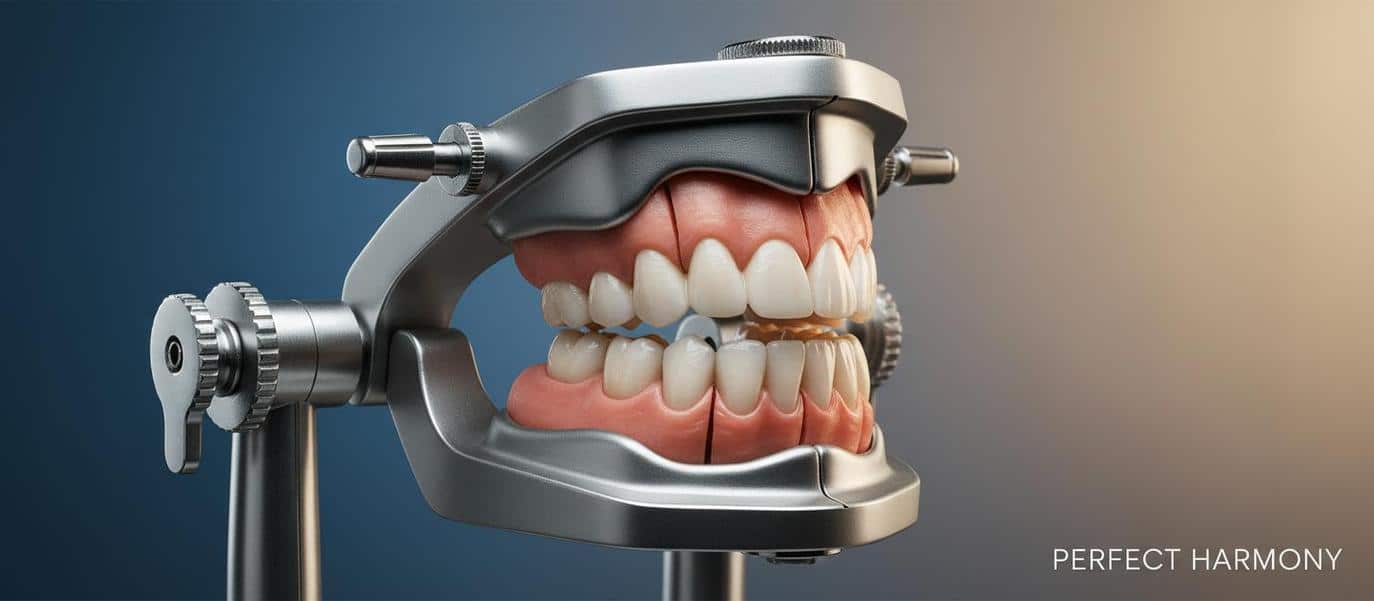
The Integration of Form and Function
The success of prosthodontic treatment depends on a precise alignment where biological utility and natural appearance coexist in harmony. Unlike treatments that focus solely on aesthetics or purely on utility, prosthodontics aims to harmonize both.
The resulting dental work must look natural while simultaneously restoring the patient’s vital oral functions. By focusing on these core pillars, prosthodontists ensure a return to normalcy:
- Efficient chewing and bite force distribution
- Clear and articulate speech patterns
- Long-term maintenance of overall oral health
This holistic approach ensures that every restoration feels as good as it looks. Achieving this balance requires meticulous planning and technical proficiency.
The Biomechanics of Functional Restorations
Functionality in prosthodontic treatments is closely tied to biomechanics. For example, when placing a dental crown or implant, the prosthodontist must consider factors such as bite pressure, jaw alignment, and the longevity of materials used. These are not merely cosmetic concerns but are central to ensuring that the restoration can withstand years of wear without compromising adjacent teeth or structures.
Achieving Natural Aesthetic Symmetry
Aesthetics, on the other hand, are approached with an understanding of facial symmetry, color matching, and individual patient preferences. A well-crafted dental prosthesis should be indistinguishable from natural teeth, contributing to a patient’s self-esteem and overall quality of life. This deep synergy between visual beauty and mechanical utility distinguishes prosthodontics as the premier path for restorative excellence.
Advanced Techniques and Technology in Modern Prosthodontics
Modern dental innovations have fundamentally reshaped the prosthodontic landscape, offering patients levels of clinical accuracy and physical comfort that were previously unreachable.
Digital dentistry has fundamentally transformed how specialists design and fabricate restorations. Modern practices now utilize a variety of high-tech tools to ensure accuracy:
- Intraoral scanners for digital impressions
- Advanced 3D imaging for structural mapping
- Computer-aided design (CAD) for virtually error-free prosthetic creation
This digital integration results in faster turnarounds, better fits, and improved patient outcomes.
The Evolution of Advanced Dental Materials
Materials science has also played a pivotal role in the evolution of prosthodontic care. High-strength ceramics, biocompatible metals, and hybrid composites have expanded treatment possibilities. These materials mimic the natural translucency of enamel while offering superior durability and resistance to wear. Their adaptability allows prosthodontists to create restorations that meet both the mechanical demands of chewing and the visual expectations of patients.
Modern prosthodontics places a strong emphasis on individualized care that addresses both form and function. This approach is particularly evident in clinics that have long prioritized precision in restorative treatments. Dental Implant Partners, a San Francisco-based dental practice, is known for applying a patient-first philosophy that blends technical excellence with clinical artistry. Those in need of advanced prosthodontic work benefit from this kind of experience-driven care, where the goal is not just to restore but to optimize the long-term success of each restoration.
The Role of Prosthodontics in Comprehensive Treatment Planning
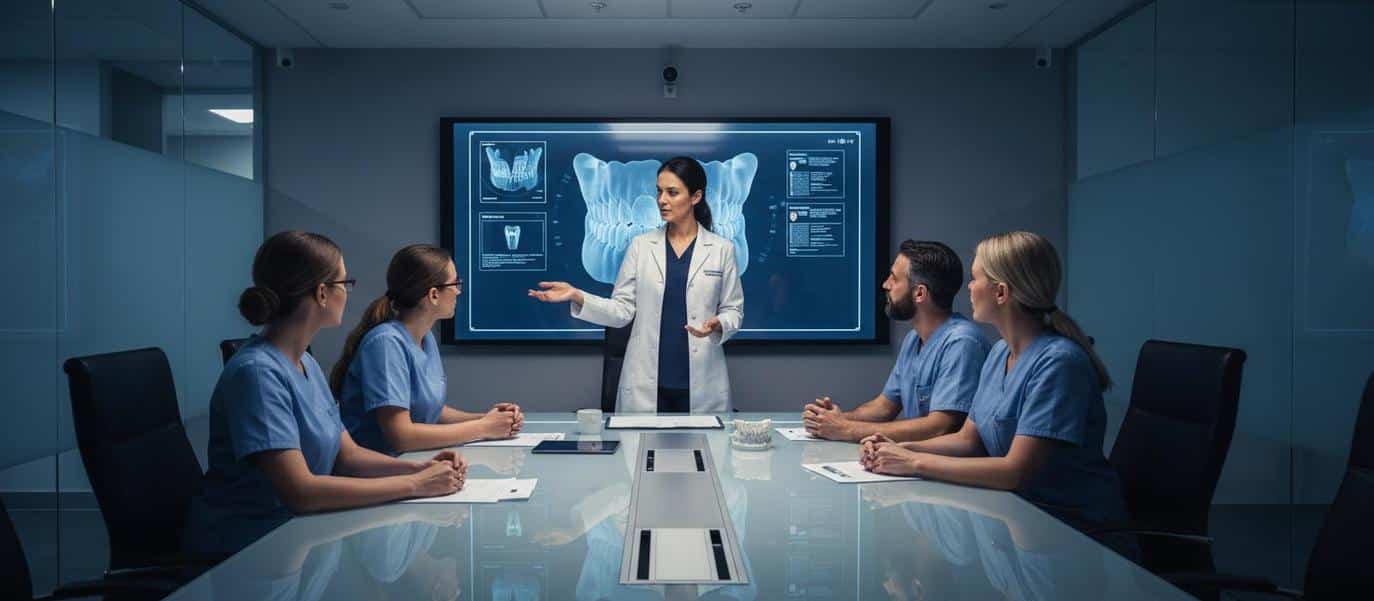
Comprehensive restoration requires a team-based strategy, with prosthodontists serving as the lead coordinators to ensure every specialist’s contribution aligns with the final vision. Complex restorative cases often require a high level of coordinated expertise. A multidisciplinary team is typically necessary to address the following challenges:
- Significant or total tooth loss
- Congenital dental anomalies
- Severe maxillofacial injuries
This collaborative effort involves prosthodontists, oral surgeons, periodontists, and general dentists working in unison to achieve the best possible result.
The Specialist as Primary Patient Advocate
Prosthodontists establish the comprehensive treatment blueprint that guides all other interventions by determining the final functional goal and engineering the process backwards. This includes selecting appropriate materials, outlining surgical steps when needed, and timing each procedure for optimal results.
Because they bridge the gap between form and function, prosthodontists also serve as the patient’s primary advocate throughout the treatment process. Their commitment to long-term outcomes ensures that all contributing specialists align their efforts with the restoration’s final vision. This collaborative approach exemplifies why prosthodontics is indispensable in restorative care.
Psychological and Quality-of-Life Benefits of Prosthodontic Treatment
The influence of specialized restoration reaches into every corner of a patient’s daily life. Those who commit to comprehensive procedures frequently experience a profound shift in their self-confidence and emotional resilience.
For many, the ability to smile without self-consciousness is a transformative experience. Similarly, being able to eat without discomfort significantly enhances both personal and professional aspects of daily life. These psychological benefits are not incidental. Studies have shown that dental appearance significantly influences first impressions and interpersonal confidence.
By restoring a patient’s dental function and appearance, prosthodontic treatment can break cycles of social withdrawal or insecurity. It opens doors that were once closed by discomfort or shame tied to oral health.
Enhancing Nutritional and Cognitive Health in Seniors
In older adults, prosthodontic care is often linked with better nutrition, reduced isolation, and even improved cognitive function due to enhanced ability to chew and engage. These improvements make prosthodontics not merely a clinical intervention but a life-enhancing therapy with far-reaching effects on overall quality of life. It affirms the holistic value of the specialty in contemporary care.
Addressing the Needs of Aging Populations
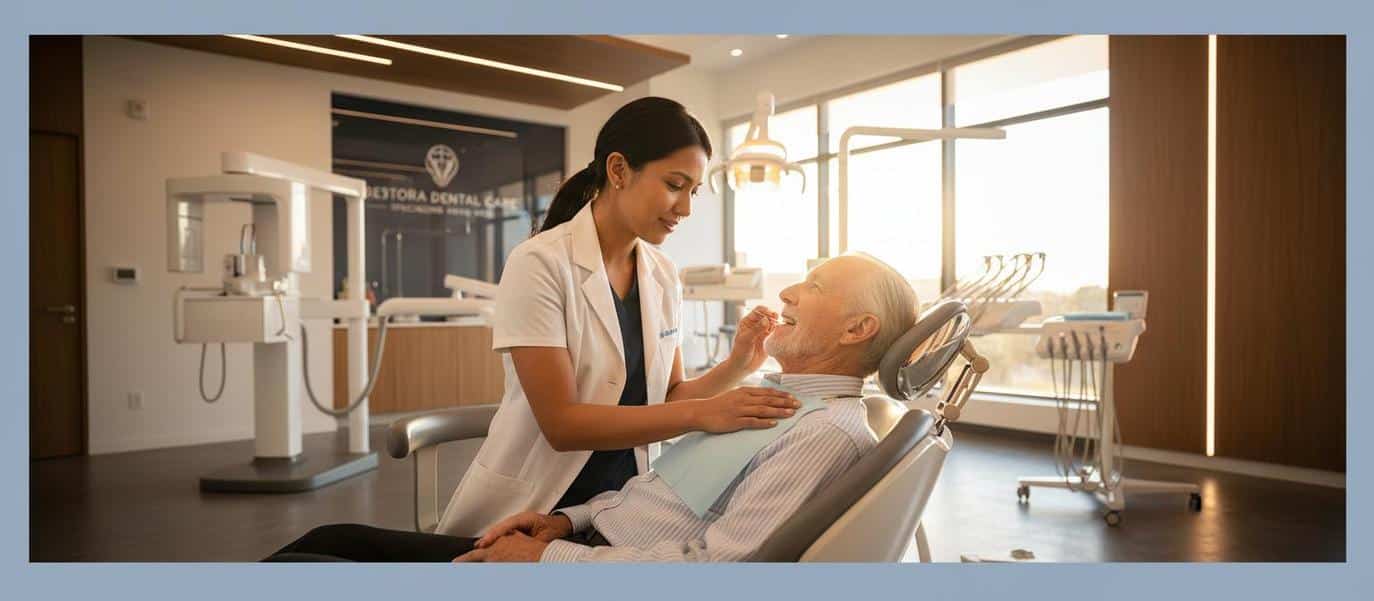
As populations age, the demand for restorative dental care continues to grow, positioning prosthodontics as increasingly vital. Tooth loss, wear, and age-related changes to bone structure make prosthodontic solutions essential for maintaining health and dignity in later life. The discipline’s expertise in comprehensive rehabilitation is particularly suited to these evolving demographic needs.
Navigating Complex Geriatric Comorbidities
Treating senior patients requires navigating a web of medical intricacies, where underlying health conditions must be carefully weighed against the desired restorative outcome. Prosthodontists are trained to navigate these intricacies, balancing medical limitations with prosthetic outcomes that preserve function and aesthetics. Their understanding of geriatric dental care allows them to create treatment strategies that are both conservative and effective.
Furthermore, prosthodontic care for seniors is tailored to accommodate diminishing bone density and changing oral health needs. Specialists often recommend a variety of restorative options:
- Traditional full or partial dentures
- Advanced implant-retained prostheses
- Innovative hybrid solutions
These customized treatments not only restore appearance but also aid in digestion, speech, and social confidence. In this way, prosthodontics becomes a key player in aging well and aging healthfully.
Long-Term Maintenance and Durability of Prosthodontic Work
The durability of prosthodontic restorations is a critical aspect of their value in restorative care. Properly executed treatments can last for decades, offering patients a financially prudent solution that minimizes the need for repeated invasive procedures through regular maintenance and diligent oral hygiene.
Follow-up care is an essential part of the prosthodontic process. Unlike one-time interventions, prosthodontic treatment often includes ongoing evaluations to monitor fit, function, and wear. Adjustments may be needed over time due to natural changes in the mouth or shifts in the patient’s bite. This proactive approach ensures that the restoration continues to perform optimally.
Building Long-Term Success through Patient Education
Prosthodontists equip patients with the specific knowledge required to maintain their restorative work. This includes detailed cleaning protocols and specific warning signs to watch for to ensure the long-term success of dental implants and crowns. This partnership between specialist and patient creates a feedback loop that supports longevity and maximizes the value of the initial treatment. It reflects the comprehensive nature of prosthodontic care, where outcomes are measured not just in months but in years.
Prosthodontics as the Foundation of Restorative Excellence
The most successful restorative dental outcomes occur when high-level clinical expertise is applied to fulfill a patient’s specific health objectives. Prosthodontics provides the framework for this success, ensuring that even the most damaged or depleted oral structures find a new lease on life. This commitment to detail transforms the daily experience of eating, speaking, and smiling from a source of stress into a foundation of personal confidence and social engagement.
Choosing specialized care means investing in a future where dental health remains consistent and reliable over the long term. The collaborative and highly technical nature of prosthodontic work guarantees that restorations are built to endure the rigors of time and function. As the field of oral rehabilitation continues to advance, prosthodontics remains the essential standard for achieving both functional vitality and enduring aesthetic beauty.
Frequently Asked Questions About Specialized Restorative Care
Why should I see a prosthodontist instead of a general dentist for restorations?
Prosthodontists undergo three additional years of specialized residency training focused on complex restorations, occlusion, and the biomechanics of prosthetic design.
How durable are modern dental restorations?
With advanced materials like high-strength ceramics and proper maintenance, prosthodontic work such as crowns and dental implants can last several decades.
Can prosthodontic care improve overall health in seniors?
Yes, by restoring the ability to chew efficiently and speak clearly, these treatments improve nutritional intake and social engagement for aging adults.
What role does technology play in prosthetic design?
Digital tools like intraoral scanners and 3D imaging allow for precise measurements, resulting in restorations that fit more comfortably and function naturally.
How does a prosthodontist coordinate complex treatments?
As the lead architect of restorative plans, they collaborate with oral surgeons and periodontists to ensure every surgical and prosthetic step of a full-mouth reconstruction aligns perfectly.

