
Welcoming a furry friend into your home can bring immense joy and companionship. However, your cute pup can quickly turn into a handful without proper training and guidance. Owning a misbehaved dog can be daunting, from incessant barking to unruly behavior. But fear not! You can transform your pup into a well-mannered companion with the right approach and consistency. This article refers to the top six tips for fostering good behavior in your beloved canine companion.
1. Seek Professional Guidance When Needed
While it’s true that most dog owners can manage basic training, certain behavioral issues may necessitate professional guidance. Consulting a certified dog trainer or behaviorist is advisable if your pup displays persistent problems like aggression, incessant barking, or anxiety. Whether you are looking for Oklahoma City dog training or elsewhere, these specialists possess the expertise to evaluate your dog’s behavior comprehensively, pinpoint any underlying triggers, and devise customized training strategies to tackle specific issues effectively.
A certified dog trainer or behaviorist will conduct a thorough assessment to understand the root cause of your dog’s behavior. For instance, aggression could stem from fear, territorial instincts, or past experiences. Excessive barking might indicate separation anxiety or a need for mental stimulation. The trainer can tailor a training plan that addresses your dog’s specific needs and challenges by identifying these underlying factors.
Moreover, professional guidance ensures that you receive expert advice on handling and modifying your dog’s behavior safely and effectively. Trainers and behaviorists often employ positive reinforcement techniques, behavior modification exercises, and environmental management strategies to promote desirable behaviors and diminish problematic ones.
Residents of the Buckeye State’s capital are often looking for professional dog training near Columbus, Ohio, to address specific behavioral challenges in a structured setting. Working with a trainer helps them build a stronger bond with their dogs while creating a more balanced home environment.

2. Start Early, Start Right
Starting early with training is like laying the foundation of a sturdy building. During puppyhood, dogs are highly receptive to learning and adapting to their environment. This is the ideal time to introduce basic commands such as “sit,” “stay,” and “come.” Use positive reinforcement like treats, praise, and affection to encourage and reward desired behaviors.
Consistency is key during these training sessions. Keep them short and focused, but conduct them regularly to reinforce the commands consistently. This repetition helps your pup understand what is expected of them and builds a strong foundation for obedience.
Starting early and instilling these fundamental behaviors will pave the way for success in your dog’s learning journey. These early lessons promote good behavior and foster a deeper bond between you and your furry companion. Moreover, they make it easier to address more complex behaviors as your dog matures.
3. Establish Clear Boundaries
Establishing clear boundaries is crucial for fostering your pup’s growth. Dogs flourish when they grasp their limitations and comprehend what behaviors are acceptable. Employ consistent cues and signals to articulate your standards effectively. For instance, if your pup is prohibited from accessing furniture, guide them to their assigned space and commend them for adhering to the rule.
Stableness in enforcing boundaries eradicates ambiguity and bolsters desirable conduct. This transparency cultivates a sense of security in your dog and elucidates its role within the family unit, culminating in a more contented and harmonious companion. Establishing and upholding clear boundaries will pave the way for your pup’s development into a well-adjusted and joyous household member.

4. Socialization Is Key
Socialization plays a pivotal role in shaping your dog’s behavior and overall well-being. Introducing them to diverse environments, individuals, and animals is paramount for their social development. This exposure aids in warding off fear-based aggression while fostering a sense of confidence and friendliness. Incorporate regular walks in different settings, consider enrolling them in puppy classes, and organize playdates with fellow canines.
Your dog learns valuable social cues through supervised interactions and establishes positive connections with unfamiliar situations. Embracing socialization enhances their social skills and contributes to a well-rounded and emotionally balanced companion. Prioritizing these experiences ensures your dog grows into a confident, friendly, and adaptable family member.
5. Exercise Mind and Body
Ensuring your dog gets both mental and physical exercise is key to fostering good behavior and overall well-being. Regular physical activity not only keeps your pup in top shape but also directs its energy toward positive activities. Integrate daily walks, engaging play sessions, and mental stimulation exercises such as puzzle toys or training drills into their routine.
Providing outlets for their energy reduces the likelihood of boredom-induced destructive behaviors and makes training sessions more impactful. A tired dog is more focused, content, and receptive to learning, enhancing their overall behavior and strengthening the bond between you. Prioritizing both mental and physical exercise promotes a healthy lifestyle and contributes to a happier and more well-adjusted companion.

6. Consistency Is Key
Consistency is the cornerstone of successful dog training, akin to laying a solid foundation for a building. It’s not just about repeating the same actions; it’s about creating a predictable environment where your pup can thrive. Imagine if one family member allows the dog on the couch while another prohibits it—this mixed message confuses your pup and makes it harder for them to understand boundaries.
When everyone in the household is consistent with commands, gestures, and rules, your dog learns faster and more clearly. They start associating certain actions with specific outcomes, making training sessions more effective. This consistency also extends to routines like feeding times, walks, and play sessions, creating a sense of security and stability for your furry friend.
Moreover, consistently reinforcing desired behaviors strengthens the bond between you and your dog. Positive reinforcement, such as treats or praise, when your dog obeys commands or exhibits good behavior, encourages it to repeat those actions. It also fosters trust and confidence, as your dog understands that following the rules leads to positive outcomes.
Inconsistency, on the other hand, can frustrate both you and your dog. Mixed signals make it challenging for them to grasp what’s expected, resulting in slower progress and potential behavioral issues. By maintaining consistency in training methods and household rules, you create a harmonious environment where everyone—humans and pets alike—can thrive and enjoy each other’s company.
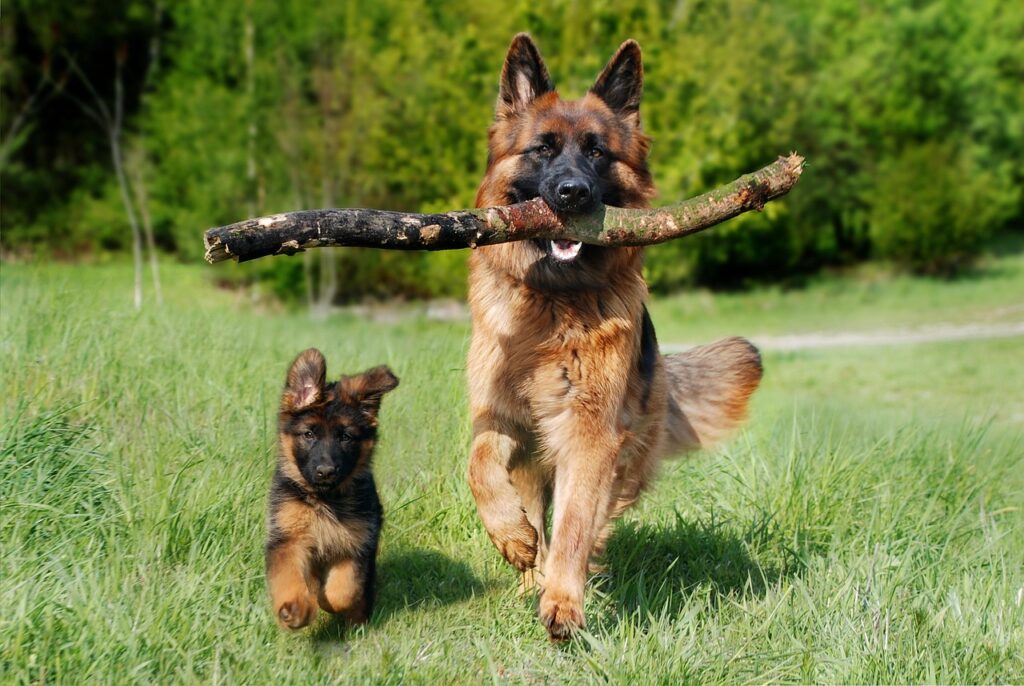
Master Your Pup’s Manners: Patience and Dedication
Mastering your pup’s manners is a rewarding journey that requires patience, dedication, and consistent effort. You can nurture a well-behaved and happy canine companion by starting early, setting clear boundaries, prioritizing socialization and exercise, maintaining consistency, and seeking professional guidance when needed. Every dog is unique, so adapt these tips to suit your pup’s personality and needs. For instance, high-drive breeds like the German Shepherd Pitbull mix require especially consistent training and early socialization to thrive. You’ll enjoy a harmonious relationship with your furry friend for years with love, patience, and positive reinforcement.


