
The masterminds behind the Ustinov Hoffmann Construction System (UHCS) – a modular construction system that uses recycled plastic waste – had one goal in mind: to create a sustainable, ecological, and cost-efficient housing unit that could be put up all over the world easily.
UHCS is designed to be scalable and universal. The constructions adhere to the most exacting ISO and SIA standards. Furthermore, the system can be franchised and produced on an industrial scale.
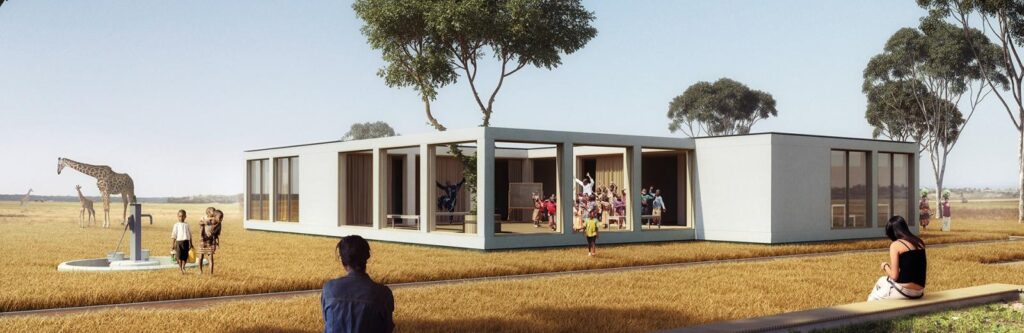
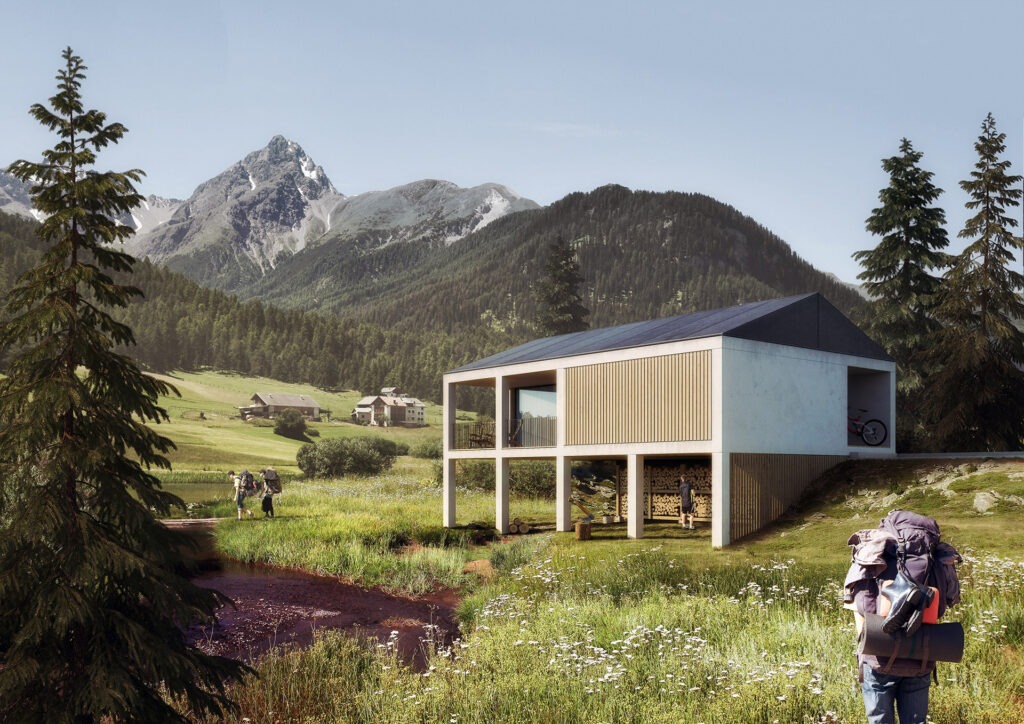
One house saves 230 m3 of landfill space (355’000 PET bottles), 7.7 tons of aggregates from having to be used, and spares 81% of CO2 emissions from being released into the atmosphere. Also, it’s 12% cheaper than a 40m2 modular house made of concrete.
Igor Ustinov, co-founder and Inventor of UHCS, said:
UHCS is the solution to provide quality housing without impacting nature, by encouraging a virtues circular economy by reusing and upcycling Plastics as a valuable resource to fulfill human needs.
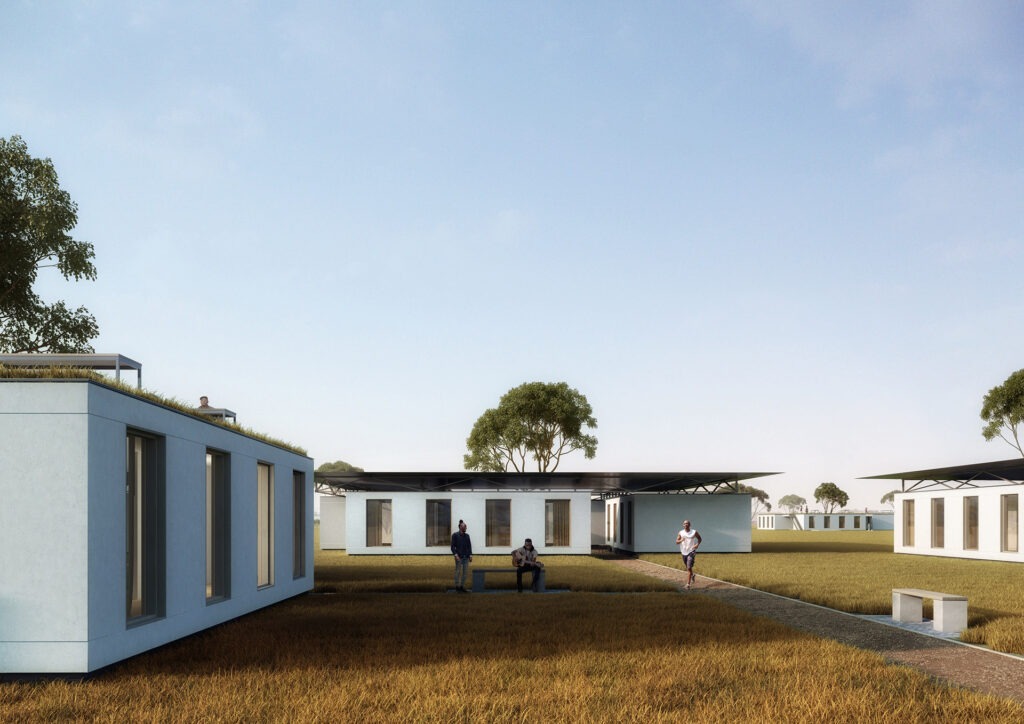
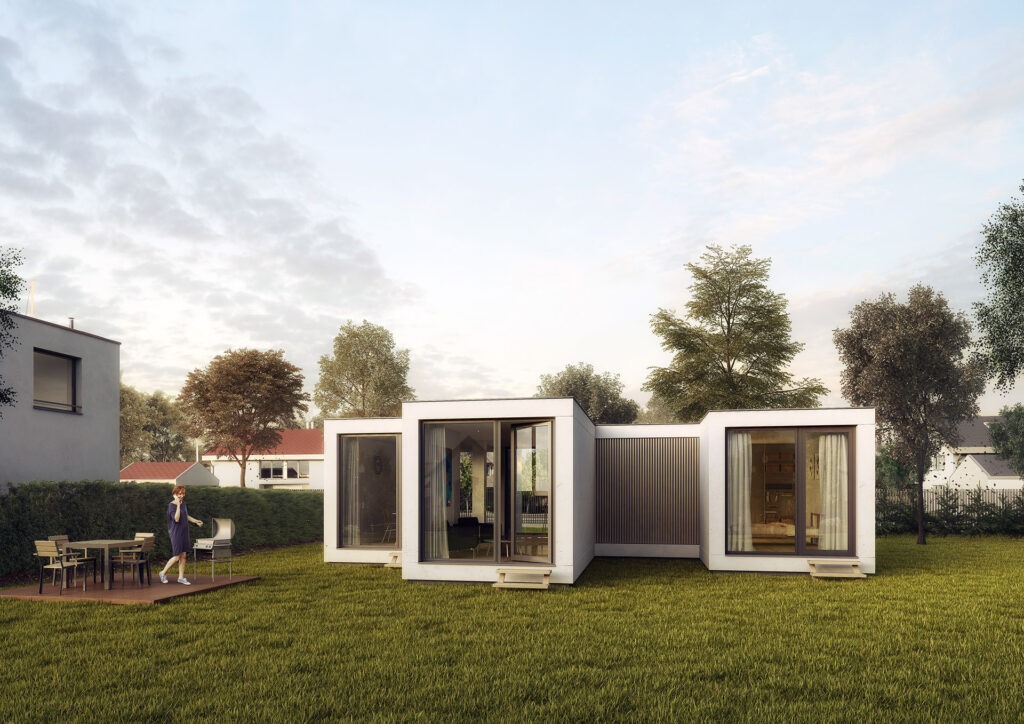
As we strive to move towards a more efficient and sustainable future, recycled waste will become an essential source of raw materials. UHCS is an approach to upcycle PET and a solution to making the construction industry more sustainable.
Ustinov said:
The UHCS design is cost-efficient to produce, but is mostly the result of high construction performances, modularity, scalable to produce, and easy to transport and implement on a construction site. UHCS has triggered a lot of interest, we have numerous proposals and demands, in several regions and countries, from building hotels, schools, villages, warehouses, private homes, public infrastructure, even a water factory… We will be happy to serve all these purposes soon.
The UHCS system consists of profiles (structural pieces) made of upcycled PET. The shapes fit together like Legos to form a cubic post-and-beam structure with load-bearing walls. The provided elements are only structural. The rest of the house can be made of whatever the builder chooses. Such flexibility allows the system to be adaptable to different cultural contexts and architectural traditions.
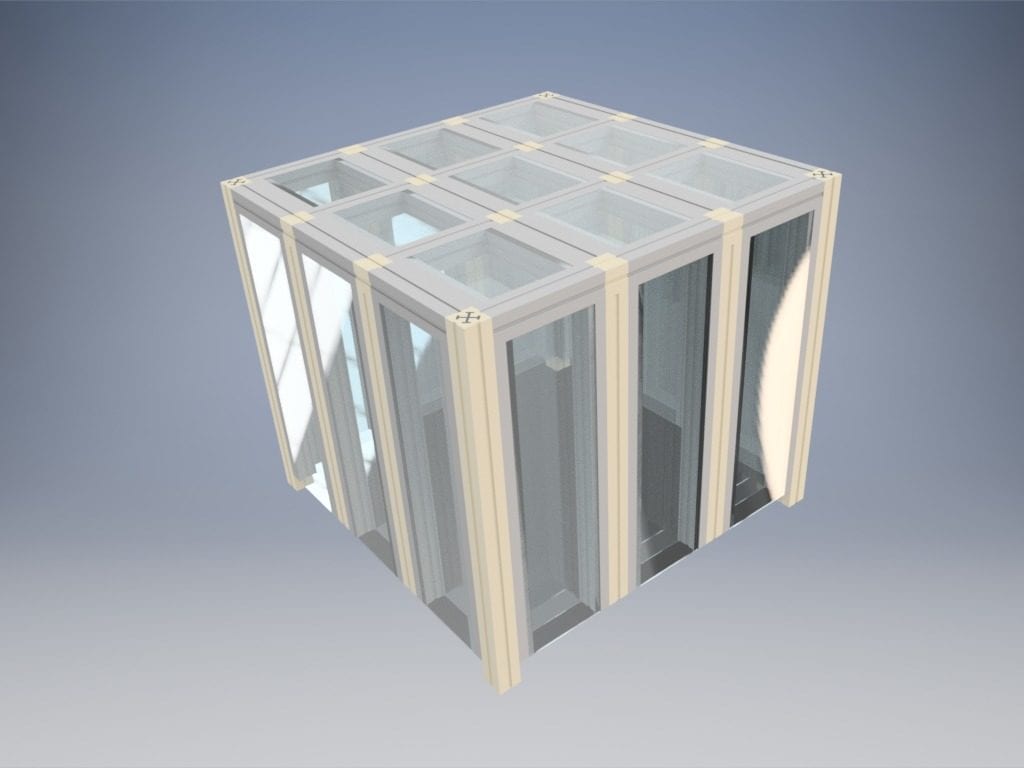
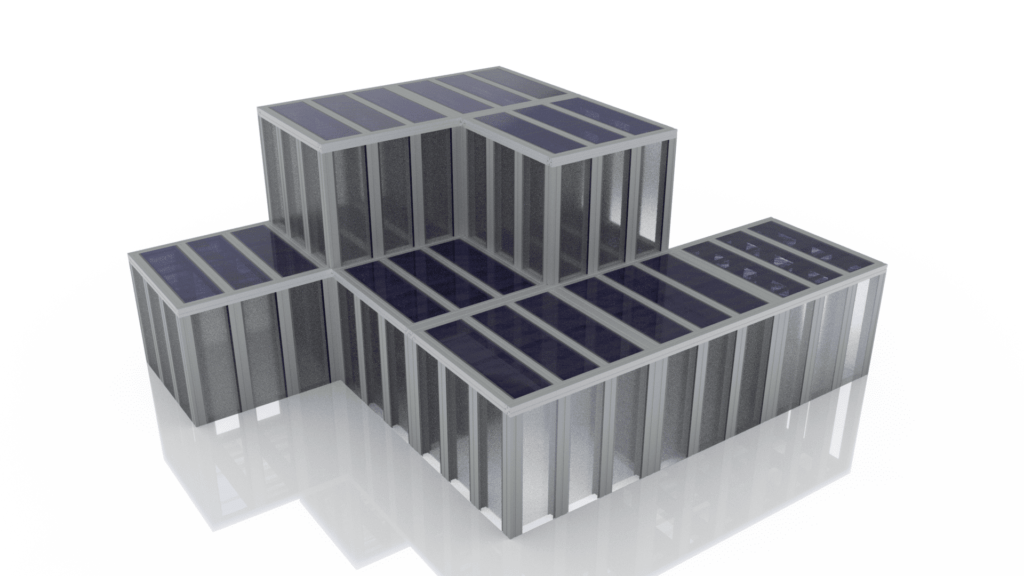
The system is straightforward and facilitates high-quality construction that is part of a circular economy. When the house has reached the end of its lifecycle – which should be at least 80 years – the components can be recycled. UHCS transforms waste PET, gives the material a second life, and makes it reusable.
Ustinov said:
The ambition of UHCS is to franchise its Swiss quality Construction system around the world thus to encourage locally circular economy of wastes to contain pollution and protect natural resources from exhaustion while providing quality housing for all; but to do so we must first demonstrate, therefore we are preparing the UHCS pilot house.
The demonstration house will be built next year in Switzerland, and then others will follow in different places around the world.
The UHCS system made its grand debut at the International Inventions Show in Geneva in 2017, winning the International Federation of Inventors’ Associations’ IFIA Prize. The company has since won more awards, and its product is now ready for the market launch. Once the pilot houses show-off how great the system works, we’ll likely be seeing UHCS homes popping up all over the world.


