
Plastic! That’s right, the worst name on the high street.
We have all heard about the negatives of plastic packaging, litter, supermarket bags, etc., etc. David Attenborough (Blue Planet & Planet Earth) launched the troublesome use of plastic into the stratosphere. Today, we sit with Covid-19 on all of our doorsteps, but we know that plastic reduction will be around for the foreseeable future.
Taking a break from the negativity that surrounds us, we wanted to cover the positives affiliated with plastic reduction. Specifically, there is an indirect and much easier way to deal with plastics. The first derives from how we tackle the issue from what materials we use. This is common and receives huge coverage. However, the second – and what we want to look at – surrounds how we “use” plastic to create new, improving products. Therefore, we found new sub-industries and beautiful products that focus on this process.
Once the consumer sees the beautifully designed items that come from plastic use (i.e., second-use products), the stigma may finally fall away.
Durable Athleisurewear
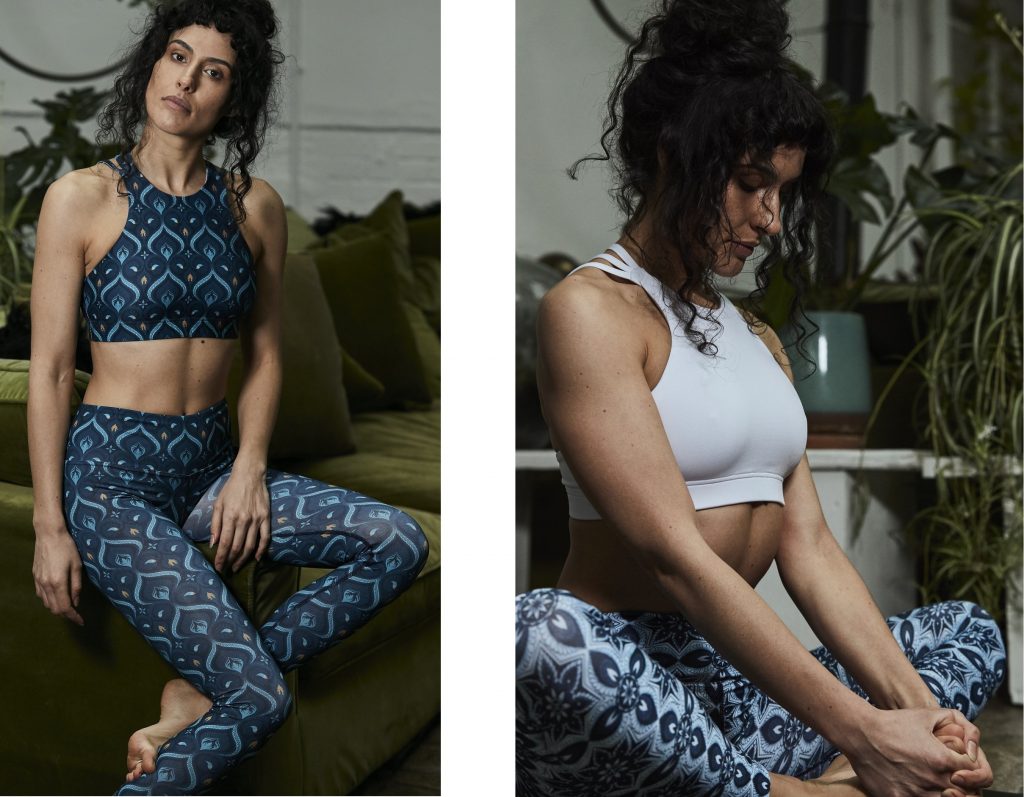
What if we turned plastic bottles into high-end yoga wear? Well, that’s being done as we speak!
At the heart of mindfulness, yoga, and “calm” is what surrounds us. The compassion for us, those close to us, and the planet go hand in hand. That’s why we were fascinated to see a designer who uses REPREVE® (more information). In simple terms, this provides a solution to looking at collecting plastic bottles, offers complete transparency throughout the production process, and turns it into a fantastic recycled polyester.
You get a feel (no pun intended) for the high-quality fabric and design. The result has led to a high-end yoga range that rivals the high street. Now you get to look, feel, and shop great. The fibre material is taken to be woven at the mill and turned into this amazing fabric. And over 20 billion bottles have gone through this process, and that number is still growing.
Beautiful Swimwear
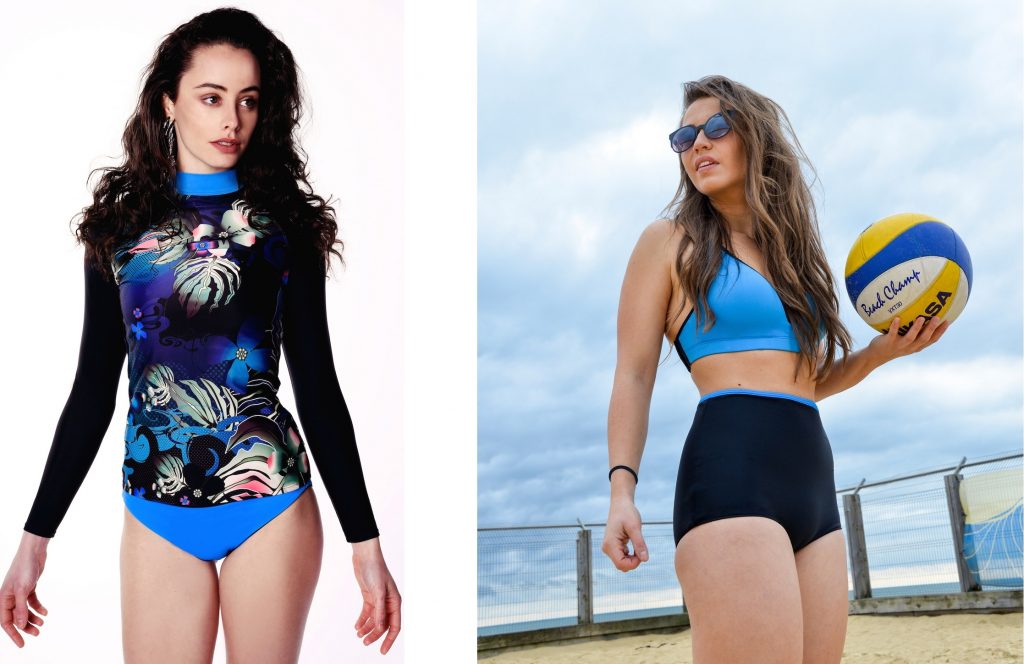
What about high-end swimwear? A range that looks as great as the materials that go into it.
For those versed in sustainable materials, the name ECONYL® will ring a bell. Again, to simplify the process (more info), the purpose is to source industrial plastics from landfills (and the oceans) to create a durable second-use material.
The striking design is accompanied by the mission of female empowerment. Specifically, we were keen to showcase not only the product but also provide a unique twist to the garment. In summary, the range can turn into gym wear for multipurpose use. That’s right, it’s a swim/gym crossover, which we thought was an excellent idea. By aiming to reduce plastics (that would have inevitably landed in the food chain), the designer boasts 42% fewer emissions relative to other swimwear items on the high street.
The Pioneer

For those who have not been living under a rock… I’m sure you know the designer above.
Specifically, we wanted to take time to highlight how recycled polyester – which they confirmed as vital for durability – is partly sourced from used soda/pop bottles. This is one of the pioneer brands turning unusable manufacturing waste products into a high-end (and very popular) fashionable piece. Interestingly, with the resources they have behind them, they uncovered that the quality and durability performed better than (virgin) polyester.
The product range is outstanding and made a lot better by the designer’s honesty, staff culture, and social initiatives. They are largely covered in the media for their environmental efforts and circulatory. Whilst we didn’t spend too much time covering them, we, of course, wanted to say, thank you for your honesty and efforts. In fact, since 1993 – a long time before “plastics” became a dirty word – they were successfully sourcing material bottles.
Striking Fashion Designs

What about high-end fashion dresses? Specifically, those that compete with high fashion.
A perfectly admirable effort is to use recycled plastics (i.e., polyesters). And, we found a process that spends a significant chunk of time promoting plastic reduction (and second use). By incorporating recycled polyesters along with other suitable, durable fabrics (e.g., organic cotton), it is a hugely beneficial alternative to fast fashion!
The reason why this stood out is not just the stunning style, colour, and quality. We looked deeper and discovered that the designer does not prioritise fashion “seasons”, but trending causes. The plastic from the ocean – and how we use it – became one of those initiatives. An entire range (akin to a seasonal range) brilliantly promotes the issues we face with plastics. Specifically, ocean plastic. And, reducing plastic and using it wisely is included in the print.
Unique Children’s Designs
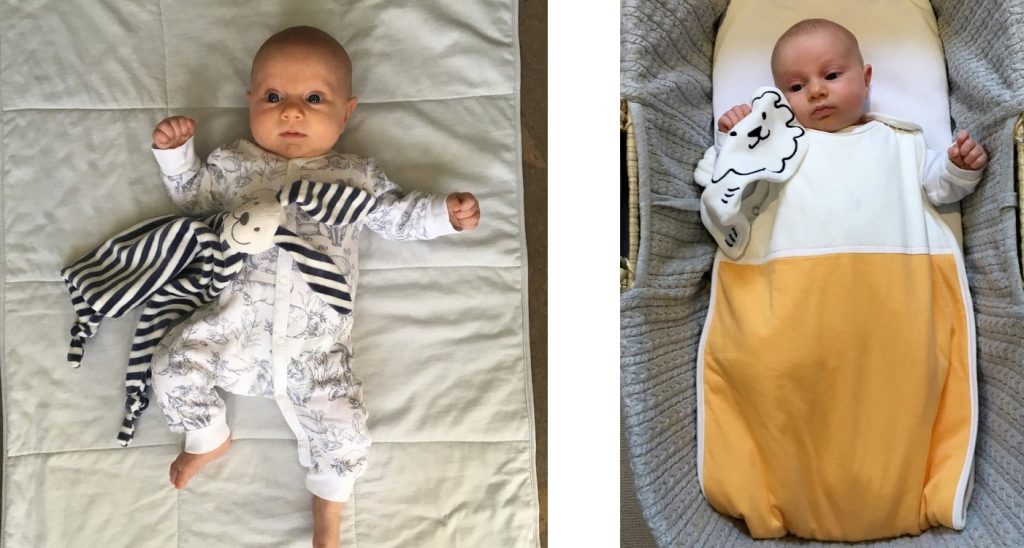
What about our youngest and brightest? We were surprised by the impact on young babies.
Keeping with the theme of opting to use recycled plastics where possible, we found an entry that faces the trade-off of transporting larger items that need plastic zips for delivery purposes. Therefore, where plastic has to be used, they focus on PET “recyclable” plastic. We see this as a great commitment and one to be applauded. Especially when it is clear throughout the remainder of the materials process that the designer has made significant progress in the world of baby products that puts others to shame.
We wanted to conclude our list by showing how far the “second use” of plastic has come. Eclectic, soft, beautifully curated baby clothing (and other items) was always waiting for sustainable innovation. Through the designer’s own allergies and health troubles, they turned all attention to one of the harder-hit areas, baby and infant wear. It is great to behold from both the parent’s and child’s perspectives, only leaving us to comment on how cool they look!
Always ask for more information when buying the product. We believe that change is gradual, but it is moving in the right direction. So, if you see a designer making a positive change, feel free to offer your feedback. But, please give them time to reconfigure how they design items, as we are all in this
together.


