
The human body operates like a finely tuned orchestra, where hormones serve as the invisible conductors directing every metabolic beat. When these chemical messengers fall out of sync, the resulting discord can manifest as persistent fatigue, unexplained weight shifts, and a clouded mental state that disrupts your daily rhythm.
Reclaiming your vitality often begins not in a pharmacy, but in the kitchen, where the nutrients you choose provide the raw materials necessary for endocrine restoration. By focusing on specific dietary pillars, you can influence how your glands communicate and respond to stress.
Integrating healthy fats, lean proteins, and fibrous greens creates a stabilizing effect on insulin and cortisol, allowing your biological systems to return to a state of equilibrium. Navigating the connection between your plate and your pulse is the first step toward a more energized and balanced life.

The Biological Impact of Dietary Choices on Hormonal Regulation
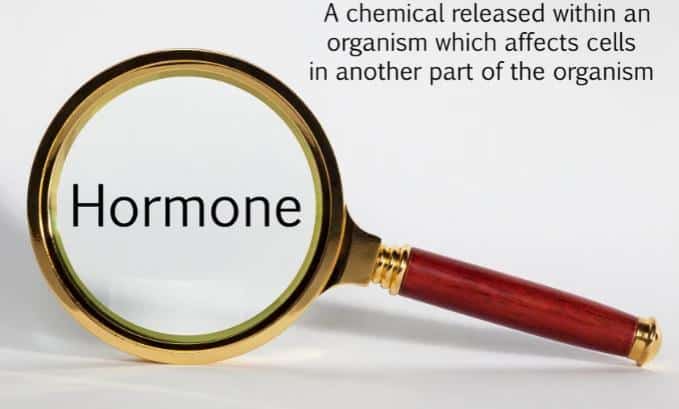
Your body relies on hormones to orchestrate its most vital biological functions. These chemical messengers, secreted by the endocrine glands, govern everything from metabolic rate and physical growth to emotional stability and reproductive health. Insulin controls the level of sugar in the blood, while thyroid hormones affect energy and metabolism levels.
Some consequences of hormonal imbalances include fatigue, changes in weight, and mental health challenges, including chronic illnesses like diabetes and hypothyroidism. Gaining insight into the link between nutrition and endocrine function empowers you to select dietary and fitness habits that foster sustainable health.
A balanced diet acts as the cornerstone of endocrine health by providing the specific micronutrients your glands require to function. Consuming a variety of whole foods ensures that your body has a steady supply of the building blocks needed for chemical synthesis.
Focus on these essential food groups to support your system:
- Fibrous fruits and seasonal vegetables
- Nutrient-dense whole grains
- High-quality lean proteins
- Heart-healthy fats and oils
Integrating these diverse sources helps maintain steady energy levels and prevents the metabolic dips often associated with poor nutrition.
- Integrating salmon and walnuts into your meals provides a potent dose of omega-3 fatty acids, which actively soothe the internal inflammation often at the root of hormonal disruptions.
- Fiber, present in legumes and leafy greens, helps detoxify hormones and stabilize the body.
- Refined carbohydrates and processed sugars raise insulin levels, which leads to hormonal imbalance, and should be avoided.
Core Functions of the Endocrine System and the Importance of Equilibrium
Your endocrine system utilizes a complex array of chemical messengers to manage your internal state. While each hormone has a unique function, they work in tandem to maintain your biological equilibrium.
Primary hormones that frequently fall out of balance include:
- Insulin (Blood sugar regulation)
- Cortisol (Stress response)
- Serotonin (Mood and sleep)
- Estrogen and Testosterone (Reproductive health)
Hormonal shifts can derail your immediate vitality—triggering mood swings, irregular cycles, and chronic exhaustion—while simultaneously compromising your long-term physiological resilience. Understanding the impact of enclomiphene vs trt is important, since treatments to control hormones may influence physiological operations.
These vitamins and minerals, which control hormones, are found in leafy greens, salmon, whole grains, and nuts. Additionally, reducing the intake of processed foods and sugar may enhance hormonal balance and wellness. To prevent the consequences of these imbalances, it is necessary to identify them early.
Identifying Clinical Indicators and Physical Symptoms of Hormonal Shifts
Visible physical changes often serve as the primary evidence that your hormones, the master regulators of metabolism, have drifted out of alignment. These signals serve as early warnings that your internal chemistry requires adjustment.
Common physical indicators of a hormonal shift include:
- Unexplained weight gain despite active exercise
- Chronic fatigue that persists after full rest
- Sudden skin changes such as adult acne or excessive dryness
Take action when these signals appear; doing so enables you to apply nutritional corrections that safeguard your system against escalating health complications. Early identification of these symptoms facilitates the correction of underlying issues and restores natural hormonal harmony.
Understanding Cognitive and Emotional Disruptions
The synergy between neurotransmitters and chemical signaling dictates your daily focus and emotional outlook. When this gut-hormone axis is disrupted, you may encounter specific mental health obstacles, such as:
- Rapid mood fluctuations and irritability
- Persistent feelings of restlessness or anxiety
- Cognitive ‘brain fog’ and memory lapses
Restoring chemical balance through nutrition can significantly sharpen your mental edge and stabilize your emotional baseline. The effects of hormonal imbalance differ with age.
- Imbalances between testosterone and estrogens at puberty cause acne, emotional swings, and rapid physical growth.
- Pregnancy, stress, and polycystic ovarian syndrome (PCOS) cause irregular periods, weight gain, and exhaustion in adults.
- Menopause is characterized by low estrogen levels, hot flashes, sleeplessness, and mood swings.
The Intricate Relationship Between Nutritional Intake and Hormone Synthesis
Hormones require healthy lipids, proteins, and complex carbohydrates. Amino acids from high-quality proteins act as the raw building blocks for hormone production, whereas the healthy lipids found in seafood and seeds ensure your cellular communication channels remain open. Because insulin spikes due to inconsistent glucose levels interfere with hormonal balance, blood sugar regulation is essential. Proper nutrition helps maintain insulin levels and promote hormonal harmony.
An overactive immune system often triggers inflammatory responses that directly interfere with the thyroid, adrenals, and pancreas. This systemic inflammation significantly reduces insulin sensitivity over time. Eventually, these conditions can progress into insulin resistance or the development of type 2 diabetes. Protect your endocrine health by prioritizing anti-inflammatory whole foods—such as vibrant produce, seeds, and oily fish—over the inflammatory triggers found in high-sugar diets.

Essential Nutrient Pillars for Supporting Natural Endocrine Balance
Proteins serve as the fundamental architecture for hormone synthesis, providing the amino acids your body cannot produce on its own. Ensuring adequate protein intake is vital for maintaining steady insulin and thyroid levels.
High-quality protein sources to include in your diet:
- Organic lean meats and poultry
- Fresh eggs and wild-caught fish
- Plant-based lentils and chickpeas
- Nutrient-rich quinoa and seeds
Balanced protein consumption throughout the day helps stabilize blood sugar and supports consistent hormone production.
Utilizing Healthy Lipids for Cellular Signaling
Healthy fats—found in avocados, seeds, olive oil, and fatty fish like salmon—provide the structural building blocks for hormone production. Omega-3 fatty acids inhibit inflammation and enhance the functionality of cell membranes, which is critical for hormonal signaling. Metabolism can be further supported with coconut oil and other foods containing MCTs. These specific fats aid adrenal and thyroid activity, providing a direct energy source for your metabolic processes.
The Role of Complex Carbohydrates and Fiber in Detoxification
Complex carbohydrates such as whole grains, legumes, and starchy vegetables provide sustained energy by slowly releasing glucose into the blood. Fiber assists the digestive system in clearing surplus hormones like estrogen; thus, fruits, vegetables, nuts, and seeds are good for hormone health. Fiber regulates blood sugar, supporting insulin and cortisol function.
Primary Dietary Triggers That Disrupt Insulin and Hormonal Stability
Carbohydrates and sugar in large quantities may result in blood sugar spikes, elevating insulin levels. Long-term surges may cause insulin resistance along with changes in cortisol and reproductive hormones like estrogen and testosterone. Inflammation is also triggered by diets high in sugar and refined carbohydrates, which aggravate hormonal abnormalities. Rather than consuming sugary desserts, white bread, or pastries, consume whole, unprocessed foods that provide continuous energy and help the body maintain natural rhythms.
Minimizing Exposure to Ultra-Processed Additives and Toxins
Ultra-processed meals are often laden with substances that actively disrupt your natural chemical rhythms. Avoiding these inflammatory triggers is essential for maintaining a clean endocrine environment.
Common endocrine disruptors found in processed foods include:
- Artificial additives and synthetic preservatives
- Inflammatory trans fats and refined oils
- Excessive hidden sugars and corn syrups
- Environmental toxins like BPA and phthalates found in packaging
Choosing fresh, whole ingredients reduces your toxic load and allows your glands to function without external interference.
Managing Stimulants and Depressants During Hormonal Transitions
Alcohol strains the liver’s ability to process and clear hormones, often sparking systemic imbalances. Similarly, relying on excessive caffeine can overstimulate the adrenals, sending cortisol levels soaring and indirectly disrupting your thyroid and insulin response. Alcohol and caffeine should be restricted, particularly during hormonal transitions. Hormonal balance can be aided by non-alcoholic drinks and herbal teas.

Mastering Your Internal Chemistry Through Nutrition
Sustaining hormonal health is a rhythmic practice rather than a one-time fix. Prioritizing nutrient-dense whole foods over processed alternatives ensures your endocrine system receives the structural support it needs to regulate mood, energy, and metabolism. While the complexity of biological signaling might seem overwhelming, the solution is found in the consistent application of foundational dietary principles. Small, intentional shifts—like swapping refined sugars for complex carbohydrates—yield significant long-term dividends for your physiological longevity.
Investing in your hormonal well-being transforms your quality of life from the inside out. Beyond mere symptom management, a hormone-supportive lifestyle strengthens your cognitive clarity, stabilizes your emotional baseline, and protects against chronic metabolic challenges. As you refine your food choices to align with your body’s chemical needs, you empower yourself to live with a sense of renewed vigor and resilience.
Common Questions Regarding Diet and Hormones
What Are the Best Foods for Quick Hormone Balance?
Focus on healthy fats like avocados, omega-3-rich salmon, and cruciferous vegetables like broccoli, which assist the liver in detoxifying excess estrogen.
How Long Does It Take for Diet to Affect Hormones?
Most individuals notice improvements in energy and mood within two to four weeks of consistent dietary changes, though deeper metabolic shifts can take several months.
Can Drinking Coffee Impact My Cortisol Levels?
Yes, excessive caffeine intake can overstimulate the adrenal glands, leading to elevated cortisol levels that may disrupt sleep and insulin sensitivity.
Why is Fiber Important for Hormonal Health?
Fiber binds to used hormones in the digestive tract, ensuring they are excreted from the body rather than reabsorbed into the bloodstream.
Does Sugar Cause Immediate Hormonal Imbalance?
Refined sugar causes rapid insulin spikes, which can trigger a cascade of inflammation and eventually lead to systemic imbalances in reproductive and stress hormones.

