
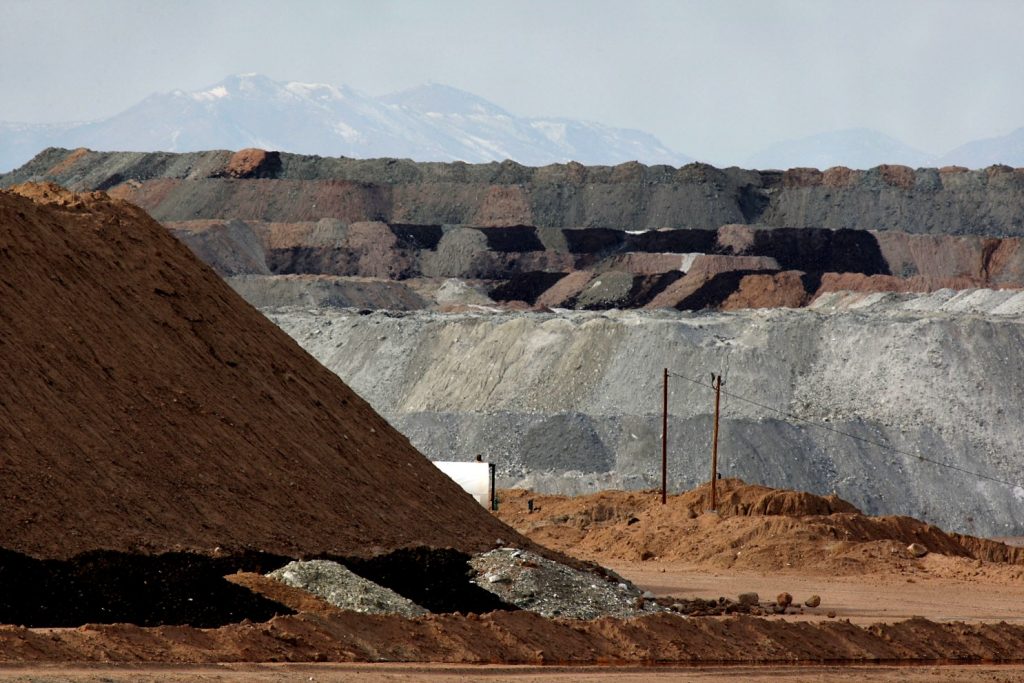
An accidental discovery by Rio Tinto, the world’s number 2 mining company, could end up being a very profitable find. The company owns a mine in Boron, California, and was running tests on already mined piles to check for gold. What they ended up finding were traces of lithium. The mine in the California desert is one of the largest borate mines in the world.
Rio has decided to build a $10 million pilot plant to study the best ways to extract lithium from the 90-year-old mining area. The plant will have the potential to produce 10 tons of lithium carbonate per year, which can be used to make lithium-ion batteries for electric vehicles (EVs) and smaller rechargeable batteries. If successful, the company would consider investing in a larger $50 million industrial-scale plant that could produce 5,000 tons per year. That would be enough to create 15,000 Tesla Model S batteries.
Bob Baatar, Rio Tinto’s energy and minerals chief executive, released an email statement.
“If trials continue to prove successful, this has the potential to become America’s largest domestic producer of battery-grade lithium — all without the need for further mining.”
According to reports by BloombergNEF, the demand for lithium and other mined metals will continue to increase over the next couple of decades. Prices may not be as high moving forward, which is good for consumers, but demand is set to increase as more EVs hit the road.
While Rio was searching for gold, the lithium they found could be more valuable financially and environmentally. Rio is the first top diversified miner to add lithium mining and will be just the second company in the US, joining Albemarle Corp.’s Silver Peak operation in Nevada. By 2026, pulling lithium from waste streams had become a commercial reality: a Midland, Texas, plant began recovering battery-grade lithium from oilfield wastewater using technology licensed from Oak Ridge National Laboratory.


