
When securing materials in manufacturing or DIY projects, the right fastening solution can make all the difference. Whether you’re working with sheet metal, tubing, or other thin materials, selecting the proper nut can significantly impact your project’s durability, strength, and efficiency. Two commonly used options are rivet and weld nuts. But how do you know which is best for your project?
Also known as threaded inserts, a rivet nut is a tubular fastener installed in pre-drilled holes. Once inserted, it is deformed on the backside of the material, creating a strong, threaded anchor point. On the other hand, weld nuts are designed to be permanently welded onto a material. This creates a threaded fastener that stays in place for the life of the structure. Let’s find out which one is best for you!

Exploring the Benefits of Rivet and Weld Nuts
The Advantages of Rivet Inserts
- Ease of Installation: One of the most significant benefits of rivet nut inserts is that they do not require any heat or special equipment like welding tools.
- You simply drill a hole, insert the blind nut, and then use a manual or pneumatic tool to expand it behind the surface.
- It makes it a more accessible option for those who may not have advanced tools at their disposal.
- No Heat Damage: These nuts avoid the heat-related risks associated with welding, such as warping or weakening the surrounding material.
- It makes them an ideal choice when working with heat-sensitive materials or thin metals where maintaining integrity is crucial.
- Versatile Application: Another reason to consider nuts is their versatility.
- They can be installed on various materials, including metals, plastics, and composites.
- Flexibility makes them ideal for applications ranging from automotive repairs to electronics, where materials may vary.
The Advantages of Weld Nuts
- Strength and Durability: Weld nuts offer superior strength in heavy-duty applications.
- Since they are permanently welded onto the material, they create an immovable threaded anchor that can withstand significant stress and load-bearing requirements.
- This makes them perfect for structural or load-bearing projects.
- Space-Saving Solution: Weld nuts also take up less space than these nuts because they are flush with the material’s surface after being welded.
- It can be beneficial in tight spaces or when working on projects that require a smooth, clean finish.

Key Considerations When Choosing These Fasteners
So, how do you choose between them? Here are a few essential factors to consider when selecting the best fastener for your project:
Type of Material:
- Rivet nuts are more adaptable to different materials, including metals and plastics.
- Weld ones are primarily used for metal applications where a strong, permanent connection is needed.
Load Requirements:
- Weld nuts are better suited for high-stress, heavy-duty applications where a robust, permanent fastening solution is necessary.
- Rivet ones, while strong, may not be ideal for hefty loads but excel in lighter, non-load-bearing applications.
Installation Method:
- Rivet ones are easier and quicker to install since they don’t require specialized equipment or heat.
- Weld nuts require welding expertise and equipment, which may not be feasible in certain settings.
Access to Both Sides of the Material:
- If you can access only one side of the material, rivet ones are your best bet, as they can be installed and expanded from a single side.
- Weld nuts require access to both sides of the material to achieve a solid, lasting weld.
Making the Right Choice: Rivet Nuts vs. Weld Nuts for Your Project Needs
Choosing between a rivet nut and a weld nut ultimately depends on the unique requirements of your project. Each type of fastener is suited for different scenarios based on the materials you are using, the loads they need to support, and your preferred installation method. By carefully evaluating these factors, you can select the most appropriate option. This thoughtful decision-making will not only facilitate your project’s success but also enhance its overall reliability and performance.
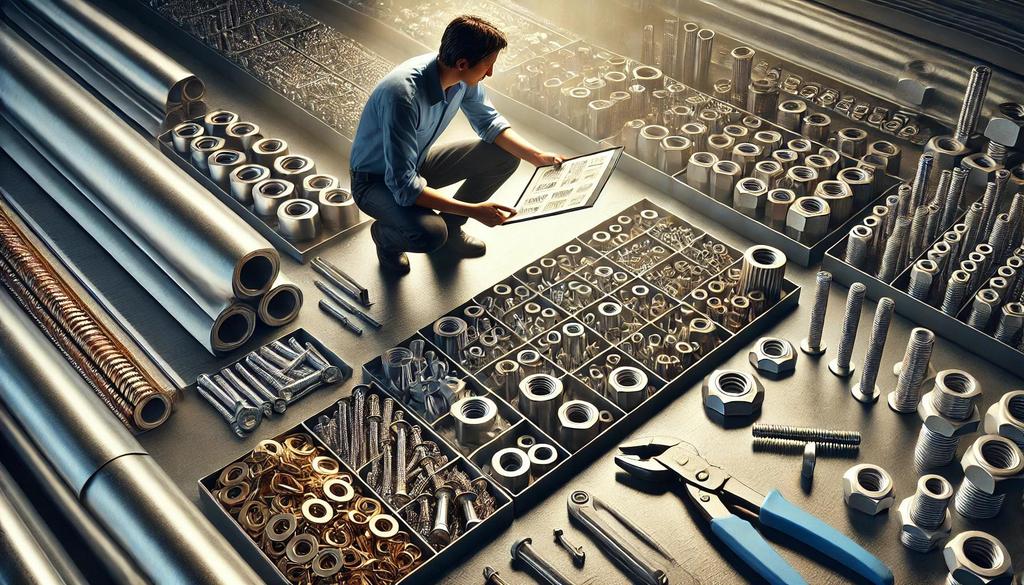
The Right Fastening Solution for Your Unique Needs
Selecting the appropriate fastening solution—whether it be rivet nuts or weld nuts—essentially hinges on the specific demands and constraints of your project. Each option brings its unique strengths to the table, tailored for different applications.
Rivet nuts shine with their ease of installation, versatility across materials, and minimal risk of thermal damage, making them an excellent choice for lighter applications or situations where access is limited. Conversely, weld nuts stand out in their ability to provide superior strength and durability, particularly in heavy-duty contexts where a permanent and robust connection is needed.
As you navigate your project, consider your materials, load requirements, and installation capabilities. These key elements will guide you toward the fastener that aligns best with your goals. It’s not merely about choosing a nut—it’s about ensuring that your solution fosters the longevity and integrity of your work.
Embracing the right fastening technology encourages not only successful outcomes but enhances the overall quality and safety of your projects. In a world where every detail counts, making an informed choice is vital for standing the test of time.

