
Living with persistent lumbar or pelvic discomfort often feels like an uphill battle against one’s own body. Simple movements, such as bending to reach a shelf or sitting through a family dinner, become sources of anxiety rather than routine actions. When traditional rest and physical therapy fail to provide adequate relief, many individuals find themselves at a crossroads, exploring interventional pain management options to reclaim their quality of life.
Navigating the medical landscape of spinal treatments requires a clear understanding of how different injections target specific anatomical structures. Two of the most frequently recommended procedures—sacroiliac joint injections and epidural steroid injections—are often discussed interchangeably, yet they serve remarkably different purposes. Distinguishing between these therapies is not just a matter of clinical curiosity; it is a fundamental step in ensuring the treatment aligns with the actual source of the pain.
The following exploration clarifies the mechanical differences, clinical indications, and expected outcomes for both sacroiliac and epidural therapies. By examining where the medication is delivered and how it interacts with the nervous and skeletal systems, patients can approach their healthcare providers with greater confidence. For a detailed comparison of sacroiliac joint injection vs epidural injection, the following sections provide the necessary clarity to guide your recovery journey.

Clinical Anatomy and Purpose of Sacroiliac Joint Injections
Anatomically, the sacroiliac joint serves as the critical junction where the lower spine connects with the pelvis. Sharp or aching sensations in this pivotal region often stem from sudden impacts, repetitive strain, or the gradual onset of joint inflammation.
To address this, physicians utilize targeted injections to deliver medication directly into the joint space. This interventional approach serves a dual purpose: it acts as a diagnostic tool to pinpoint the precise pain generator and provides immediate therapeutic relief. The injection cocktail generally consists of:
- Fast-acting local anesthetics to numb immediate discomfort
- Potent anti-inflammatory corticosteroids to reduce swelling
- Contrast dye to ensure precise needle placement
By suppressing the inflammatory response at the source, patients often experience a rapid reduction in localized tenderness. This allows for improved mobility and a smoother transition into secondary rehabilitation phases.
Procedural Mechanics of Sacroiliac Joint Therapy
Precision is paramount during the administration of SI joint therapies. Medical professionals employ advanced imaging technology, such as fluoroscopy, to guide the needle into the narrow joint space with exacting accuracy. This visual guidance ensures the therapeutic agents reach the specific tissues requiring treatment.
Once the medication is dispersed, it works to neutralize inflammatory markers and soothe irritated nerves. While individual outcomes vary, individuals experiencing positive clinical outcomes often integrate scheduled maintenance injections to preserve their improved range of motion and daily comfort.
Indications and Benefits of Epidural Steroid Injections
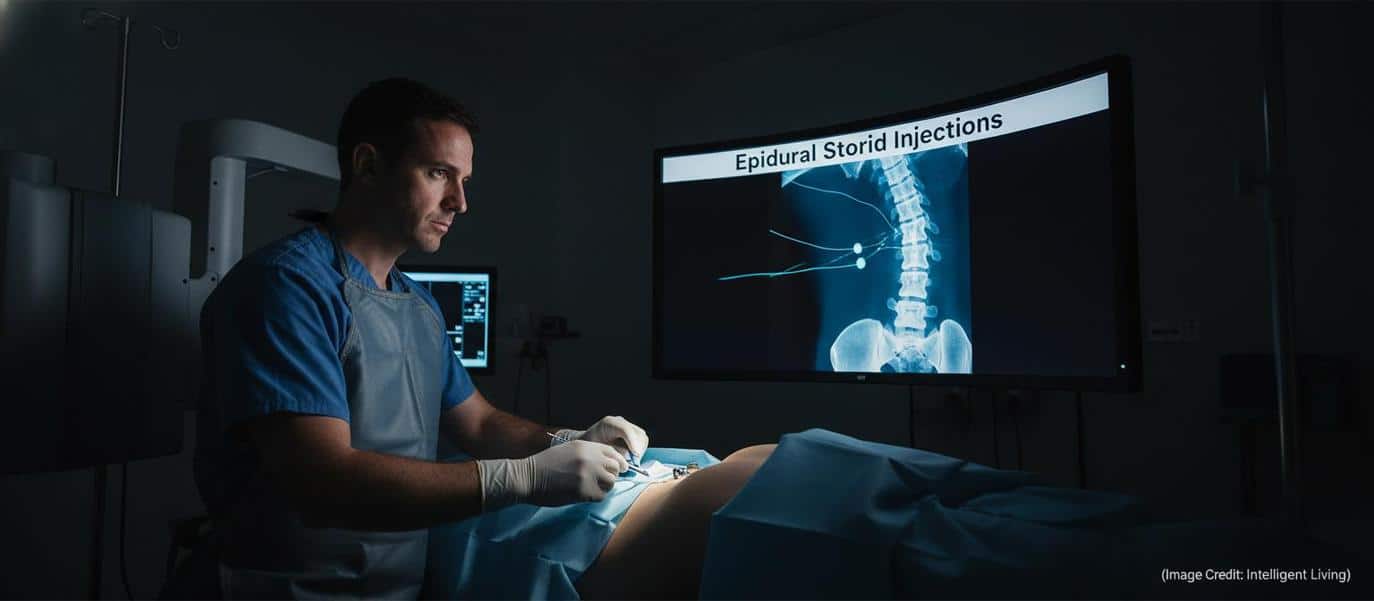
Specialized epidural therapies focus on the intricate neural pathways within the spinal column, typically targeting the cervical or lumbar regions. The primary clinical objective involves relieving pressure on compressed nerves to restore normal neurological function.
Epidural steroid therapies demonstrate exceptional efficacy in resolving pain signals triggered by specific structural spinal abnormalities, including:
- Herniated or bulging intervertebral discs
- Degenerative spinal stenosis
- Spondylolisthesis or vertebral slippage
- Chronic nerve root inflammation
By delivering anti-inflammatory agents directly into the epidural space surrounding the spinal cord, the procedure effectively douses the “fire” of nerve irritation. This reduction in chemical inflammation is what ultimately resolves the shooting pain felt in the extremities.
Administering Epidural Injections for Optimal Recovery
During the procedure, the physician utilizes real-time imaging to navigate a needle into the specific epidural compartment. Once the target site is confirmed, a blend of corticosteroids and anesthetics is carefully administered. Most patients describe the sensation as a localized pressure that dissipates quickly as the numbing agent takes effect.
Initial improvements in comfort are typically noted within forty-eight to seventy-two hours. While the duration of relief is highly individualized, the benefits frequently extend through several months of active recovery. If the underlying condition persists, a series of injections may be integrated into a broader pain management plan.
Key Clinical Distinctions Between SI Joint and Epidural Methods
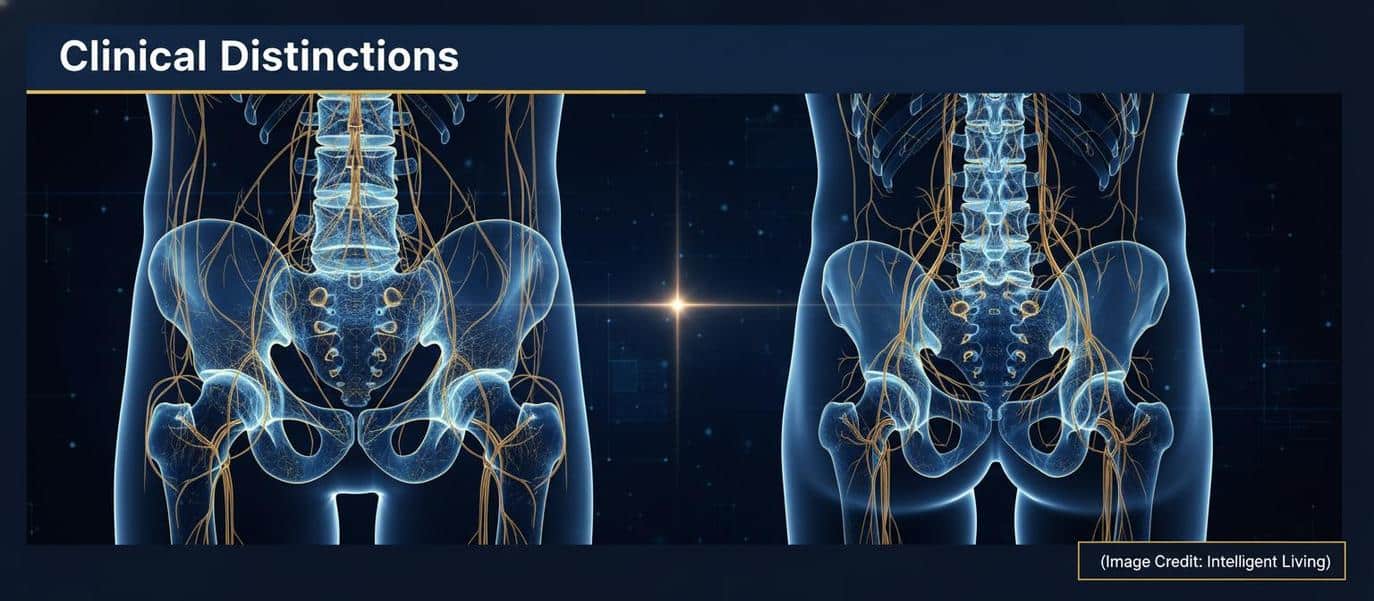
Differentiating between these two methods requires looking at both the anatomical target and the symptom profile. According to the National Institutes of Health (NIH), identifying the specific source of spinal pain is crucial for selecting the appropriate injection therapy.
Key clinical distinctions include:
- Anatomical Focus: SI joint injections target the pelvis-spine junction, while epidurals target the spinal canal.
- Pain Characteristics: Epidurals treat radiating limb pain; SI injections resolve localized pelvic and buttock discomfort.
- Therapeutic Goal: One focuses on joint inflammation, whereas the other addresses nerve root compression.
Understanding these variations ensures that the chosen intervention addresses the root cause rather than merely masking secondary symptoms. While both utilize similar medications, their delivery sites dictate the specific type of relief a patient will experience.
Evaluating the Clinical Benefits and Potential Risks
Modern interventional techniques provide several clinical advantages, most notably the rapid suppression of local inflammation and the restoration of physical range of motion. Minimal invasiveness ensures that postoperative recovery remains swift, enabling a rapid return to work and social obligations without the extended downtime associated with surgery.
As with any medical intervention, certain potential risks must be considered. While rare, patients should be aware of the possibility of localized infection, minor bleeding, or temporary allergic reactions to the medications used. Direct consultation with a pain management specialist provides the necessary context to weigh individual risks against long-term recovery goals.
Navigating Your Path to Targeted Pain Management
Accurate procedural selection hinges entirely on a comprehensive diagnostic workup. Pain management specialists combine exhaustive medical histories with targeted physical testing and advanced imaging to isolate the physiological origin of distress.
Once the underlying etiology is confirmed, a qualified medical professional will tailor the recommendation to either a sacroiliac joint or epidural approach. This personalized treatment plan often incorporates complementary modalities, such as therapeutic exercise, to maximize the longevity of the results.

Strategic Pathways to Lasting Spinal Wellness
Effective management of chronic spinal or pelvic conditions requires a diagnostic strategy that favors precision over broad generalizations. Patients requiring the localized anti-inflammatory strength of an SI joint therapy or the neural decompression afforded by an epidural both share a common goal: reclaiming functional independence.
As pelvic and spinal medical technology continues to refine these interventional techniques, the ability to tailor treatments to the specific etiology of a patient’s discomfort has never been more accessible or effective. Long-term relief often involves a multifaceted strategy where injections serve as a catalyst for deeper rehabilitation.
Once the acute inflammation subsides, many find that they can engage more effectively with physical therapy and lifestyle modifications that prevent future flare-ups. To find the safest and most effective route to comfort and activity, consulting a board-certified pain management specialist ensures that every procedure is a purposeful step toward a pain-free future.
Essential FAQ Regarding Spinal Injections
How long do the effects of a sacroiliac joint injection typically last?
Most patients report sustained relief lasting several months, particularly when they supplement the injection with a specialized physical therapy regimen.
Can an epidural injection help with pain radiating down the leg?
Yes, epidural injections are specifically designed to reduce inflammation around spinal nerves, effectively treating radicular pain often associated with sciatica.
Is there a significant recovery period after these spinal procedures?
Returning to light activity typically occurs within two days, although minor tenderness at the entry point is a normal part of the healing process.
How many injections can a person safely receive in a year?
Safety protocols generally restrict corticosteroid applications to three or four sessions annually to protect soft tissue integrity and prevent systemic absorption issues.
Which injection is better for localized buttock and pelvic pain?
Sacroiliac joint injections are generally the preferred treatment for localized discomfort originating where the spine meets the pelvis.


