
Perimeter security is evolving as modern facilities face rising threats and complex environmental responsibilities. The demand for effective protection has never been higher, but neither has the expectation that systems contribute to a sustainable future. Organizations are now tasked with implementing security measures that protect assets and reduce ecological impact. This balance is now central to the protection strategies of governments, businesses, and communities.
Simply installing barriers and surveillance is no longer sufficient; solutions must also fit into a broader social and environmental framework. By addressing these challenges, perimeter security becomes both resilient and future ready. Sustainability in security has shifted from being a bonus to becoming an essential feature.
Facilities are increasingly evaluated not only on how safe they are but also on how responsibly they manage resources. This dual focus changes the way systems are designed, built, and maintained. Communities prefer protective measures that also respect their surroundings, blending in rather than standing out aggressively. In response, the industry is incorporating several key practices:
- Eco-friendly materials
- Smarter energy use
- Community-conscious designs
This reflects a vision of security that supports both protection and long-term sustainability.
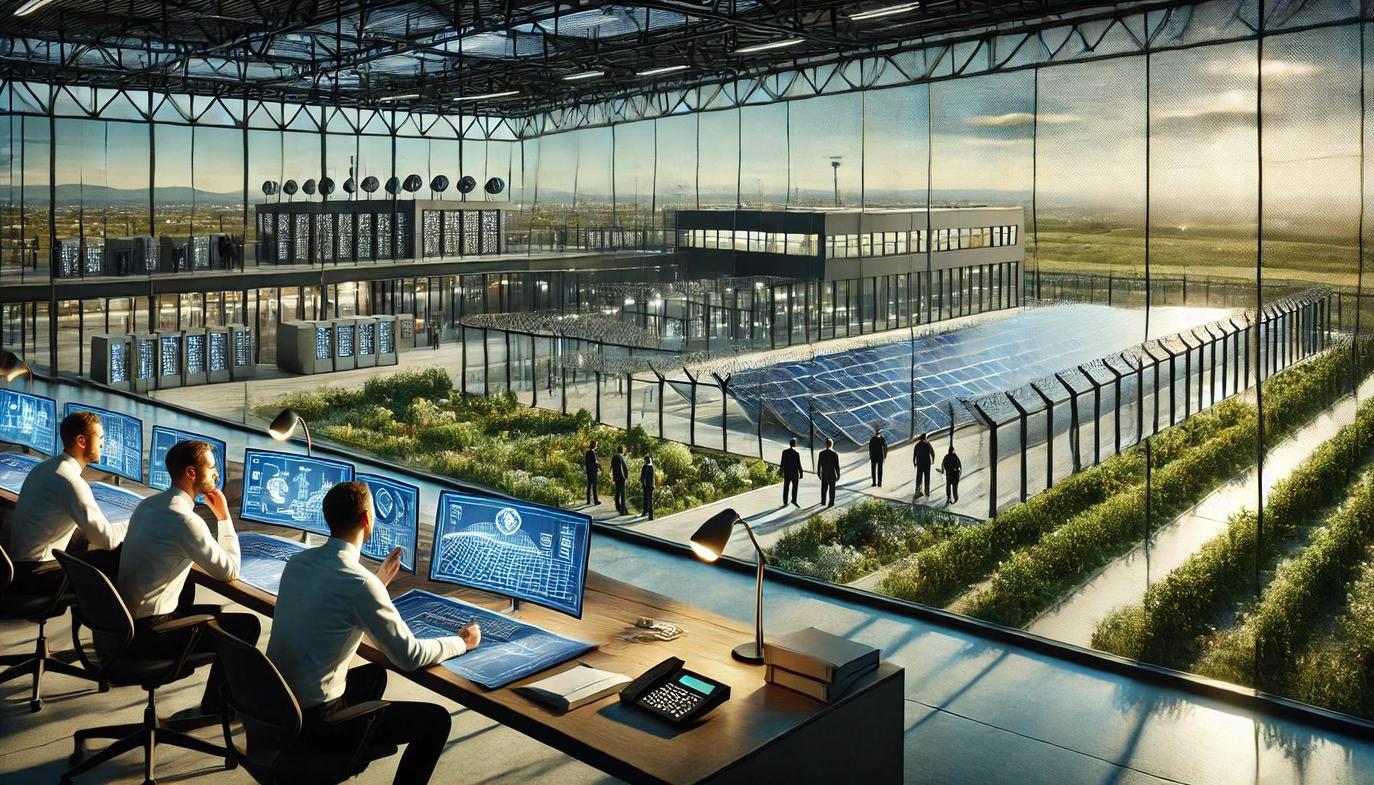
Engineering a Sustainable and Secure Future
Designers and engineers now approach their work with dual priorities. Their primary goals are creating defenses that withstand advanced threats while reducing environmental footprints. The combination of durable materials with efficient layouts provides solutions that are both robust and cost-effective.
High-Security Longevity and Environmental Impact
Many systems are built to last longer, which means fewer replacements and less material waste. This approach strengthens reliability while aligning with sustainable values. The result is infrastructure that meets immediate security needs while upholding long-term environmental responsibility.
The industry also focuses on adaptability, allowing clients to adjust their systems as conditions change. Modularity ensures that new technologies can be integrated without dismantling existing structures. This reduces waste while extending the lifecycle of security investments.
Sustainable Materials and Energy-Efficient Security
Materials chosen are often recycled or recyclable, minimizing harmful environmental effects. Combined with energy-efficient mechanisms, these designs redefine what it means to be both secure and sustainable. This engineering philosophy sets the stage for a new era in perimeter security.
Uniting Safety Mandates with Sustainable Practices
Safety remains the cornerstone of perimeter defense, but sustainability now shares equal importance. Security solutions like cable barriers are being designed to deter threats while minimizing energy consumption and waste. Facilities demand systems that achieve reliable performance without excessive maintenance or resource use.
Safety and Security with a Low Ecological Footprint
This balance reflects a broader trend of aligning infrastructure with environmental goals. For businesses, these investments demonstrate foresight, while for communities, they provide reassurance that protection does not compromise environmental health.
The integration of sustainable practices has led to practical innovations. Modular barriers, recyclable materials, and energy-saving technologies are redefining the landscape.
Solar power and renewable energy sources increasingly support surveillance and detection systems. Smart layouts reduce land disruption while still creating secure boundaries. These approaches allow organizations to safeguard assets while lowering ecological impact. The outcome is security that protects people, property, and the planet alike.

The Role of Flexible Barriers in Eco-Friendly Security
Flexibility is one of the most valued traits in modern perimeter systems. Barriers have emerged as a strong example of how adaptable designs can serve both safety and sustainability goals. Unlike rigid installations, these barriers absorb and redistribute force, making them effective in diverse environments.
Perimeter Security with Recyclable Materials
Their construction requires fewer heavy materials, reducing environmental impact. They also offer the advantage of quick installation with minimal disturbance to surrounding land. This makes them especially appealing in locations where ecological preservation is a priority.
The effectiveness of such systems can be seen in real-world applications. Cable barriers on highways are widely recognized for their role in saving lives during vehicular accidents. Their energy-absorbing design prevents collisions from becoming catastrophic while keeping repair costs manageable.
Resilient Infrastructure and Resource Management
Requiring less frequent replacement also contributes to their resource efficiency. These qualities highlight how adaptable barriers can achieve both protective and ecological goals. Their success proves that security can be both flexible and sustainable.
Securing Access Points with Sustainable Technology
Access control points serve as the critical gateways in perimeter defense. Their design must balance strict protection with operational flow and efficiency.
Access Control for High-Security Threat Protection
Facilities ranging from government installations to commercial complexes rely on these systems to manage entry without disruption.
Sustainability considerations have also entered their design, ensuring they consume less energy and require fewer resources. Strong materials combined with modular layouts keep costs low while extending service life. This combination shows how functionality and responsibility can be effectively integrated.
Specialized solutions further enhance these entry points. The k8 drop arm barrier is one example of a product that delivers uncompromising stopping power against vehicle-based threats. It provides swift operation, ensuring authorized personnel can move efficiently while maintaining strong defense.
High-Security Design and Sustainable Longevity
Built with durable materials, it reduces waste by extending operational longevity. By combining speed, strength, and resource-conscious design, it represents the new standard for access point innovation. Such systems show how perimeter defense can meet modern expectations on all fronts.

The Future of Security Is Smart and Sustainable
The evolution of perimeter security is here. It’s no longer just about building higher walls; it’s about creating intelligent, resilient systems that protect assets while respecting the environment. Organizations embracing this shift are not just installing barriers—they are investing in a future where safety and sustainability are intertwined. This forward-thinking approach creates infrastructure that is not only tougher against threats but also lighter on the planet.
Looking forward, the expectation for eco-conscious security will only intensify. The most successful solutions will be those that blend seamlessly into their surroundings, operate efficiently, and earn community trust.
The industry is demonstrating that robust protection and environmental responsibility can and should coexist by prioritizing adaptable designs, renewable energy, and recyclable materials.
Key Questions on Sustainable Security
How do sustainable materials hold up in high-security situations?
Sustainable does not mean weak. Modern eco-friendly materials, such as recycled steel or composites, are engineered for extreme durability and resilience. These materials often undergo rigorous testing to meet or exceed the performance of traditional options, ensuring they can withstand significant force and harsh environmental conditions while reducing the overall ecological footprint.
Are sustainable security systems more expensive upfront?
While some advanced technologies may have a higher initial cost, the design of many sustainable security solutions ensures cost-effectiveness throughout their lifecycle. Features like modularity, energy efficiency, and the use of durable, low-maintenance materials reduce long-term operational expenses, often resulting in a lower total cost of ownership compared to conventional systems.
Can existing perimeter security be retrofitted to be more sustainable?
Yes, absolutely. Many modern sustainable security solutions are designed with modularity in mind. This allows facilities to upgrade their existing infrastructure in phases. Upgrades can include integrating solar-powered surveillance cameras, replacing outdated components with energy-efficient alternatives, or adding flexible, low-impact barriers without requiring a complete overhaul of the current system.


