
Statistics show that nearly 3 million older adults visit emergency rooms each year because of falls. A significant number of these accidents occur in the bathroom, where slippery floors, hard surfaces, and awkward layouts present serious risks. For seniors, particularly in retirement destinations like Orlando, a safe and practical bathroom is not just a convenience—it’s a necessity.
But safety is not the only concern. Many people today also think about reducing their water and energy use. Water bills can climb, and wasting resources isn’t something most people want to do. Luckily, combining accessibility with eco-friendly upgrades is easier than ever. By making smart changes, you can have both.
This article will walk you through ways to create a bathroom that works for your golden years.

Step Into a Walk-In Tub for Safer Bathing
Getting in and out of a regular bathtub becomes harder as we get older. The high walls and slippery surfaces increase the risk of falls. One smart upgrade for an aging-friendly bathroom is installing a walk-in tub. These tubs have a side door, eliminating the need to step over a high edge. Users can simply open the door, walk in, and close it securely.
Walk-in tubs are not only safer but also designed with water-saving features in mind. Many newer models fill and drain faster, helping to cut down on wasted water compared to older, larger tubs. Some even have built-in seats, making the bathing process more comfortable and less tiring.
When choosing a walk-in tub, focus on features that add to both safety and ease of use. These include grab bars built into the tub, slip-resistant floors, and hand-held shower attachments. If you’re planning a larger update, bathroom remodelers in Orlando can help install walk-in tubs properly, ensuring both safety and long-term durability. By selecting the right model and working with experienced professionals, you can create a bathroom that ensures safety and efficiency for years to come.
Placing Grab Bars Where They Help Most
Grab bars are not just for hospitals. Today’s grab bars come in finishes like brushed nickel or matte black. They blend in seamlessly with your decor while providing crucial stability in potentially slippery areas.
The key is placing them where they matter most. Near the shower entrance, beside the toilet, and along the bathtub walls are common spots. Many people also install smaller grab bars near sinks or towel racks.
These simple bars help prevent falls and give peace of mind. Plus, they do not take up much space and can be installed on most types of bathroom walls.
Picking Slip-Resistant Flooring Options
Many bathroom slips happen because of smooth, wet floors. Regular tile might look nice, but it becomes risky when water splashes around. The solution is switching to slip-resistant flooring.
There are many styles to choose from that do not look industrial. Textured porcelain tiles are one option. Vinyl flooring with a grippy surface is another. Both provide a stable surface without the need for extra bath mats or rugs, which can bunch up and create more hazards.
Saving Water with Smarter Fixtures
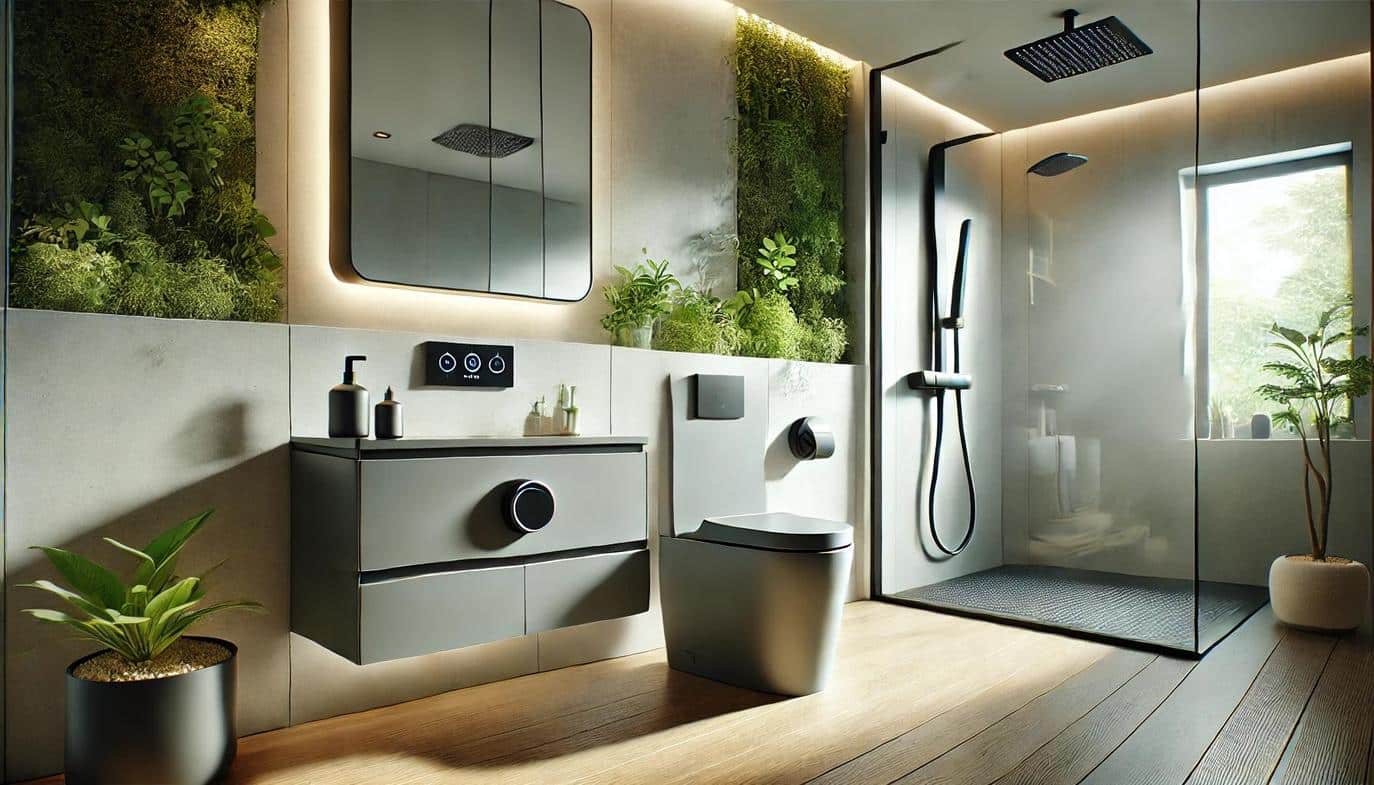
Older toilets, sinks, and showers can waste gallons of water each day. This is both financially costly and environmentally wasteful. Updating bathroom fixtures is one of the easiest ways to make a change.
Low-flow toilets now use as little as 1.28 gallons per flush compared to older models that use over 3 gallons. Water-saving faucets and showerheads also reduce flow rates without lowering performance.
These fixtures come in many styles, so they fit into any bathroom design. They’re simple upgrades that don’t require a full remodel but still make a real difference.
Choosing Easy-to-Use Faucets and Handles
Twisting small knobs can feel tough if you have arthritis or limited hand strength. That’s why lever-style handles make so much sense in a bathroom meant for aging in place.
Lever handles require less effort to use. They also work better when hands are wet or soapy. Another smart choice is installing sensor-activated faucets. These turn on and off automatically, helping save water while reducing germs from touching handles.
This combination enhances both convenience and efficiency, reducing physical effort and resource waste.
Picking the Right Toilet Height for Better Comfort
Standard toilets often feel too low, especially for seniors. Sitting down and standing up can become hard on the knees and back. That’s why many people choose comfort-height toilets. These models are two to three inches taller than regular ones. That small difference makes a big impact on ease of use.
Comfort-height toilets also come in water-saving versions. Many newer designs use less water per flush while still working just as well as older types. This makes them a good choice for anyone looking to improve both comfort and efficiency.
When shopping for a new toilet, check for models labeled as “ADA-compliant.” These meet height guidelines that work well for people with mobility concerns.

Lighting Up the Space Without Wasting Energy
Good lighting is important in any bathroom, but it’s even more important for older adults. Dim or uneven light can lead to missteps or trouble seeing clearly. The best approach is to use layered lighting, which typically includes:
- Ceiling Lights: For overall ambient illumination.
- Vanity Lights: To provide bright, focused light for tasks like grooming.
- Night Lights: To ensure safe navigation during late-night use, often with motion sensors.
Instead of using regular bulbs, choose LED lights. LED bulbs last much longer than older types and use much less energy. They also come in different brightness levels and colors. Look for options labeled as “warm white” for a soft, clear glow.
Some people also add motion-sensor lights near the floor. These turn on automatically when you walk in, helping avoid fumbling for switches in the dark.
Making Storage Easy to Reach and Simple to Use
Storage that’s too high or too low can cause strain. Reaching for heavy bottles or bending down for supplies isn’t ideal as we get older. To fix this, think about adding shelves or drawers that stay within easy reach.
Floating shelves installed around waist height work well. Drawer organizers inside bathroom cabinets keep things tidy and easy to find. If possible, avoid deep shelves that hide items in the back where they are hard to reach.
For a sustainable touch, choose storage made from eco-friendly materials like bamboo or recycled wood. These choices are durable and look good while fitting into a more mindful home design.

Designing a Bathroom for a Lifetime of Comfort
Creating an accessible and eco-minded bathroom isn’t about high-tech gadgets or expensive overhauls; it’s about making thoughtful choices that support your needs today while preparing for the future. By integrating practical safety features like walk-in tubs and grab bars with sustainable upgrades like water-saving fixtures and LED lighting, you create a space that is both safe and efficient. These smart, simple updates protect your well-being, reduce your environmental footprint, and offer invaluable peace of mind for years to come.
Frequently Asked Questions About Accessible Bathrooms
What is the most important first step for improving bathroom safety?
The most critical first step is addressing slip hazards. Installing slip-resistant flooring and placing grab bars in key areas—near the toilet, in the shower, and by the tub—can dramatically reduce the risk of falls, which are the most common cause of injuries in the bathroom.
Are walk-in tubs difficult to maintain?
Modern walk-in tubs are designed for easy maintenance. Most are made from non-porous acrylic that resists mold and mildew. Regular cleaning with non-abrasive cleaners is typically all that’s needed to keep them in excellent condition.
Can an accessible bathroom still be stylish?
Absolutely. Today, accessible fixtures like grab bars, comfort-height toilets, and lever-style faucets come in a wide variety of modern finishes, from matte black to brushed nickel. You no longer have to choose between safety and style.
What is a “comfort-height” toilet?
A comfort-height toilet, also known as an ADA-compliant toilet, is typically 17-19 inches high from the floor to the top of the seat. This is a few inches taller than a standard toilet, making it easier for individuals with knee or back issues to sit down and stand up safely.

