
When the power goes out, the implications can be serious. Homeowners face multiple inconveniences, from spoiled food and disrupted heating or cooling systems to complete darkness and security concerns.
In such instances, standby generators serve as a crucial backup. They restore power rapidly and improve home safety and comfort during outages. A standby generator will remain secure and comfortable regardless of external conditions.
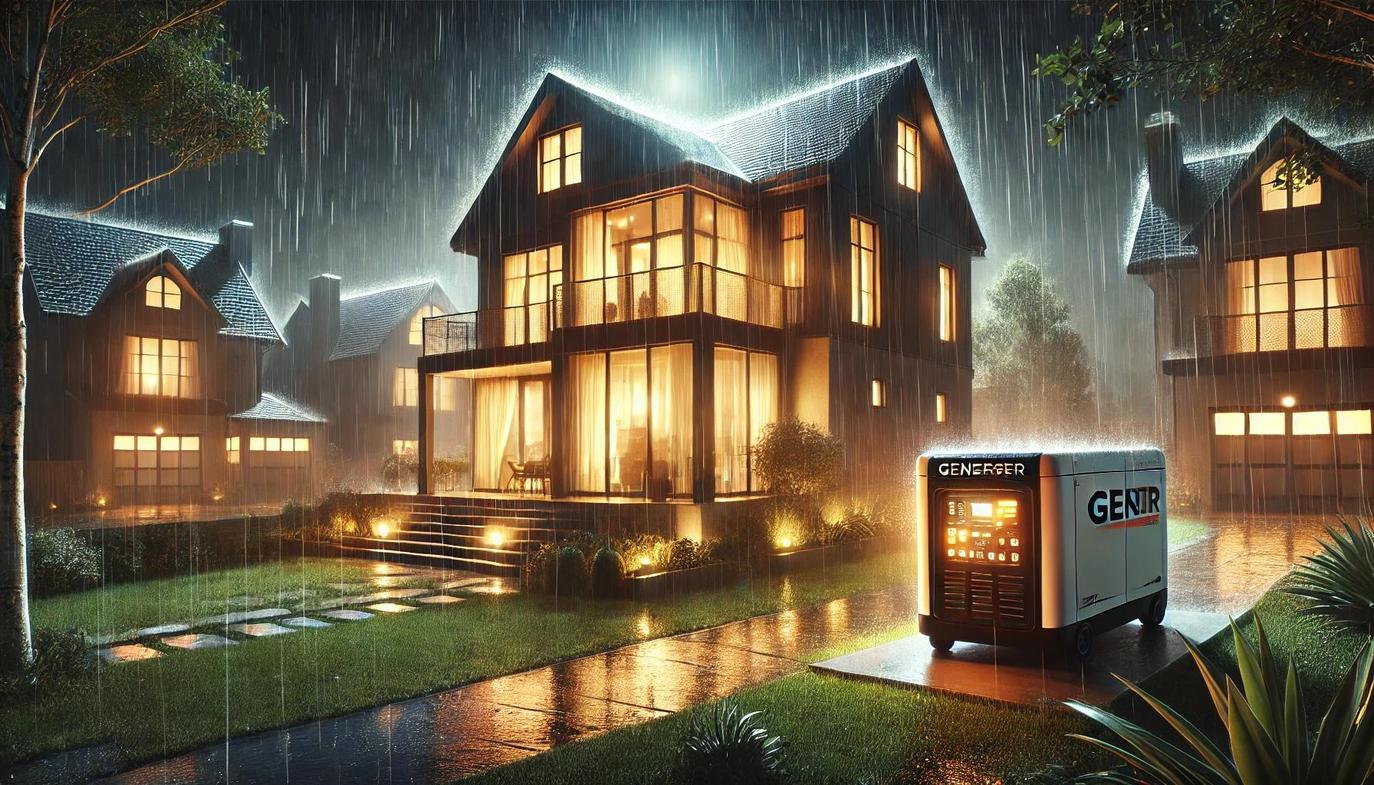
What are Standby Generators?
Standby generators are permanent backup power systems designed to activate when a power outage occurs. Now, standby generators are a popular option for homeowners looking for steady and dependable power without interruptions. Within seconds of detecting a disruption, these generators kick in to supply electricity. Unlike portable generators that need manual setup and frequent refueling, standby units are hardwired into a home’s electrical panel and are fueled by natural gas or propane.
The most compelling benefits are the assurance of uninterrupted power for appliances like refrigerators, HVAC systems, medical devices, and security systems. These generators help maintain daily routines with minimal disruption.
As weather patterns grow more unpredictable and power infrastructure ages, more homeowners are turning to standby generators for reliability and a seamless transition during power loss.
Seamless Convenience and Uninterrupted Comfort
The convenience and comfort provided by a standby generator are unmatched when compared to traditional portable units. One of its standout features is automatic operation: homeowners don’t need to be present or take any action when the power goes out. The generator detects the outage and begins supplying electricity almost immediately so that heating, cooling, lighting, and refrigeration stay on.
Standby units are designed to operate quietly, contributing to a more peaceful home environment. The consistent climate control provided by functioning HVAC systems guarantees comfort during extreme weather conditions. A standby generator maintains safe indoor temperatures during a summer heatwave or a winter storm. This convenience results in a stress-free experience during what could otherwise be a disruptive event.

Enhancing Home Safety and Security
Safety during a blackout is about more than just keeping the lights on. A standby generator maintains home security and protects the household from potential hazards. When power is lost, security systems, motion detectors, and outdoor lights can all fail, leaving homes more vulnerable to break-ins. A generator keeps these systems running, deterring unwanted activity and enhancing homeowners’ sense of security.
In cold climates, a lack of heating can result in frozen pipes, which may burst and cause extensive water damage. Fire safety is improved. Functioning smoke and carbon monoxide detectors can continue to monitor the home effectively during a blackout. Even kitchen appliances contribute to safety, allowing families to prepare warm meals and maintain proper nutrition.
Protecting Your Food and Essential Utilities
Power outages can quickly turn costly in terms of food spoilage and home utility failures. Refrigerators and freezers rely on continuous power to keep food at safe temperatures. Without backup, food can spoil within hours in warm weather. A standby generator guarantees the uninterrupted operation of these appliances, preserving groceries and preventing waste.
Homes often depend on electric sump pumps to prevent basement flooding during storms. Losing power during heavy rain can result in water damage, mold, and expensive repairs. Keeping sump pumps, dehumidifiers, and similar systems running protects property and health. Water heaters and well pumps rely on electricity, meaning a generator maintains access to clean water and hot showers even during an outage. All these utilities are necessary for comfort and hygiene, and a standby generator makes sure they remain accessible regardless of external power failures.

A Smart Return on Your Investment
A standby generator represents a significant upfront investment, but the long-term financial advantages can be substantial. The most immediate savings come from preventing food spoilage, which can cost hundreds of dollars during prolonged outages. In colder climates, frozen pipes can cause water damage that requires extensive repairs, an expense that a generator can avoid by keeping heating systems functional.
Maintaining a functioning sump pump can prevent costly basement flooding. Standby models also offer fuel efficiency and fewer ongoing costs. Once installed, they require minimal upkeep and eliminate the need for fuel storage and manual setup, all of which contribute to offsetting the initial cost.
Furthermore, having a standby generator can increase a home’s resale value, making it an attractive feature for future buyers who prioritize reliability and safety. For many homeowners, it’s a smart, forward-thinking investment that pays off in both convenience and financial protection.
Eco-Friendly and Efficient Generator Options
Modern standby generators are becoming aligned with environmental goals, offering cleaner energy solutions. Newer models are often powered by natural gas, which burns cleaner than gasoline or diesel, emitting fewer pollutants into the atmosphere. Some units are even compatible with propane, another lower-emission fuel option. A fuel-efficient, eco-conscious model can reduce a household’s carbon footprint.
The latest generators are designed to operate more efficiently, using less fuel to generate the same amount of power. Routine maintenance and servicing can minimize environmental impact by limiting unnecessary emissions. Generators are not entirely green solutions, but their reliability can prevent other, more harmful outcomes like the use of unsafe heating alternatives during winter blackouts.
Choosing the Right Standby Generator
Selecting the ideal standby generator requires careful consideration of your household’s unique power needs. Identify heating, cooling, refrigeration, and medical devices that must remain operational during an outage. The size of the generator should align with the combined wattage of these appliances so that it can handle the load. Consulting with a licensed electrician or generator specialist is highly recommended, as they can assess your needs and recommend the appropriate unit.
Models that feature automatic transfer switches enable seamless transitions during power outages, and remote monitoring options allow you to check performance from a smartphone. Reliability, warranty coverage, and customer support are key factors. Reputable brands known for durability and service are a wise choice. A well-chosen standby generator improves comfort and safety and provides a reliable backup system tailored to your home.
Ensuring Home Safety with a Standby Generator
A standby generator is a critical component of a comprehensive emergency preparedness strategy. These units provide an automatic and reliable power source that preserves food, maintains essential utilities, and adds significant value to your home. The initial investment is notable, yet the long-term financial savings and enhanced security make it a worthwhile consideration for any homeowner.
Incorporating a standby generator into your home boosts safety and comfort during unexpected power outages. A proactive approach to home safety ensures that your family remains secure and your daily life continues with minimal disruption, regardless of external conditions. This forward-thinking investment pays off in both convenience and lasting financial protection.
Frequently Asked Questions About Standby Generators
What is the main difference between a standby and a portable generator?
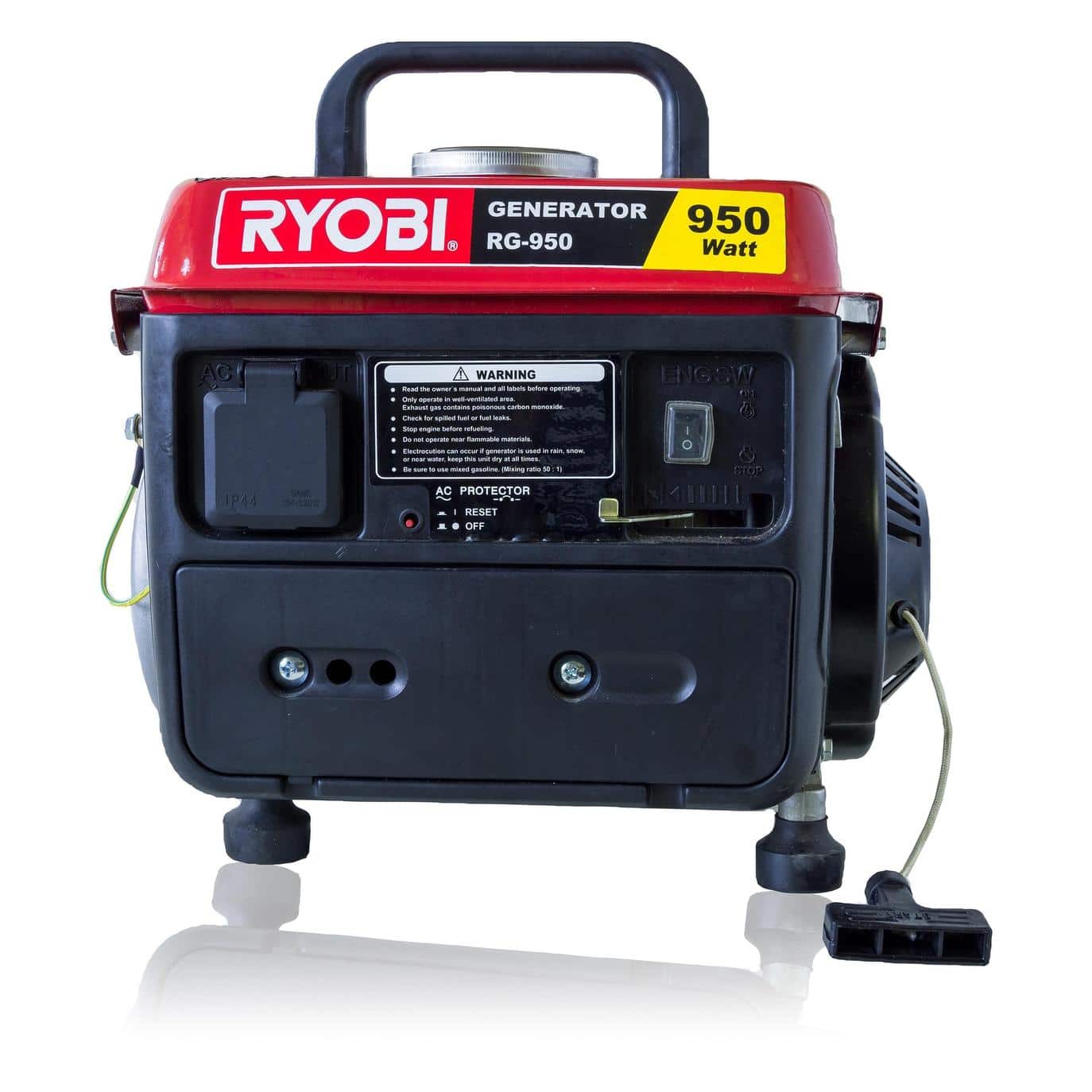
A standby generator is a permanent installation hardwired into your home’s electrical system and typically runs on natural gas or propane. It turns on automatically during an outage. A portable generator is smaller, runs on gasoline, and requires manual setup and refueling.
How much maintenance does a standby generator require?
Standby generators require minimal upkeep, which usually includes a weekly self-test that lasts a few minutes and an annual service check by a qualified technician. This ensures the unit is always ready to operate when needed.
Will a standby generator power my entire house?
The capacity of a standby generator determines how much of your home it can power. Some models are designed to power essential circuits like your refrigerator, HVAC, and lights, while larger whole-home models can power every appliance in your house simultaneously.


