
A whopping 90% of South Africa’s electricity is from coal. That’s one of the highest rates worldwide. And with figures like that, it may seem like the nation doesn’t care about the climate crisis; however, that’s not entirely true. The court has kept climate demands in focus with rulings that require the government to consider environmental consequences.
For example, in 2017 it ruled that an “environmental authorization” could only be issued for a coal-fired power plant after the government had considered determinants such as:
…how climate change will impact on its operation, through factors such as rising temperatures, diminishing water supply, and extreme weather patterns.
An environmental authorization is one of the first things a power plant has to attain to proceed towards getting the project approved for construction. Later on, the company needs to get a water use license as well, which is applied separately.
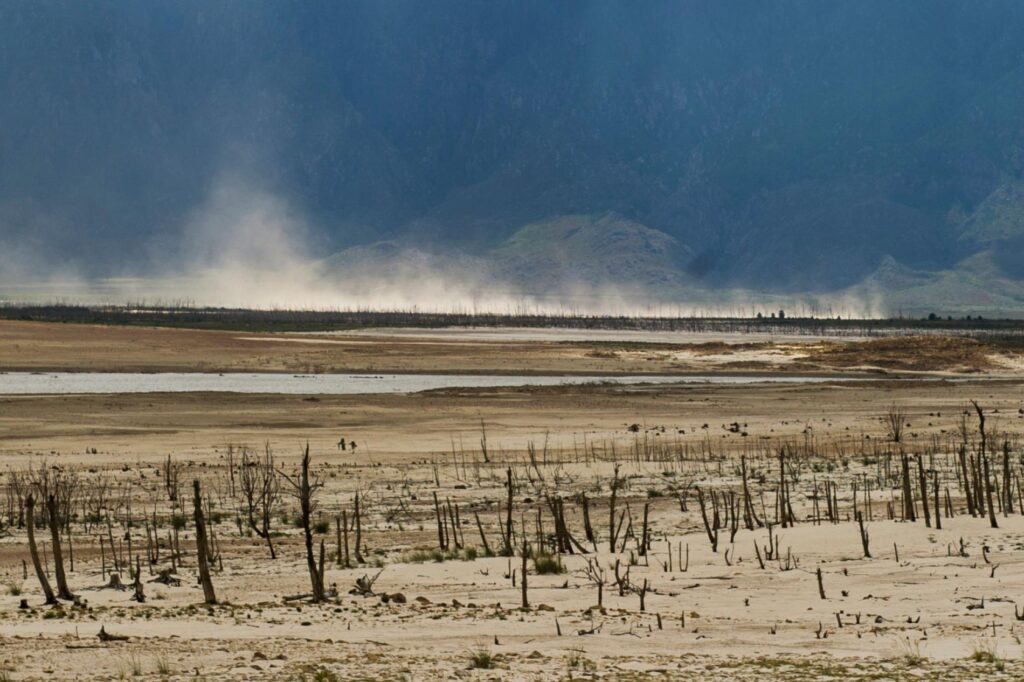
Now, since South Africa has been having massive problems with water scarcity (following the worst regional drought of the century in Cape Town in 2018), the court issued another ruling that licenses for water use must take into consideration the risks of climate change. Global warming is projected to cause an increase in droughts and stress on water supplies.
In response, the nation’s Water Tribunal in Pretoria recently scrapped the 600MW Khanyisa coal plant’s water licenses because the developer had failed to take into account the impact of climate change. The move was in response to an appeal by campaigners from the environmental justice group called groundWork.
The tribunal said:
One of the key impacts of climate change in Southern Africa will be water scarcity. It is not in dispute that, regardless of mitigating measures, building a coal-fired power station will increase South Africa’s total emissions of greenhouse gases and thereby contribute to climate change which will impact water security.
The environmental activists that took the legal action to stop Khanyisa are also fighting against another coal-fired project called Thabametsi. But doing everything they can to stop these coal plants from being built isn’t all they’re doing! These people are also lobbying investors, banks, and developers to turn against coal projects because they go against the country’s commitments under the 2015 Paris climate agreement.
Robby Mokgalaka, coal campaign manager at groundWork, said in a statement:
Khanyisa proposes using technology that is particularly greenhouse gas emission-intensive.
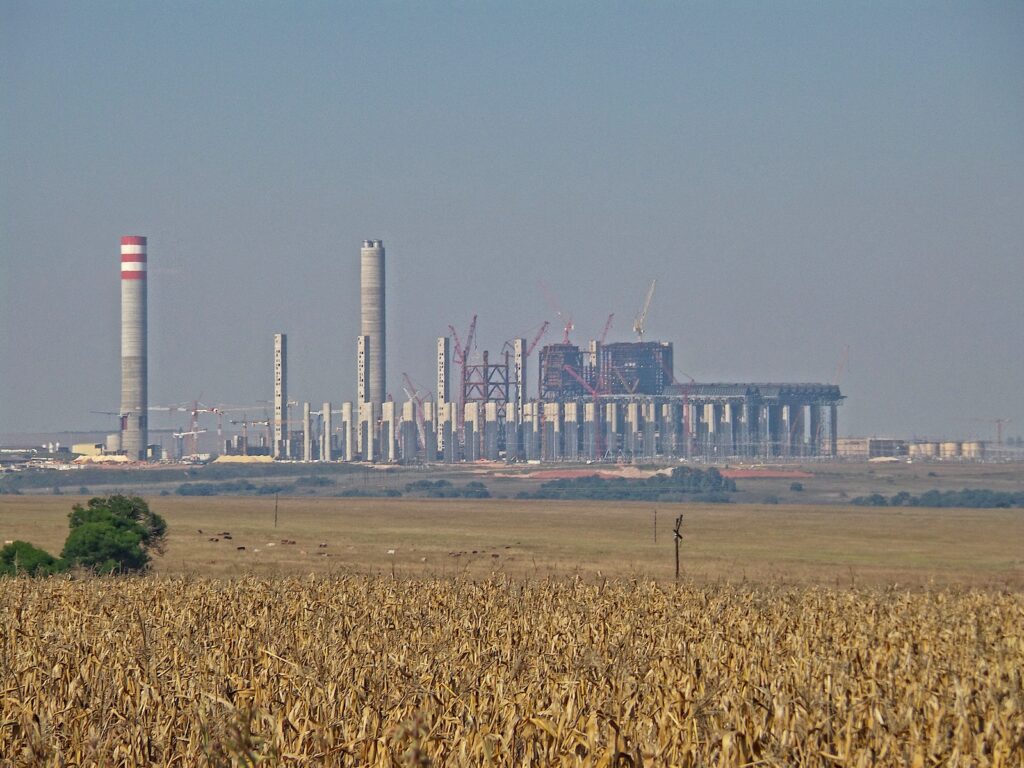
Not only that, but coal-fired power plants are water-hungry facilities. They consume vast amounts of water for everything from cooling generators to cleaning coal. Furthermore, coal ash could spill into nearby wetlands polluting the water.
Michelle Koyama, the attorney at the Centre for Environmental Rights (CER) who acted on behalf of groundWork, told Climate Home News:
The landmark aspect is that for the first time, climate change is specifically confirmed to be a ‘relevant factor’ to be taken into account when considering a water use license application.
Any company that intends to start any sort of project which requires a water use license and which will implicate climate change – such as a coal-fired power station – should bear this judgment in mind when applying for a water use license.
Due to the tribunal’s ruling, the ACWA will now have to re-submit its water use applications. The process will likely take months as it requires new rounds of public and expert consultation. It’s a significant blow to the project at the very least.


