
Transforming a home into an eco-friendly sanctuary requires more than just good intentions; it demands strategic design choices. Modern homeowners no longer choose between aesthetics and efficiency. Instead, they integrate stylish upgrades that actively lower utility costs and reduce environmental impact.
You don’t need a full-scale renovation to see results. By targeting high-impact areas like lighting, insulation, and water fixtures, you can elevate your home’s comfort while shrinking its carbon footprint. These practical changes prove that sustainability and style are powerful partners.

Strategic Energy Auditing and Planning
Effective renovation begins with a comprehensive audit of current consumption patterns. Pinpointing energy drains allows homeowners to prioritize upgrades that deliver the highest return on investment. To identify the most effective upgrades, assess your current usage in key areas:
- Heating and cooling systems
- Lighting fixtures
- Major appliances
Analyzing utility statements reveals seasonal volatility, highlighting specific systems ripe for optimization. Good planning keeps you focused and helps every upgrade work toward a more efficient home.
Water-Efficient Bathroom Fixture Upgrades
Bathrooms frequently account for disproportionate water consumption within the home. Modern features can help you reduce waste while still enjoying a comfortable space. The shower area represents a primary target for conservation efforts. A low-flow shower system reduces water use without lowering water pressure. These designs support better comfort and help you save more each month. If your shower is old or damaged, you may need a full shower replacement. Experts can handle this job safely and ensure the new system fits your bathroom’s layout. Professional work also helps prevent leaks and future issues. Beyond the shower, consider updating other fixtures to maximize efficiency:
- Install low-flow faucets
- Switch to LED vanity lighting
- Upgrade ventilation fans
These small changes accumulate, transforming your bathroom into a model of sustainability and style.
Optimizing Illumination with LED Technology
Illumination significantly impacts both visual atmosphere and electrical load. Many homes still rely on older bulbs that use more power and do not last long. Transitioning to LED technology maintains luminosity while drastically reducing wattage requirements. LEDs stay cooler, last longer, and work well in every part of the home. You can also use smart lighting controls to adjust brightness throughout the day. Dimmers and timers help you create comfortable settings without wasting energy.
Eco-Friendly Kitchen Renovation Strategies
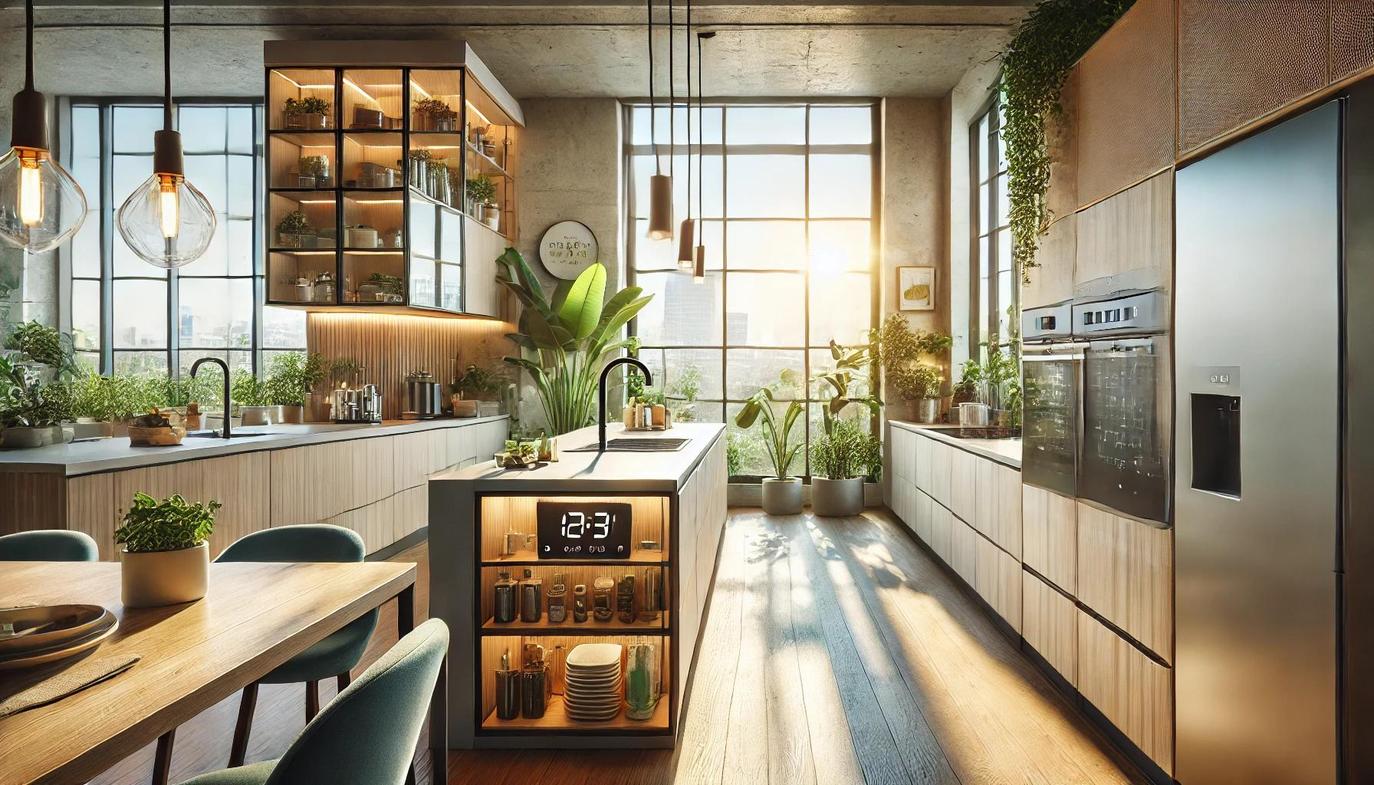
Kitchens operate as high-consumption centers, where infrastructure improvements yield immediate efficiency gains. Priority changes include:
- Energy-saving appliances: Reduce daily power consumption
- Low-flow faucets: Minimize water waste during prep and cleaning
- Durable materials: Extend the lifespan of cabinets and countertops
Long-lasting finishes reduce the need for frequent replacements and support a more sustainable lifestyle.
Improving Indoor Air Quality with Low-VOC Paint
Wall finishes influence both the aesthetic character and the respiratory health of the indoor environment. Traditional formulations often off-gas volatile organic compounds (VOCs) long after application. Low-VOC paint offers a safer option and supports healthier living. These paints do not produce strong odors and work well in every room. When choosing colors, look for shades that stay appealing over time so you do not need to repaint often. A fresh coat of low-VOC paint gives your home a clean, renewed look and helps you maintain better indoor air quality each day.
Thermal Insulation and Climate Control
Robust thermal barriers maintain indoor equilibrium regardless of external weather conditions. Many homes lose heating and cooling because walls, attics, or crawl spaces do not hold temperature well. When air escapes, your HVAC system works harder and your bills rise. Adding insulation helps reduce this strain and keeps indoor temperatures steady. You can check for trouble spots by looking for drafts or rooms that never feel as warm or cool as they should. Sealing gaps around windows, doors, and vents also stops air loss. These improvements help you create a quieter and more consistent indoor environment. Strong insulation supports every other sustainable upgrade because it gives your home a solid foundation for better energy use.
Automating Efficiency with Smart Home Tech
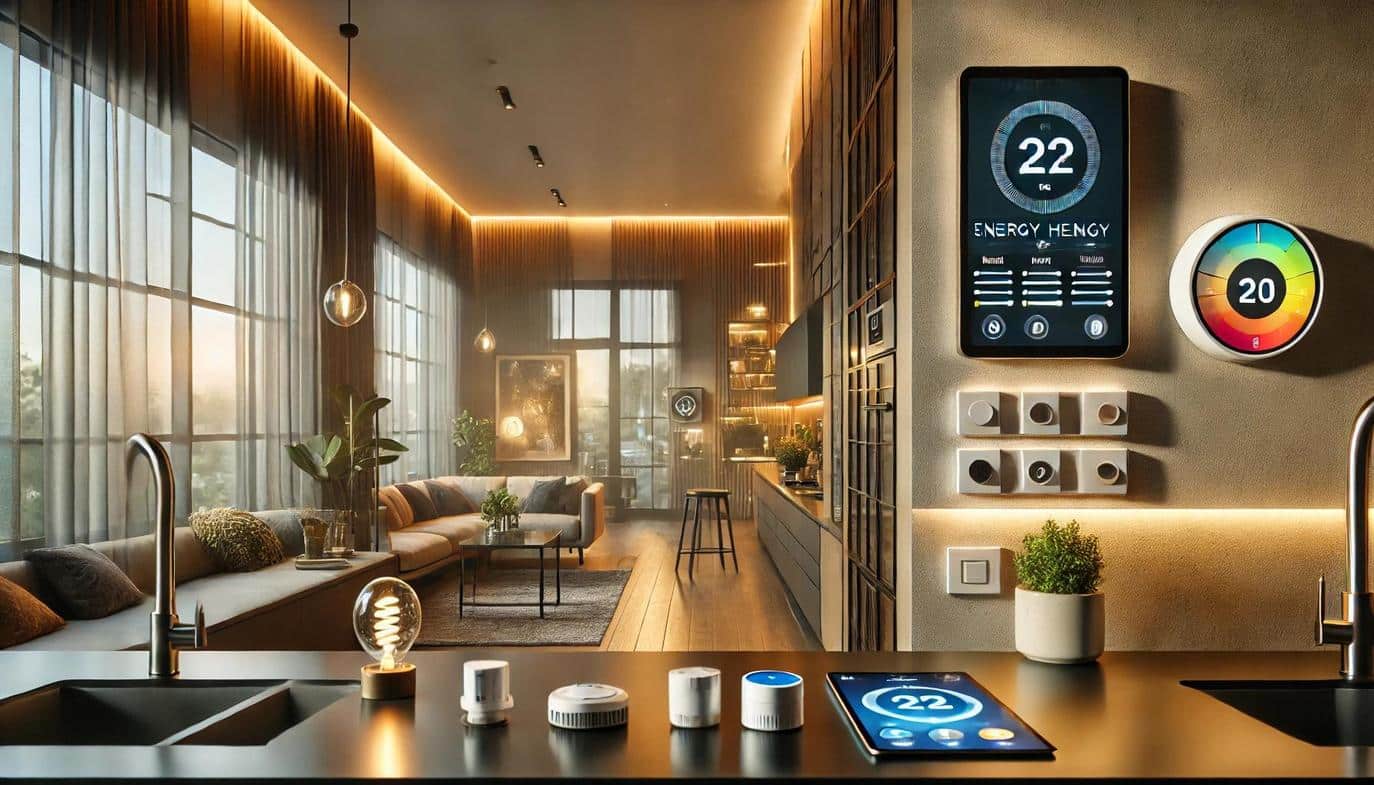
Automation technologies provide granular control over energy expenditure, eliminating waste through precision monitoring. A smart thermostat is one of the easiest devices to add. It adjusts the temperature based on your habits and helps ensure you never heat or cool your home more than needed. Many systems also give you energy reports so you can understand how your home uses power each day. Beyond thermostats, other smart tools automate efficiency throughout the home:
- Motion sensors: Ensure lights deactivate in unoccupied rooms
- Smart plugs: Eliminate ‘vampire power’ draw from idle electronics
- Energy monitors: Track real-time consumption patterns
These tools help you create a space that reacts to your lifestyle and supports lower monthly bills without extra effort.
Sustainable Flooring Solutions for Longevity
Flooring choices dictate thermal mass, acoustic comfort, and long-term durability. Choosing eco-friendly flooring helps you reduce waste and create a long-lasting foundation for your home. Choosing eco-friendly flooring reduces environmental impact while enhancing durability. Top sustainable options include:
- Bamboo: A rapidly renewable resource that rivals hardwood in strength
- Reclaimed Wood: Adds character while repurposing existing timber
- Natural Fiber Carpets: Offer insulation without releasing harmful VOCs
These materials also last for many years with proper care. They help your home stay cooler in warm weather and add better insulation during colder seasons. Sustainable flooring upgrades give your home a stylish look that supports long-term comfort.
High-Performance Window Upgrades
Glazing facilitates natural illumination while regulating thermal transfer between the interior and exterior. Old or poorly sealed windows let heat in during summer and out during winter. Energy-efficient windows reduce this problem because they use advanced glass and tighter seals. If you are not ready for new windows, you can still improve comfort by adding shades, blinds, or thermal curtains. These options block excess heat and help you maintain even temperatures. You can also apply window films that cut glare and reduce UV exposure. Compromised seals and single-pane glass allow unwanted thermal exchange, forcing HVAC systems to overcompensate. Better window solutions make your home feel brighter, quieter, and more stable throughout the year.
Building a Future-Ready Home
Sustainable design is an investment in the longevity of your property and the health of the planet. Every energy-efficient upgrade serves as a building block for a home that is resilient, cost-effective, and deeply comfortable. The true value lies not just in lower monthly bills, but in the peace of mind that comes from responsible living.
As technology advances and green materials become the standard, these early adoptions position your home at the forefront of modern living. By prioritizing efficiency today, you secure a stylish and sustainable environment for years to come.
Sustainability today doesn’t only mean efficient design – for some, it includes living in a country that encourages green investment and social projects. Portugal’s revamped Golden Visa Investment Fund allows investors to support sustainable initiatives as part of their residency application, combining ethical living with long-term lifestyle planning.
Common Questions About Sustainable Home Upgrades
Do eco-friendly upgrades really save money?
Yes, significantly. While some green materials or appliances have a higher upfront cost, the reduction in monthly utility bills often pays for the investment within a few years. Long-term savings on water and electricity are substantial.
What is the most impactful sustainable upgrade I can make?
Improving insulation and sealing air leaks typically offers the highest return on investment for energy efficiency. It directly reduces the workload on your HVAC system, lowering heating and cooling costs year-round.
Are sustainable materials durable?
Absolutely. Materials like bamboo flooring, reclaimed wood, and recycled metal are often more durable than their conventional counterparts. They are designed to withstand wear while minimizing environmental impact.
Can I make my home sustainable without renovating?
Yes. Simple changes like switching to LED bulbs, installing a smart thermostat, and using low-flow water fixtures can drastically improve efficiency without any major construction.
How do smart devices help with sustainability?
Smart devices like thermostats and lighting controls optimize energy use by automatically adjusting settings based on occupancy and time of day. This prevents waste and ensures you only use energy when you actually need it.


