
Roof repair is one of the most critical aspects of maintaining a property, ensuring structural stability and the safety and comfort of those inside. Traditionally, roof work has been known for being time-consuming, labor-intensive, and risky due to the heights and conditions involved. However, advancements in technology are revolutionizing the roofing industry, making the repair process more efficient, accurate, and safe than ever before. From advanced inspection tools to automated solutions, modern technologies are reshaping how roofing professionals tackle both residential and commercial projects.
Partnering with the Right Experts
One of the most significant changes is how property owners now connect with professionals. Working with a roofing company that adopts advanced tools and practices can be the difference between a project completed smoothly and one plagued by delays. Many companies are investing in training their teams to use technology effectively, ensuring that clients benefit from faster service and more accurate results. By combining expert craftsmanship with high-tech solutions, these companies deliver reliable repairs while minimizing disruption to homeowners and businesses.
Drone Technology for Roof Inspections
In the past, inspecting a roof required climbing ladders, walking across sloped surfaces, and conducting visual assessments that left plenty of room for error. Drones have transformed this process entirely. Using high-resolution cameras, drones provide detailed aerial views of roofs, capturing images and video footage that reveal cracks, leaks, missing shingles, and other structural concerns.
Not only does this eliminate much of the risk to workers, but it speeds up the inspection process significantly. A task that once took hours can now be completed in minutes, with better accuracy and less disruption to the property owner. The footage can be stored and compared, allowing for proactive maintenance rather than reactive repairs.
Digital Imaging and Thermal Scanning
Another advancement in roof diagnostics is thermal scanning technology. Roof damage isn’t always visible to the naked eye; water infiltration, for instance, can seep under shingles and insulation, causing hidden structural damage. Thermal imaging cameras detect temperature differences across the roof surface, pinpointing moisture accumulation and insulation issues.
When combined with high-definition digital imaging, thermal scans provide a complete picture of a roof’s health. This level of detail enables roofers to address problems before they escalate, saving property owners from costly repairs in the future. These noninvasive tools prevent unnecessary dismantling, focusing repairs precisely where they are needed.
Smart Materials That Last Longer
Technology is not limited to inspections and diagnostics. Advances in roofing materials themselves have made repairs more durable and environmentally friendly. Modern shingles and membranes often incorporate reflective coatings that reduce heat absorption, improving energy efficiency for homes and businesses. Self-sealing shingles and innovative adhesives make repairs quicker and stronger, ensuring resistance against extreme weather.
Some roofing systems are now embedded with sensors that monitor conditions in real time, providing alerts for moisture intrusion, pressure changes, or temperature fluctuations. These smart systems extend the life of roofs by catching problems early and enabling maintenance teams to intervene promptly.
Software-Driven Project Management
Roof repairs are not just about the physical work; they involve scheduling, budgeting, and communication. Project management software tailored for roofing has become a game-changer in streamlining operations. Contractors can now provide clients with real-time updates, digital estimates, and clear timelines using cloud-based tools.
This level of transparency fosters trust between contractors and clients while reducing miscommunication. Homeowners and building managers can track progress from their devices, while roofers can coordinate seamlessly with their teams, suppliers, and insurance companies. What once required stacks of paperwork and lengthy calls is now managed through user-friendly platforms.
Robotics and Automation in Roofing
While still emerging, robotics and automation are beginning to reshape roof repairs. Automated cutting machines, robotic arms, and even prototype roofing robots are being developed to handle repetitive and dangerous tasks. These technologies reduce human exposure to hazardous conditions while speeding up repair times.
Robots can apply coatings or install shingles with remarkable consistency, ensuring high-quality results. Although human oversight remains critical, automation helps contractors complete larger projects faster and with fewer errors.
Virtual and Augmented Reality for Training
Training roofers to operate safely and effectively has traditionally involved on-site apprenticeships. While hands-on experience is irreplaceable, virtual reality (VR) and augmented reality (AR) are enhancing education in meaningful ways. Roofing professionals can now practice techniques and safety protocols in virtual simulations before stepping onto an actual roof.
This technology reduces the risk of accidents and ensures workers are better prepared for real-life challenges. AR can be used on-site, overlaying digital information on physical environments, helping roofers visualize repair plans, measure distances accurately, and detect hazards in real time.
Enhancing Safety with Wearable Technology
Roofing is inherently risky, with hazards ranging from falls to exposure to extreme weather. Wearable technology such as smart helmets, harness sensors, and GPS trackers is helping keep workers safe. These devices monitor worker movements, track fatigue levels, and alert supervisors to unsafe conditions.
Some wearables even include fall-detection systems that automatically notify emergency services if a user experiences a sudden drop. This quick response capability can save lives while reinforcing a culture of safety across the roofing industry.
Eco-Friendly Innovations in Roof Repair
Sustainability is another area where technology is making an impact. Eco-friendly roofing materials, recycling initiatives, and energy-efficient systems align with broader efforts to reduce environmental footprints. Cool roofs that reflect sunlight, green roofs with vegetation, and solar-integrated systems are now options that combine aesthetics with long-term savings.
By integrating these sustainable choices into repair strategies, roofing companies extend the life of roofs and contribute to greener communities. Property owners benefit from reduced energy bills and an enhanced environmental reputation.
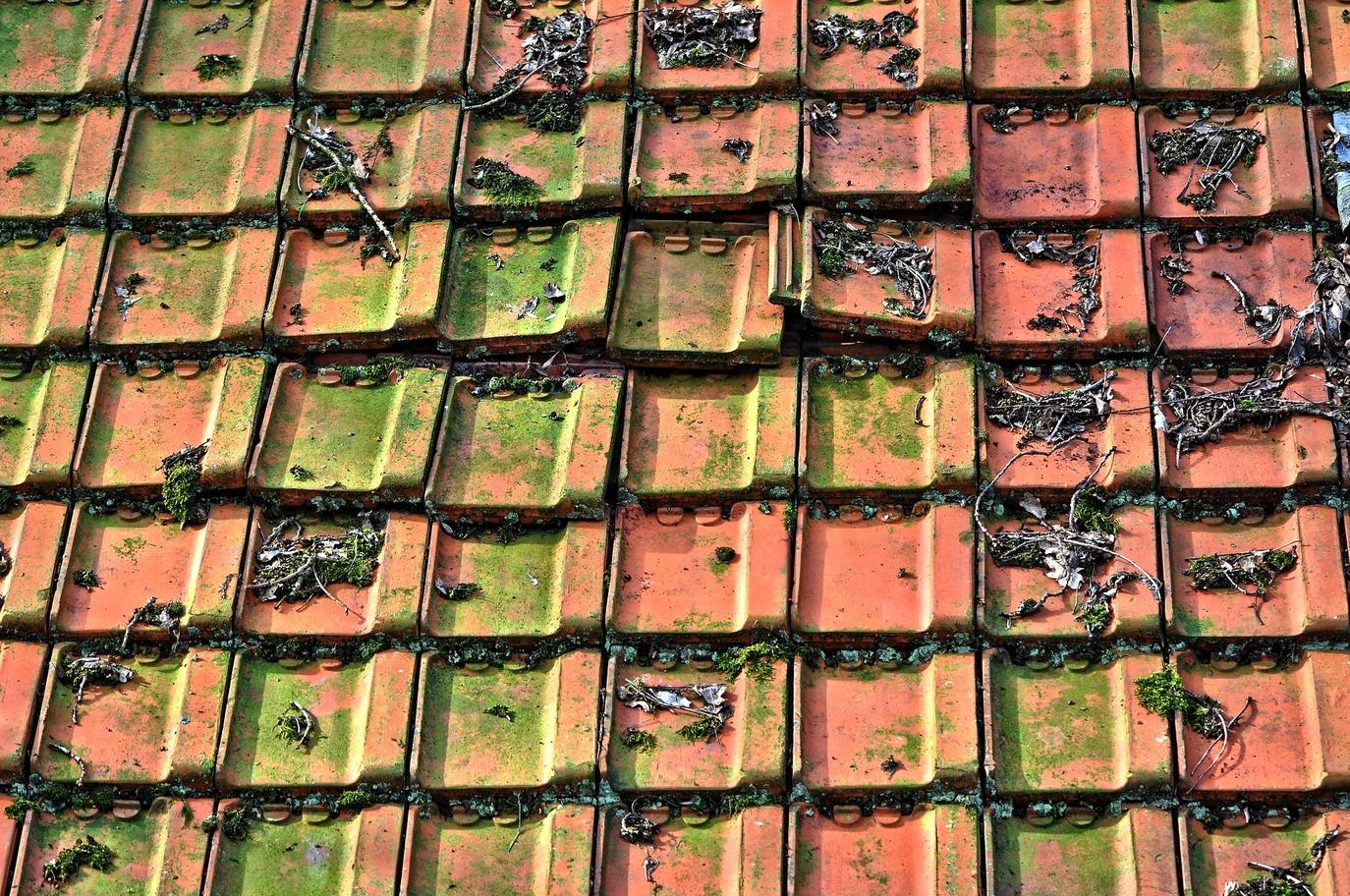
Technology is transforming roof repairs into a faster, safer, and more precise process. From drones and thermal imaging to smart materials and robotics, innovations are addressing both age-old challenges and new demands for sustainability. For property owners, choosing contractors who embrace these tools ensures peace of mind, knowing that their investment is protected by cutting-edge solutions.
Roofing may remain a physically demanding trade, but technology is paving the way for a future where safety, efficiency, and durability go hand in hand. As advancements continue, both homeowners and professionals can expect better outcomes, proving that technology is not just improving roofs; it is redefining the very foundations of the industry.

