
Breast cancer is the top cancer in women worldwide according to WHO, causing millions of deaths a year. It’s the second leading cause of death for women in the United States. The whole experience from the moment of diagnosis through treatment costs tens or hundreds of thousands of dollars and non-quantifiable amounts of emotional stress for the patient and their families. All in all, a breast cancer diagnosis is devastating for the woman and their loved ones. Which is a feeling that Higia Technologies’ co-founder and CEO Julián Ríos Cantú is unfortunately very familiar with.
Cantú’s mother is a two-time breast cancer survivor. The first time she was diagnosed he was 8 years old and the second time he was 13. The second time around the doctors had misdiagnosed her because the standard screening didn’t catch the tumor. Her high breast density obscured the tumors from the X-ray and because of that it got worse and she ended up losing both her breasts, but she lived.
At that point, Cantú realized that although his mom was able to get the medical procedure done just in time, this may not be the reality for numerous other women who don’t have the privilege of affordable and accessible healthcare. He said:
At that moment I realized that if that was the case for a woman with private insurance and a prevention mindset, then for most women in developing countries, like Mexico where we’re from, the outcome could’ve not been a mastectomy but death.
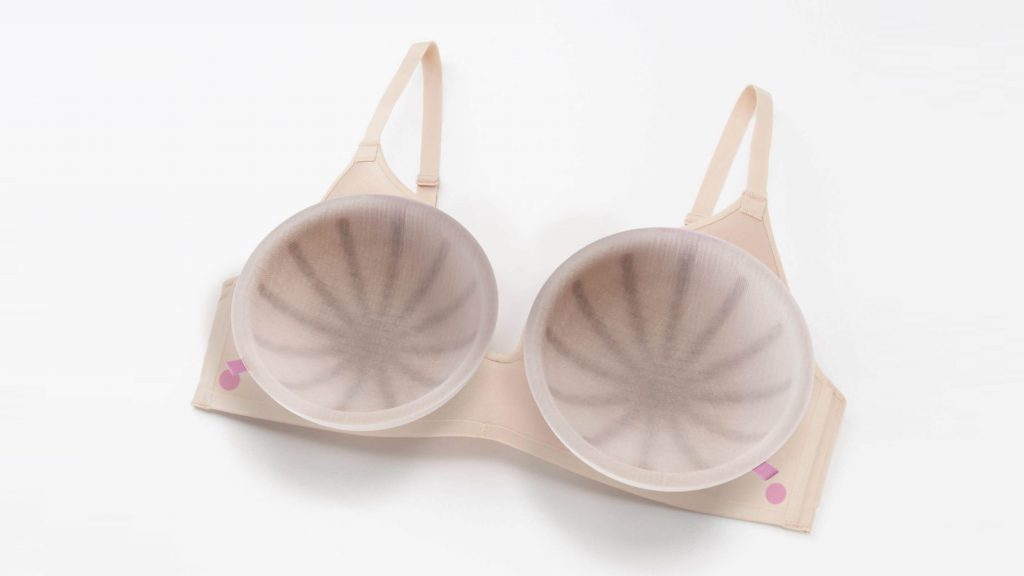
His revelation led him to come up with a way to improve the value of women’s lives and at the age of 18, he developed a device to support them in identifying breast abnormalities and cancers early in order to ensure the highest likelihood of survival. This special device he called Eva – a “bio-sensing bra insert” that creates a thermal map of a patient’s breasts through the use of thermal sensing and artificial intelligence. Cantú says that “EVA is not only an easy tool for self-screening but also fills in gaps in current screening technology.”
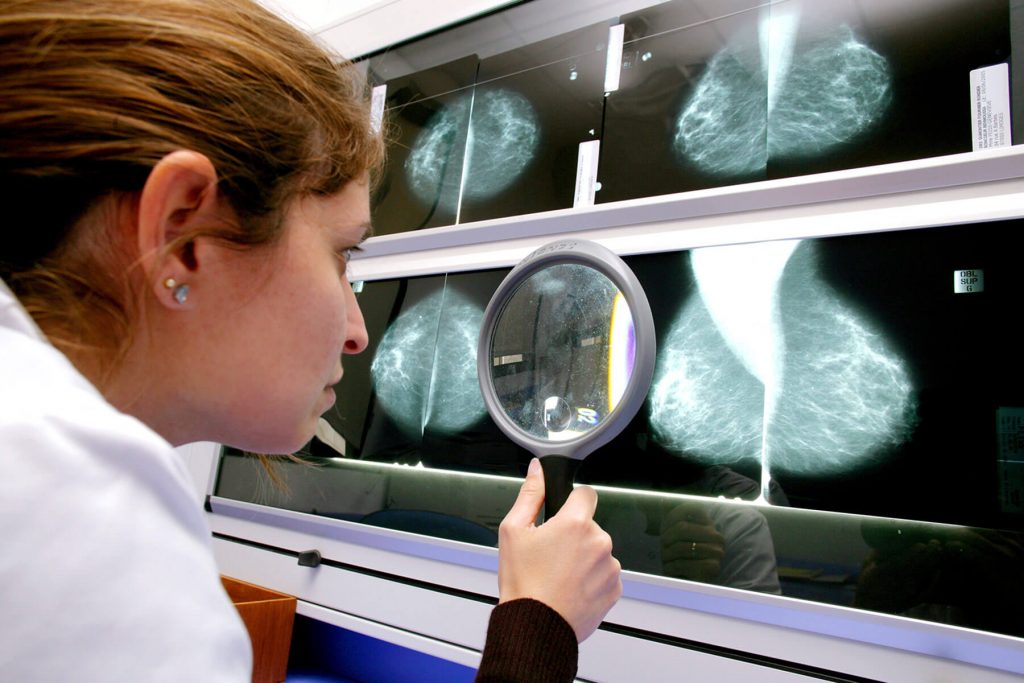
Women in the world today have fairly limited options for early detection. They can either opt for a breast ultrasound (which has lower specificity than other options), or a breast MRI (which has higher associated costs). Women under 45 cannot receive mammograms due to radiation exposure, while those over the age of 45 that can receive mammograms may not be able to because it is too expensive or a medically unviable affair.
In the end, whichever option a woman chooses (or can do) it’s typically a once a year ordeal. She has to go out of her way to visit a doctor, then has to deal with the discomforts of manual manipulation of the breasts by a technologist and exposure to low-levels of radiation for an X-ray scan of the breast tissue. In the end, that checkup only once a year may not even be enough. A month after that yearly doctor visit she may get cancer and by the time she goes back to her routine checkup months down the line, it’s too late.
Eva helps solve all these problems. The technology does not emit any radiation, women of all ages are eligible to use it, and they can regularly monitor the health of their breasts comfortably unexposed and can catch any abnormalities in time to act fast.
How it works:
- The user inserts the thermal sensing cups (which come in three standard sizes ranging from A-D) into a sports bra.
- Next, they open EVA’s associated EVA Health App, follow the instructions, and wait for 60 minutes while the cup collects thermal data.
- From there, EVA will send the data via Bluetooth to the app and an AI will analyze the results to provide the user with an evaluation.
- If EVA believes the user may have an abnormality that puts them at risk, the app will recommend follow-up steps for further screening with a healthcare professional.
Eva has undergone testing in Mexico. The results saw 87.9% sensibility and 81.7% specificity from the device.
The official website reads:
Eva’s technology is approved by the FDA as an adjunct method for breast cancer detection in section 884.2980 Teletermographic Systems. Similarly, Eva Clinic operates under the highest ethical standards, strictly following the Official Mexican Standard NOM-041-SSA2-2011, for the prevention, diagnosis, treatment, control, and surveillance of breast cancer.
In 2017, Cantú’s innovative technology earned him Mexico’s Presidential Medal for Science and Technology, and then in the summer of 2018, he received a $120,000 investment from Y Combinator in order to fund his project. The company has also won first place in SXSW’s International Pitch Competition and was named one of “30 Most Promising Businesses of 2018” by Forbes Magazine Mexico.

The company has already sold 5,000 devices in Mexico and plans to begin shipping the first several hundred by October 2019. The cost is yet to be disclosed but Cantú says he wants the product to be as affordable and accessible as possible so it can be the first choice for women in developing countries where preventative cancer screening is desperately needed. Earlier reports suggested that they would try to sell the device for $120.


