
Renting a home involves a delicate balance of responsibility between the resident and the property owner. While you expect a space that functions properly, owners anticipate that their investment will remain in good condition throughout the duration of the lease. This intersection of interests often leads to significant tension when the time comes to return keys and settle the security deposit, particularly when defining what constitutes fair use of the property.
Clear boundaries are essential to preventing financial surprises during the move-out process. Most conflicts arise not from intentional damage, but from a fundamental lack of clarity regarding the slow, natural aging of household fixtures versus avoidable neglect. Gaining a firm grasp of these distinctions allows you to navigate the end of your tenancy with confidence, ensuring that your financial rights remain protected while respecting the property’s long-term value.
One question that frequently surfaces is whether a landlord should ever charge for these minor changes. This article addresses these major concerns, discussing how tenants can safeguard their security deposits and the distinction between typical wear and tear and intentional damage by the tenant.
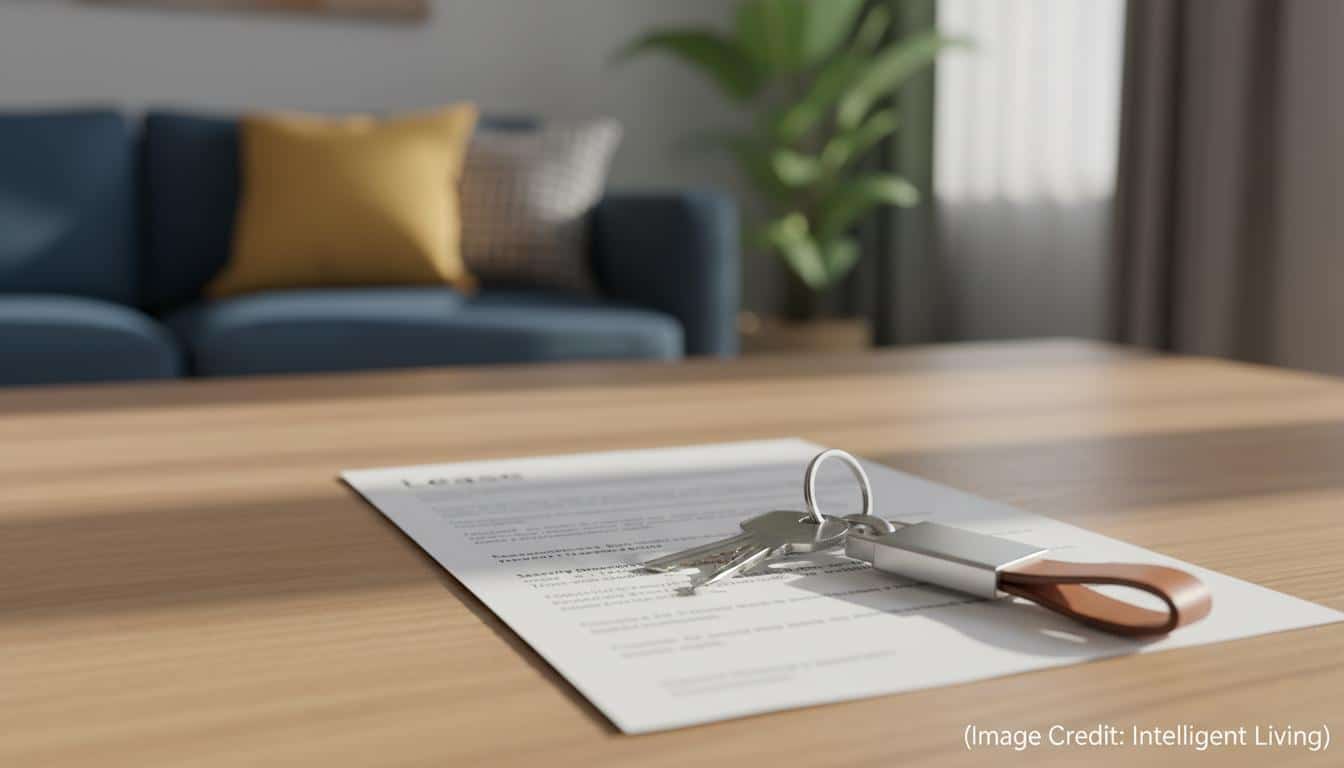
Understanding the Root of Security Deposit Disputes During Move-Out
Property owners and residents often find themselves at odds when defining the boundaries of fair use on normal wear and tear. Lease agreements frequently overlook specific definitions for property aging. This absence of a clear benchmark makes it difficult to distinguish between unavoidable deterioration and preventable damage. These conflicting interpretations of a home’s condition frequently result in heated disagreements during the final inspection.
Most renters expect the property’s condition to be judged fairly against its state at the start of the lease, accounting for the number of residents and the age of the fixtures. Long-term residents might perceive the slow decline of a fixture as a natural process, whereas a landlord could classify that same change as the result of poor upkeep.
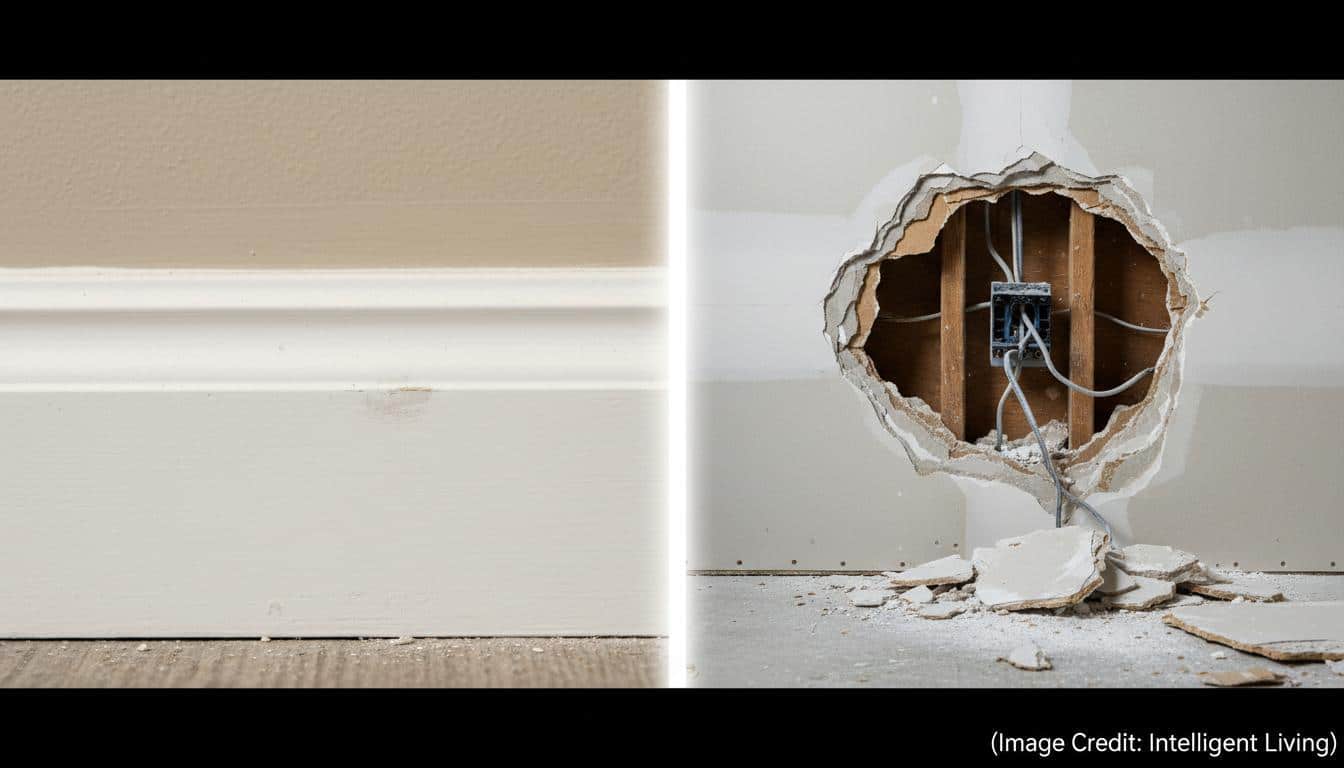
Identifying the Distinction Between Normal Wear and Tenant Damage
Natural aging stems from the inevitable breakdown of materials through daily life. Conversely, damage arises from careless habits or deliberate acts that surpass the expectations of a responsible renter. While landlords may charge for repairs for tenant-caused damages, they cannot deduct normal wear and tear from a tenant’s security deposit.
Common Examples of Expected Property Aging
Spotting the subtle indicators of an aging property allows you to tell the difference between fair use and true neglect. You might notice various items reaching the end of their lifespan through everyday use.
- Faded paint jobs caused by sun exposure or age.
- Worn, bare carpet in high-traffic hallways.
- Small scuffs on baseboards from vacuuming.
- Naturally thinning enamel on older sinks.
Specific instances of damage go beyond the scope of fair use. For example, shattered windows or doors torn from their hinges are never considered normal wear. Other problems point toward misuse rather than the passage of time. These complications generally stem from sudden impacts or a total absence of routine maintenance involving a large hole in the wall, animal stains on the carpet from pets, and broken parts on appliances.
Common signs of age include faded wallpaper, peeling or cracked ceiling paint, and small nail holes. You might also notice cabinet doors that stick or hardwood floors naturally losing their varnish over time.
Recognizing Natural Deterioration in Wet Areas and Fixtures
Bathrooms often show signs of use through thinning carpet, rusted shower rods, or loose tiles. Structural shifts can even cause windowpanes to crack or enamel to wear down slightly.
Tenant-caused damage involves significant impacts like gouged hardwood flooring or ruined wallpaper. You are also liable for holes in plasterboard, crayon markings, or unauthorized paint colors. Additionally, shattered windows, doors torn from hinges, and blocked toilets from improper use constitute clear damage.

Proactive Strategies for Safeguarding Your Rental Security Deposit
Safeguard your finances by recording the property’s condition in detail the moment you receive your keys. Adhering strictly to the cleaning requirements in your lease also serves as a critical defense against deductions.
Taking pictures or videos of the unit at various times is a vital first step. It is also beneficial to have a checklist signed during move-in to document pre-existing issues. You can use this same list when you move out by completing a joint walk-through with the landlord. This creates firm evidence to contest any unfair deductions from your deposit.
Maintaining Maintenance Records and Cleaning Standards
Submitting maintenance requests in writing immediately prevents small problems from turning into expensive move-out liabilities.
Additionally, ensure the entire home is cleaned thoroughly to comply with “broom-clean” standards. Focusing on high-use areas like kitchens can prevent excessive dirt-related fees during inspection. Always document contested charges in writing. When questioned, support your position with evidence to negotiate a resolution or prepare your claim for small claims court. Researching your specific state statutes is equally vital, as numerous regions strictly forbid charging residents for routine property aging.

Navigating Tenant Rights for Fair Move-Out Settlements
Successful transitions from a rental property depend on proactive documentation and open communication with your landlord. By treating the space with care and keeping detailed records from the day you move in, you significantly reduce the likelihood of facing unjust charges for the natural aging of the home. Remember that the law generally protects you from paying for the inevitable deterioration of items like carpets and paint, provided you have utilized the space as intended.
Holding onto your full security deposit requires a combination of common sense and a baseline knowledge of local housing regulations. When both parties approach the move-out process with a clear set of definitions for property condition, the potential for stressful legal disputes or small claims filings drops dramatically. Focus on the details early in your lease to ensure a smooth, equitable exit that respects both your budget and the landlord’s asset.
Essential FAQ on Rental Property Maintenance and Deposits
Does painting the walls count as damage?
If you paint walls a different color without written permission from the owner, it is usually classified as damage because the landlord must pay to restore the original appearance.
Are small nail holes considered normal wear?
Most jurisdictions view a reasonable number of small pin or nail holes from hanging pictures as normal wear and tear that should not result in a deposit deduction.
Can a landlord charge for professional carpet cleaning?
Landlords generally cannot charge for routine steam cleaning unless the lease explicitly requires it or the carpet has sustained unusual stains or normal wear and tear beyond typical foot traffic.
What happens if I break an appliance by accident?
Accidental damage, such as shattering a glass stovetop or breaking a dishwasher handle, is typically the tenant’s financial responsibility rather than normal wear.
How long does a landlord have to return a deposit?
The timeframe varies by state, but most landlords are required to return the security deposit or an itemized list of deductions within 14 to 30 days of move-out.

