
When it comes to hormone therapy, especially testosterone treatment, there’s no one-size-fits-all solution. From injections and gels to patches and pills, each method comes with its own pros and cons. Choosing the right method depends on your lifestyle, health goals, and doctor’s recommendations.
Injection therapy works well for many people because of its strength and long-lasting effects, but always talk to a medical professional first to get tested and make a safe, effective plan. It’s wise to perform a thorough background study to find out where to buy testosterone injections and also receive a professional consultation.

Option 1: Understanding Testosterone Injections
Pros
Fast and Effective Absorption
While results from Testosterone Replacement Therapy (TRT) are not immediate, you can typically expect to notice improvements along the following timeline:
- 3-6 Weeks: You may experience a return of your sex drive and relief from symptoms of mood swings or depression.
- 3-4 Months: Expect to see an increase in energy levels and positive changes in body composition, such as less body fat and increased muscle strength.
Long-Lasting Results with Fewer Doses
You have the option of receiving long-acting testosterone, but this depends on each individual patient. Long-lasting injections may be 10 weeks apart.
Often More Affordable Over Time
On average, testosterone injections cost between $30 and $150 per month, making them a highly affordable option. Creams may cost as much as $200 to $500 per month, pellet therapy may cost as much as $500 to $1,500 every three to six months, and patches may cost as much as $200 to $400 per month.
Cons
Requires a Needle (Self-injection or Clinic visit)
Some patients experience pain with testosterone injections. Because testosterone is formulated in an oil-based solution, it requires a larger needle for administration. Also, as the solution enters the body, it causes inflammation and pressure in the muscle tissue. This may cause pain for several days after the injection.
Hormone Levels Can Spike and Dip Between Doses
Your testosterone levels can peak after an injection, typically between 24 and 72 hours. Following this peak, your levels will begin to decline over the next three to seven days.
Must Be Done On Schedule to Remain Balanced
Between one and two weeks after the injection, your testosterone levels return to their normal baseline levels. This is why you must remain on a schedule to keep your levels at the most optimal levels.
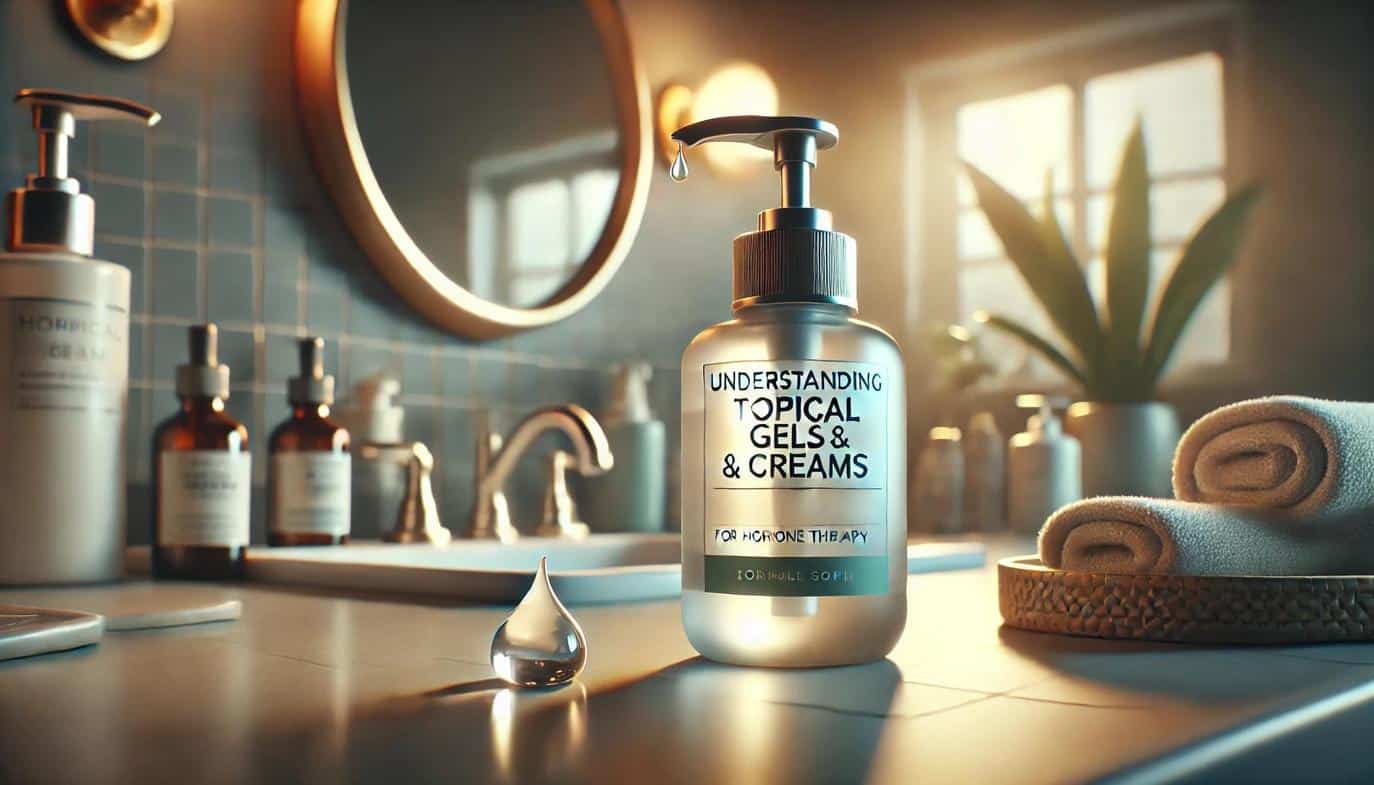
Option 2: Understanding Topical Gels and Creams
Pros
Easy to Use
You do not require the assistance of a medical professional.
No Needles
No needles are required. You only need to rub the cream into your abdomen, upper arms, or shoulders.
Steady Hormone Absorption
The top layer of the skin acts as a reservoir, allowing the hormone to be absorbed slowly and steadily over a long period. As a result, your testosterone levels remain stable while the cream is on your skin.
Cons
Must Be Applied Every Day
To maintain consistent hormone levels, establishing a routine of applying it at the same time each morning is recommended.
Risk of Transferring to Others Through Skin Contact
There is a significant risk of transferring testosterone to others through skin contact, which can cause unwanted side effects, particularly in women and children:
- For Women: Accidental exposure can lead to acne, the growth of body hair, and increased androgen (male hormone) levels.
- For Children: Exposure can trigger early puberty and may lead to increased aggression.
Can Irritate the Skin for Some People
The cream may cause skin redness or irritation. If you experience redness or irritation, mention it to your doctor immediately.
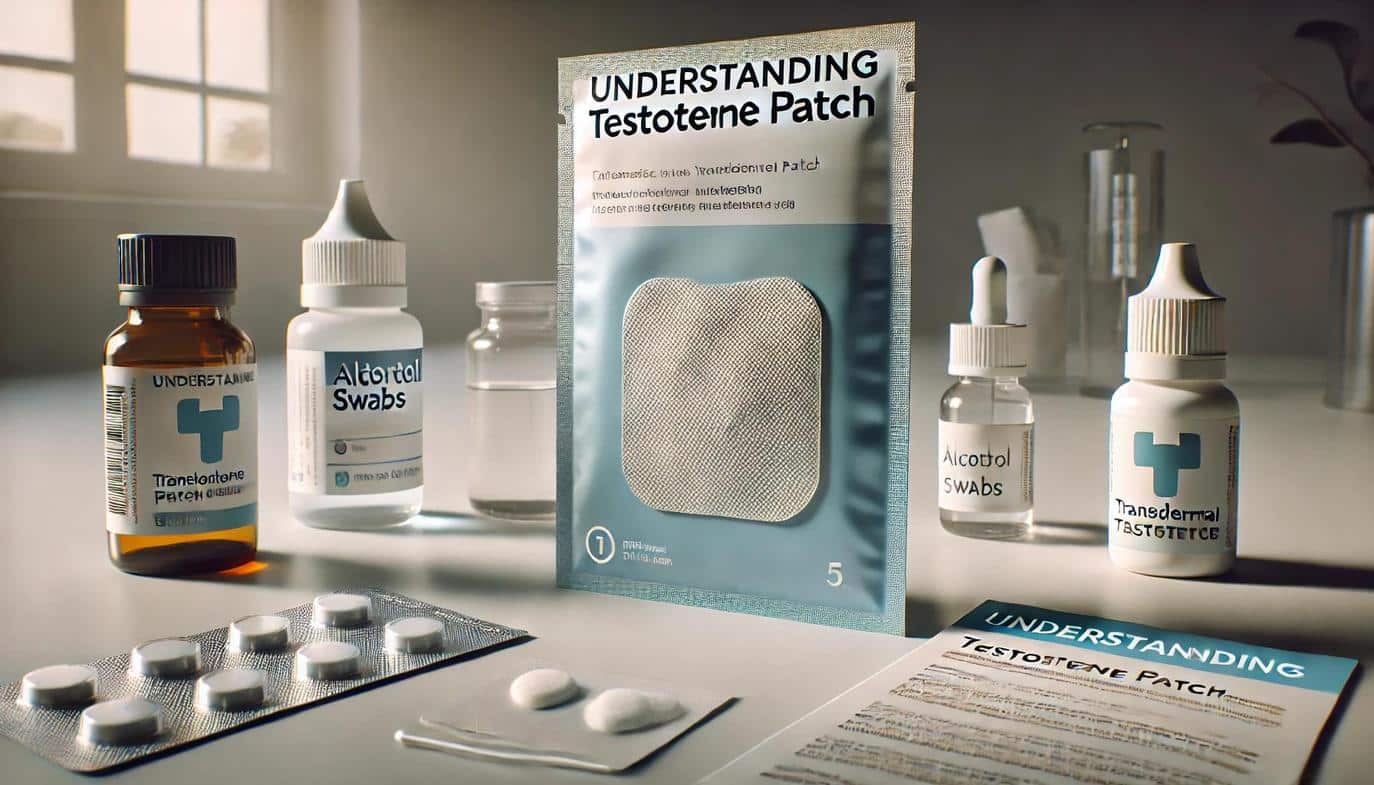
Option 3: Understanding Testosterone Patches
Pros
Maintains Steady Hormone Levels
Patches release testosterone steadily throughout the day, so they do not cause the peaks that injections cause.
Discreet and Easy to Use
Patches are small, and you can place them where they will not be visible to other people.
Cons
Can Cause Skin Irritation or Fall Off
In most cases, people tolerate the patches well, but they can cause irritation or fall off. Mention the irritation to your physician if it does not go away promptly.
Less Effective for People with Higher Hormone Levels
Testosterone patches are designed primarily to treat clinically low testosterone levels and may not be effective for individuals with normal or high baseline levels.

Option 4: Understanding Oral Pills and Tablets
Pros
No Mess and No Needles
Pills and tablets are simply placed in your mouth and swallowed with water. There is no mess, and there certainly isn’t any need for needles.
Convenient for Travel
It’s also easy to travel with your bottle of pills or oral tablets.
Cons
Can Stress the Liver with Long-term Use
The liver metabolizes oral tablets, which can lead to increased liver stress, elevated enzymes, and, in some cases, potential toxicity with long-term use.
May Not Provide Strong and Stable Results
The effectiveness and stability of results from pills and oral tablets can vary significantly by individual.

Making the Right Choice for Your Hormone Therapy
Selecting the right testosterone therapy is a personal decision that involves weighing the unique pros and cons of each hormone therapy method:
- Injections: Offer potent, long-lasting results at a lower cost but involve needles and potential hormonal fluctuations.
- Gels and Patches: Provide steadier hormone levels without needles but require daily application and carry risks of skin irritation or accidental transfer.
- Pills: Offer convenience but may stress the liver and provide less stable results.
Ultimately, there is no single “best” option for everyone. The ideal choice depends on your specific health profile, lifestyle, budget, and personal comfort level with each method. For some individuals, exploring options like online testosterone therapy may be an appealing and convenient choice. The most critical step is to have a thorough discussion with a medical professional who can help you navigate these options and create a safe, effective treatment plan tailored to your needs.
Frequently Asked Questions About TRT Options
Which testosterone therapy method is the most effective?
Effectiveness depends on individual needs. Injections offer potent, fast absorption but can cause hormonal fluctuations. Gels and patches provide steadier levels but require daily application. A discussion with your doctor is the best way to determine the most effective option for you.
Are testosterone injections painful?
Some patients experience pain because testosterone is oil-based and requires a larger needle, which can cause temporary inflammation. However, many find the discomfort manageable in exchange for the long-lasting results.
What is the biggest risk with testosterone gels or creams?
The primary risk is accidentally transferring the hormone to others through skin contact, which can cause unwanted side effects in women and children. Careful application and hygiene are essential to prevent this.


