
If you’re a beginner gardener, the prospect of planting flowers might seem both exciting and daunting. But fear not! Planting flowers can be a rewarding and enjoyable experience, even for those new to gardening. From choosing the right flowers to tending to their needs, you’ll soon discover that planting flowers is an accessible and gratifying endeavor.
Selecting the Right Flowers
Choosing the right flowers is the first and crucial step in creating a beautiful garden. If you’re thinking of growing perennials, you’ll enjoy the benefit of these plants returning year after year, requiring less replanting and maintenance compared to annuals. Different flowers thrive in different climate zones. Determine your USDA hardiness zone, and then choose flowers that are well-suited to your specific region. This will increase your chances of success and make maintenance easier.
Consider Sunlight and Soil
Pay attention to the amount of sunlight your garden receives throughout the day. Different flowers have varying light requirements, so select those that match the conditions in your garden. Additionally, assess your soil type and amend it if necessary to ensure proper drainage and nutrient content.
- Sunlight Requirements: Choose flowers that match the sunlight conditions in your garden. Some flowers, like sunflowers and marigolds, thrive in full sun, while others, such as hostas and impatiens, prefer shade. Knowing your garden’s light patterns is crucial for selecting the right plants.
- Soil Testing: Conduct a soil test to understand your soil’s pH and nutrient levels. Many flowers prefer well-drained, slightly acidic soil. If your soil is not ideal, you can amend it by adding compost, organic matter, or specific soil conditioners to create the optimal environment for your chosen flowers.
Planting and Maintenance
Once you’ve chosen your flowers, it’s time to plant and care for them. Follow the planting instructions on the flower’s tag or seed packet carefully. Planting depth can vary, so be sure to dig the right-sized hole and place your flowers at the correct depth to promote healthy growth.
Watering and Mulching
Water your flowers consistently, but avoid overwatering as this can lead to root rot. Applying a layer of mulch around your plants helps retain moisture, suppress weeds, and regulate soil temperature.
Dealing with Common Issues
As a beginner gardener, you may encounter common issues that can affect your flowers. Knowing how to identify and address these problems is essential:
Pests and Diseases
Keep an eye out for common garden pests and diseases like aphids, snails, or powdery mildew. Regularly inspect your plants, and if you notice any issues, take prompt action using organic or chemical solutions.
Pruning and Deadheading
Regularly prune your flowers to encourage new growth and remove spent blooms. This will help your garden maintain its vibrant appearance throughout the growing season.

Providing Proper Care
Now that you’ve planted your flowers, it’s essential to provide them with the care they need to thrive. Here are some essential care tips to keep your garden in top shape:
Fertilization
Most flowers benefit from occasional fertilization to ensure they have the nutrients they need for robust growth and prolific blooming. Choose a balanced, slow-release fertilizer and apply it according to the package instructions. Avoid over-fertilizing, as this can harm your plants.
You need to research the best fertilizer for Zoysia grass if you want the effects to be long-lasting and support this grass’s unique growth patterns. Choosing a fertilizer specifically suited for Zoysia can help maintain its lush, dense appearance and improve its resistance to drought and foot traffic.
Regular Maintenance
Make it a habit to inspect your garden regularly. Remove any dead or yellowing leaves, as these can attract pests and diseases. Weeding is also essential to prevent unwanted plants from competing with your flowers for nutrients and space.
Watering Schedule
Be mindful of your flowers’ water needs. Deep, infrequent watering is usually better than shallow, frequent watering, as it encourages deep root growth. Early morning is the best time to water, as it allows the foliage to dry before evening, reducing the risk of fungal diseases.
Inviting Beneficial Wildlife
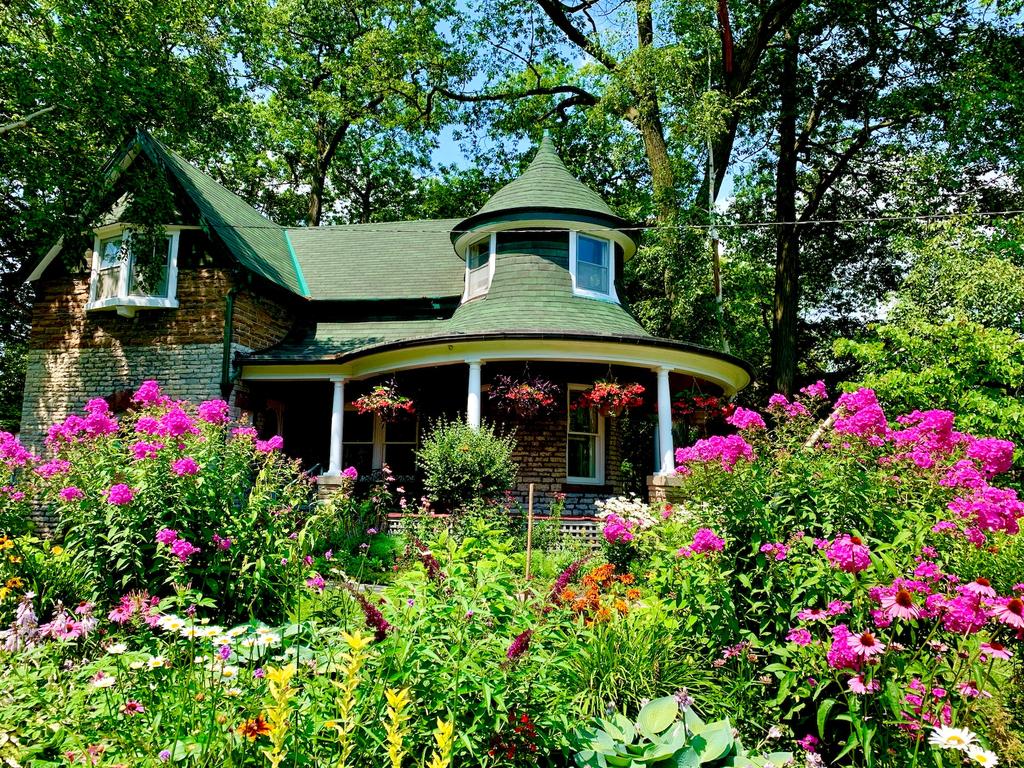
A flourishing garden is not just about vibrant flowers but also about creating a welcoming habitat for beneficial wildlife. Encourage pollinators like bees and butterflies by planting nectar-rich flowers. You can also set up bird feeders and bird baths to attract feathered friends that help control pests in your garden.
- Plant Nectar-rich Flowers: Choose flowers like lavender, coneflowers, and bee balm that provide nectar for bees and butterflies. These pollinators play a vital role in the ecosystem and help your garden flourish.
- Create Habitat Spaces: Add birdhouses and nesting boxes to your garden to provide shelter for birds. You can also incorporate rocks and logs to create hiding spots for beneficial insects like ladybugs and spiders.
- Provide Food Sources: In addition to bird feeders, consider planting fruit-bearing trees and shrubs. Berries and fruits will attract a variety of birds and wildlife, ensuring a balanced and thriving ecosystem in your garden.
- Watering Stations: Set up bird baths with clean water to offer a source of hydration for birds and other creatures. Freshwater will not only help them but also add a charming feature to your garden.

Seasonal Considerations
Understanding the changing seasons is crucial for maintaining your flower garden. Different flowers bloom at different times, so plan your garden with this in mind. Consider planting a variety of flowers to ensure a continuous display of colors and scents throughout the year.
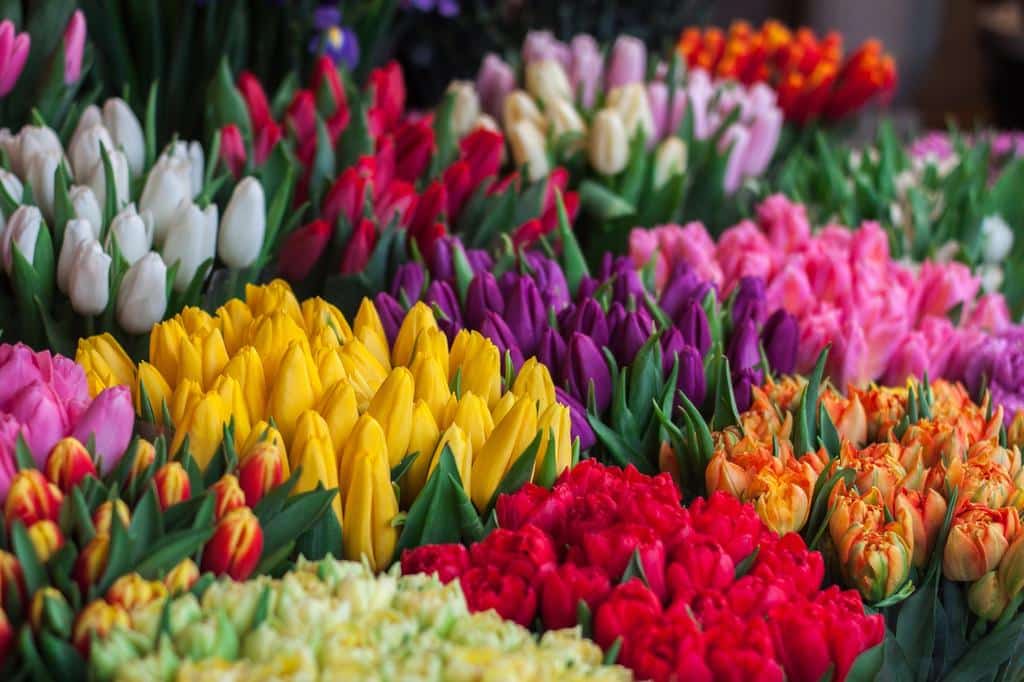
- Spring Blooms: Select early-blooming flowers like tulips, daffodils, and hyacinths to usher in spring’s vibrant colors. These flowers thrive in cooler temperatures and can be planted in the fall for a breathtaking display in spring.
- Summer Splendor: Fill your garden with sun-loving flowers such as roses, marigolds, and zinnias for the summer months. These blooms can endure the heat and provide a lively atmosphere during the hottest part of the year.
- Fall Foliage: As autumn arrives, opt for flowers like chrysanthemums and asters, which add a burst of color to your garden as other plants begin to wither. Fall-blooming flowers embrace the crisp, cool air.
- Winter Interest: To maintain visual interest during the winter, consider evergreen plants and ornamental grasses. These sturdy plants add structure and texture to your garden, even in the coldest months.
Enjoy Flower Gardening
As a beginner gardener, the world of flower gardening may seem overwhelming at first, but with the right knowledge and approach, you can create a stunning garden that brings joy and beauty to your outdoor space. Select the right flowers for your region, provide proper care, and stay attuned to the changing seasons. Don’t be discouraged by occasional setbacks, as they are part of the learning process. Gardening is a rewarding and therapeutic hobby that can become a lifelong passion.


