
Years ago people considered sustainable construction a trend, but due to climate changes and concerns over the years, it became a necessity. Many architects, builders, and homeowners are turning to eco-friendly materials in an attempt to reduce environmental impact.
But if you are thinking that you need to make any compromise regarding durability and functionality, you are wrong. Here are five innovative materials that are reshaping the construction industry.
1. Recycled Steel
Maybe you are thinking, “Steel, wow, what’s new?”. And you are right! But that isn’t a point. The point is that this material is still in use but in a different way. Recycled steel is taking sustainability to the next level.
And if you are wondering what the difference is, here is a simple explanation. Recycled steel requires significantly less energy to produce compared to new steel, reducing carbon emissions. Two things remain the same: its strength and versatility!
It is the best choice for framing, roofing, and structural components. Recycled steel, including steel trusses, which are often used for constructing durable and sustainable buildings, is a popular choice in many states of the United States.
In Arkansas, steel trusses are primarily used for building barns, agricultural buildings, and even homes. That’s because steel trusses are very durable; they’re weather-resistant and very energy-efficient.
In Texas, steel trusses are in high demand for both commercial and residential projects (e.g., warehouses, carports, modern homes, etc.). This is because of the excellent heat resistance of steel, as well as its long-lasting performance. If you’re looking for a durable and reliable solution, check out this carport for sale to meet your needs!
In the state of Louisiana, you’ll see steel trusses used mostly for raising homes and storage structures because of the high flooding that is common throughout the area. Additionally, steel typically undergoes coating, which enhances its resistance to humidity, corrosion, and heavy rainfall.
If you need to describe steel trusses in two words, it would be practicality and sustainability.
2. Bamboo
Did you know that bamboo is growing up to 39 inches in a single day under ideal conditions? This fact makes him a rapidly renewable resource. It is a very popular choice for flooring, cabinetry, and even structural elements thanks to its natural strength and flexibility.
When it comes to aesthetics, it is the perfect material to use if you want to achieve a warm, natural look in any space.
Eco-conscious builders love bamboo because it is a perfect blend of sustainability and style. In states like California, Florida, and Georgia, demand for sustainable designers is high, and accordingly, the use of materials such as bamboo is growing.
3. Insulated Concrete Forms (ICFs)
When it comes to materials that are used in regions with extreme weather conditions, like Colorado, Minnesota, or Arkansas, ICFs are a popular choice because of their ability to combine functionality with eco-friendliness. ICFs are also offering long-term energy savings and durability.
But, in order to understand better why this is a great choice, here is a simple explanation of what ICFs are. ICFs are interlocking modular units made from polystyrene foam or similar materials. Concrete fills them, creating a durable, energy-efficient barrier that lowers heating and cooling costs.
But their functionality is not the only reason this material is so popular; it is also their adaptability to a variety of architectural styles.
4. Reclaimed Wood
Using reclaimed wood is important for sustainable building because it reduces the demand for newly harvested timber and keeps usable materials out of landfills. If you want to add sustainability to your home, reclaimed wood is a great choice. You will also get a unique character and history, which adds charm to your space.
When it comes to popularity, it is highly valued in regions like Pennsylvania, North Carolina, and Arkansas, where home design lies in a blend of rustic and modern design elements.
5. Green Roof Systems
Green roofs are the ideal choice for urban environments where green space is limited. Vegetation covers them, providing insulation that reduces urban heat and improves air quality. The best benefit of this solution is that green roof systems have both aesthetic and environmental benefits.
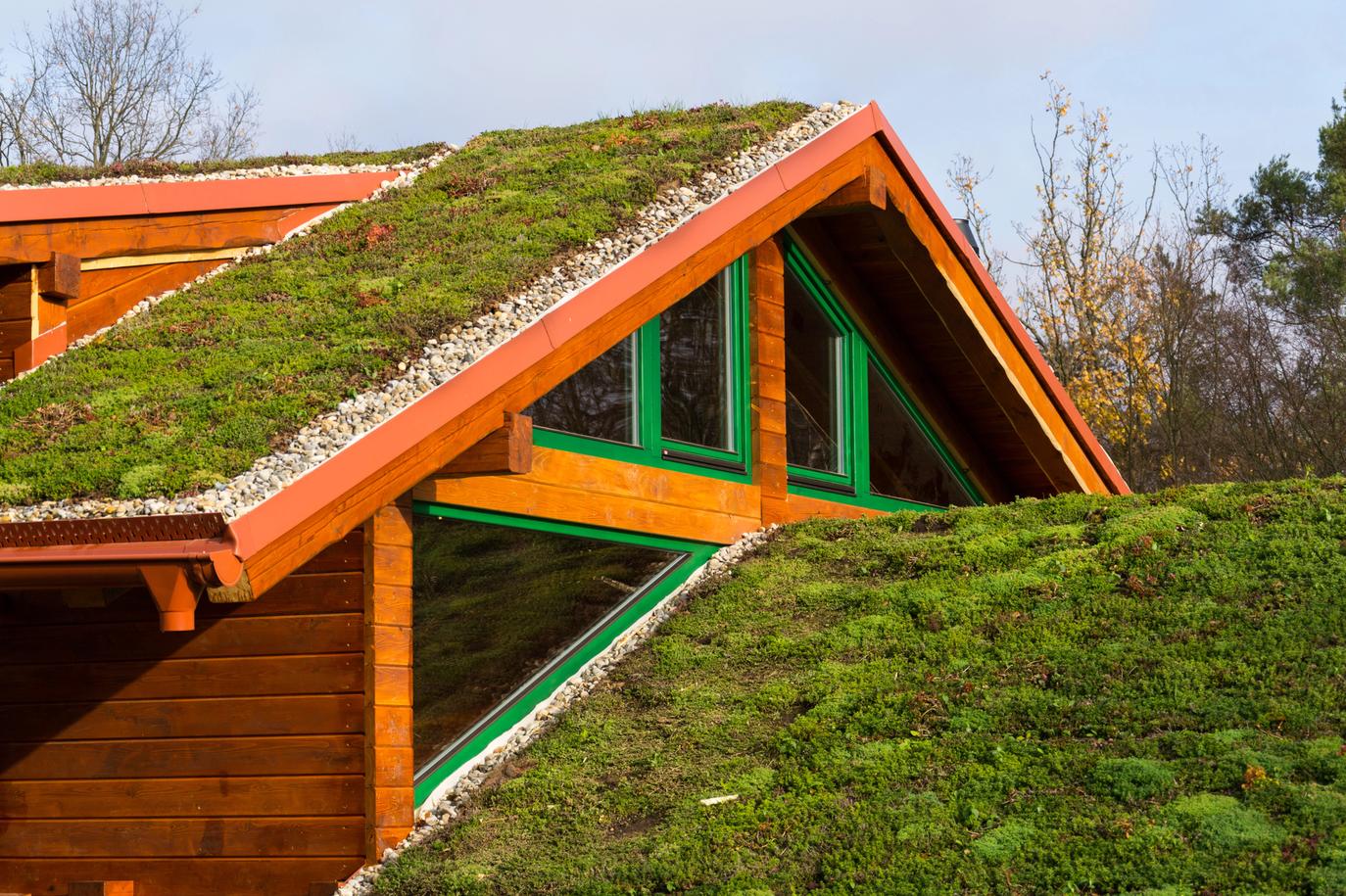
Green roof systems are becoming more popular in cities across Illinois, New York, and California.
Comparing Eco-Friendly Building Materials
For better understanding and comparing top benefits and usage of eco-friendly materials, here are their primary benefits and use cases.
| Material | Primary Benefit | Use Case |
| Recycled Steel | Low energy production, durability | Structural components, trusses |
| Bamboo | Rapid Renewability, flexibility | Flooring, cabinetry, decor |
| Insulated Concrete Forms | Energy efficiency, resilience | Walls, insulation, barriers |
| Reclaimed Wood | Sustainability, unique character | Flooring, beams, furniture |
| Green Roof Systems | Urban cooling, insulation | Roofs, urban biodiversity |
Conclusion
In a sustainable construction future, recycled steel and bamboo are considered eco-friendly materials. In this context, the efficient performance of the materials, whether for small or large structures-from highly innovative ICFs to the ageless beauty of reclaimed wood-has proved itself.
They show how inspiring solutions can meet structural and environmental challenges today. These materials enable builders and homeowners to participate in making a greener planet while designing beautiful, functional, and durable spaces.
Reclaimed wood, ICFs, and green roofs are the future of construction and will clearly be green.

