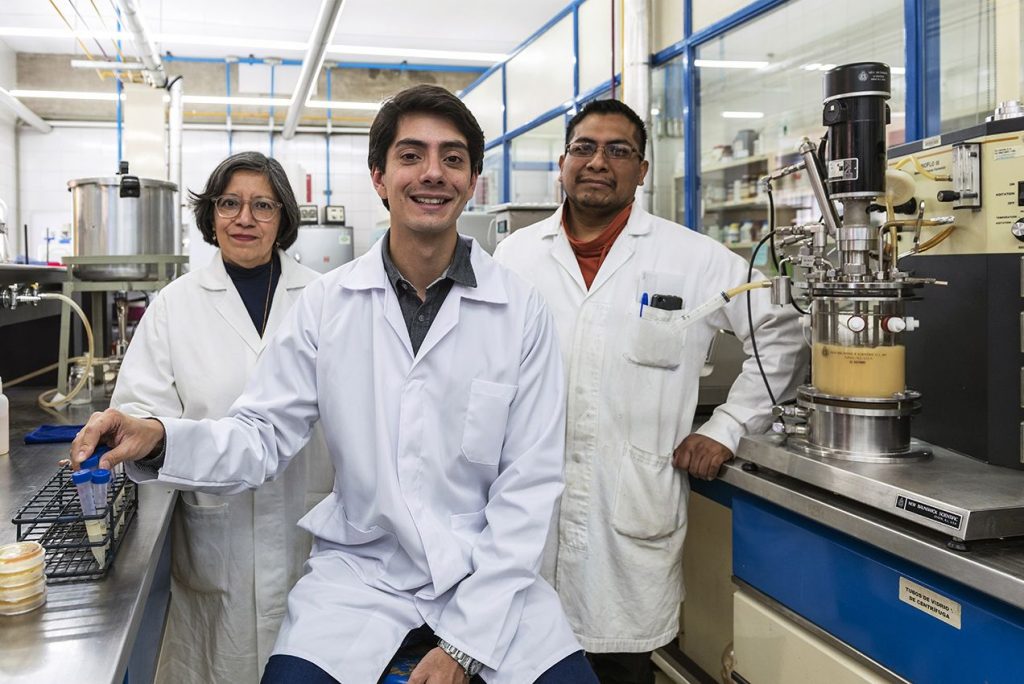
When Javier Larragoiti was 18-years old, his father was diagnosed with diabetes. At that time, the young man had just started studying chemical engineering at a University in Mexico City. He decided to dedicate his studies and time to develop a safe and acceptable alternative to help his father and millions of other people like him avoid sugar. Surprisingly, his answer to sugar is a compound in corn.
Larragoiti said:
It’s only when you know someone with this sickness that you realize how common it is and how sugar intake plays a huge role. My dad tried to use stevia and sucralose, just hated the taste, and kept cheating on his diet.
Stevia and sucralose are high-demand sugar alternatives. Most reduced-sugar products currently available contain one or the other. However, given that Larragoiti’s dad didn’t like these alternatives, the young chemist got to work, searching for new alternatives.

He started to experiment with xylitol, a sugar alcohol found in birchwood, corn fiber, hardwood, oats, berries, plums, corn, oats, mushrooms, lettuce, and other fruits and vegetables. Xylitol is sometimes used in sugar-free products such as chewing gum and also in children’s medicine. However, it is highly toxic to dogs, even in small amounts.
Larragoiti explained:
It has so many good properties for human health, and the same flavor as sugar, but the problem was that producing it was so expensive. So, I decided to start working on a cheaper process to make it accessible to everyone.
Xylitol From Corn Cobs
Larragoiti figured out how to extract xylitol from discarded corn cobs in a cheaper way, and has already patented the fermented-based method. Corn is the largest agricultural crop in Mexico. Every year, the country generates up to 28 million metric tons of corn cob waste. Which means, Larragoiti has an endless amount of xylitol-generating fuel.
His invention steers the industry away from their traditional means of disposal, which is to burn the corn waste. Largoiti is killing two birds with one stone; by reducing the amount of corn waste burned, it would, in turn, reduce the amount of carbon emissions.
Larragoiti’s business, Xilinat, purchases waste from thirteen local farmers, who produce 1 ton of corn per year. In May 2019, his invention was awarded a $310,000 Chivas Venture prize award, which will allow him to industrialize his operation and scale-up production ten-fold, diverting another ten tons of corn cob waste from getting burned.

Sugary Diets
Obesity is an increasing global health problem, with one out of every seven people obese, and about 10% have and are at risk for type-2 diabetes. Today, the rate of obesity has doubled in over seventy countries since 1980. Mexico is one of them, with the world’s second-highest rate of obesity.
Larragoiti said that one of the biggest problems in Mexico is their sugary diets; they love sugary drinks such as Coca-Cola. The country even taxed sugary drinks to try and fight the primary source of the issue.
Same Corn, Different Product
Larragoiti’s method of extracting xylitol happens to incorporate the same vegetable used to make high-fructose corn syrup, which fuels widespread obesity in the US and around the world. “It’s kind of ironic. High fructose corn syrup is just a bomb of carbs and concentrated sugar that makes a high peak of insulin. It’s many times sweeter than regular glucose. Companies use and pay less, and that’s the issue,” Larragoiti explained.
Most processed, packaged foods and drinks contain high-fructose corn syrup. It plays a significant role in obesity; according to the CDC, it affects 93 million adults in the US. Thankfully, there are scientists continually coming up with innovative new solutions. Larragoiti is very happy that his project has proven successful and has helped his father from surrendering to a sugary diet.
Larragoiti added:
My dad is super-happy. He uses my product every day, and he’s willing not to cheat on his diet anymore!
You can visit his website at xilinat.com, for more information.