
For many of us, living in a constant state of stress has become the norm in our “always-on” culture. As our schedules become increasingly chaotic, we adapt to a more hectic lifestyle without realizing we need to calm down. You may not feel frantic, but there’s a strong possibility your body is sending you signals that you’re stressed, and these signals can have a mental and physical impact.
There are many subtle symptoms that stress is making you unwell or interfering with your health in ways you’re not aware of. Even if you feel OK, there are several unmistakable symptoms that stress is wreaking havoc on your life.
1. You Have Tooth or Jaw Pain
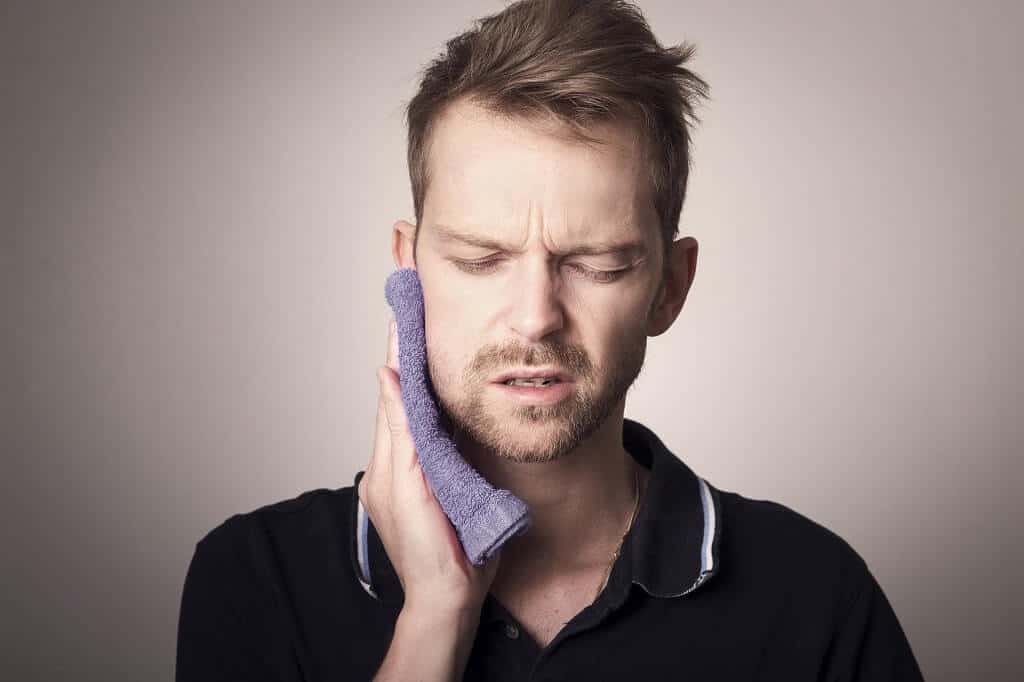
You could be stressed if you’ve been experiencing discomfort or pain in your teeth or jaw. For example, grinding your teeth, also known as bruxism, is something that many of us do, whether we detect it or not, and it can cause considerable pain during waking hours.
If you think you might have bruxism, consult your dentist to make sure the issue does not worsen over time.
2. Your Memory is Failing You
It’s easy to brush off concerns with memory or forgetfulness as our schedules get busier, but they’re typically a sign of a deeper problem: you are too stressed.
You could be stressed if you’re having trouble concentrating or forgetting things that used to come naturally to you. Paying attention to your train of thoughts (or lack of) can help you figure out if you’ve taken on too much and need to cut back.
3. Your Menstrual Cycle is Messed up
Periods are well known for being unpredictable; therefore, many menstruate women don’t think twice about irregular periods. However, abrupt changes in your cycle may suggest that you’re under too much stress, and you should be aware of this.
If you keep track of your physical and emotional symptoms each month, you’ll be able to tell if your periods are late or absent.
4. You Are Thirsty All the Time
Suppose you are extra thirsty than usual and can’t figure out why you could be dehydrated due to too much stress. According to a family physician in Springboro, Ohio, Dr. Robert Kominiarek, DO, stress causes your body to “pump out” those stress hormones, resulting in your adrenal glands being overworked and exhausted.
The adrenal glands also create aldosterone, a hormone that helps regulate fluid and electrolyte balances in the body. But, according to Dr. Kominiarek, “when adrenal fatigue progresses, your body’s aldosterone production drops, triggering dehydration and low electrolyte levels.” So while increasing your water consumption will help in the short term, this is still a long-term issue that must be addressed.
5. You Have Sore and Tense Muscles

When you are under plenty of stress, your muscles unconsciously tense up in response, which can eventually cause a lot of body pain. Your body overproduces cortisol, a stress hormone when it is constantly in “fight-or-flight” mode.
So, while you may have tooth and jaw soreness from bruxism, you might be experiencing various other aches and pains, including neck and back pain. Regular massages are helpful, but the most effective approach to getting back in tip-top shape is to find ways to lessen the stress in your life.
6. You Sleep Excessively or Not Enough
It makes sense that having a good night’s sleep is the first thing to go when you’re under a lot of stress: You end up bringing any daytime worries or anxieties with you to bed, and your brain brings them back up when you should be receiving the sleep you need. Moreover, even once you sleep, your brain can bring them back again in your dreams. Therefore, it should be very evident that stress may be to blame if you have trouble falling asleep at night.
However, sleeping too much may indicate that you’re facing a more significant issue. For example, you may exhibit signs of depression, which is connected to excessive stress, if you find it particularly challenging to get out of bed in the mornings or sudden desire to stay in bed all day. Please consult your physician so they can determine what’s wrong and help you feel more like yourself.
7. You Keep Getting Strange Nightmares.
There’s a good reason why people who get enough sleep rarely remember their dreams: the less nighttime stimuli your brain is exposed to, the less likely you are to remember them. Therefore, if you frequently experience vivid or otherwise unpleasant dreams, your brain may subconsciously process issues that you haven’t yet resolved during the day.
In an interview with Women’s Health magazine, Robert S. Rosenberg, DO, a board-certified sleep medicine specialist, revealed why you might be experiencing bizarre dreams. “We believe most emotional modification occurs during REM sleep,” he said, implying that your brain may be managing negative or stressful emotions while trying to sleep.
8. Making Decisions (Big or Small) is a Challenge
Extreme stress can cause your brain to behave in strange yet subtle ways. Whether you are choosing what to eat for lunch or whether to make a life-altering shift, like moving to a new country or applying for a new job, you may not think much of your inability to make tiny decisions during the day. However, a study published in Current Directions in Psychological Science revealed that stress alters decision-making unexpectedly.
According to the study, stress may cause you to fixate on more positive outcomes. They discovered that people might attempt to avoid adverse consequences while under stress. This is fine until you accept a new job offer without carefully weighing how it will affect your daily commute. Stress may be your brain’s way of protecting you from stress overload. The researchers found that “stress seems to help people learn from positive feedback and impairs their learning from negative feedback.”
9. You are Oversensitive and Irritable

It is certainly no secret that too much stress is unpleasant, so it’s understandable why you would feel particularly tense or irritable. According to Reader’s Digest, “stress is closely related to fear,” when our bodies are under stress, our brains react by going into “survival mode.” This is due to our wiring and evolution. Our emotions, especially negative ones, can become more intense when we are too often in that “fight or flight” mode.
Being prepared and able to fight off predators has helped humans survive. However, the magazine points out that while “this is quite true if you’re faced with a grizzly bear, most of us don’t face the threat of attack from wild animals these days. So, our plunge into an edgy emotional state is one of the signs you’re stressed over an imagined threat that doesn’t exist.”
10. Enjoyable Activities are Giving you Less Pleasure
You probably have too much going on if you suddenly find yourself dreading activities that used to make you joyful (such as a night out with friends or your favorite physical activity). This is because stress has a significant negative impact on hormones.
Reader’s Digest explained:
“During high-stress situations, interactions between a stress hormone called adrenal glucocorticoid and serotonin receptors in the brain interfere with our ability to experience pleasure and remain motivated. Serotonin levels consistently off-balance produce the brain chemistry that leads to depression.”
You should consult your doctor or a trusted therapist if you notice that you are avoiding activities, withdrawing socially, or generally avoiding everything that used to make you happy.
11. Your Sweat Production Has Increased
The reason we sweat when we are worried is different from why we sweat when we are working out or when it is hot outside. “Stress sweat is triggered by the same hormones [as sweat from being overheated], mainly adrenaline, that prompt us to react quickly when faced with a threatening situation,” explained the Wall Street Journal.
George Preti, a faculty member at the Monell Chemical Senses Center, a scientific research center in Philadelphia, told the Journal that “it’s highly related to the fight or flight reaction.” As a result, if your body experiences these adrenaline spikes frequently, it may react by producing excessive amounts of sweat all over the body or being confined to certain areas, such as the feet, hands, or armpits.
Visit a dermatologist or your doctor to discuss treatment options, such as Botox injections, prescription antiperspirants, or medications to help slow down your sweat glands if excessive sweating (also known as hyperhidrosis) is troubling you.
12. You are Engaging in Dangerous Vices
Many enjoy a cocktail after a hard day at work or a glass of wine at night to unwind. Still, you may be entering potentially dangerous territory when you start turning to drugs, alcohol, or other substances to relieve stress.
Finding healthy methods to help you cope with stress, such as going for a swim, listening to music or podcasts, reading, riding a bicycle, playing with your pet or meditating, should always be your first line of defense.
13. Simple Tasks Become Overwhelming

Even basic household chores or phone conversations can seem like a mountain to climb when you’re chronically stressed. But, according to Reader’s Digest, the overactive stress hormones are to fault.
The magazine adds:
“Stress hormones spike the brain’s chemical dopamine, which can create a decline in cognitive performance. One of the signs you’re stressed is that even easy tasks (say, juggling the laundry, emptying the dishwasher, and signing kids’ permission slips) feel difficult to manage.”
14. You have New Issues in an Otherwise Great Relationship
Since those closest to us typically shoulder the emotional burden when we’re not doing so well, it’s no surprise that if stress makes you extra snippy, you might be harsh with your significant other.
Stress can have various adverse effects on your relationship, many of which are subtle enough that you may not even notice. You might be burned out if you:
- Start picking fights with your spouse without cause
- Lose interest in what they are saying when they tell you a story
- Check your phone instead of engaging with them
- Start to distance yourself from them
15. Your Sex Drive is Low
Even though sex has been shown to decrease stress, it is one of the first things to suffer when we are under a lot of pressure. A rise in the stress hormone cortisol may cause an unusual decrease in your desire for sex. Stress is a common cause of a low sex drive. Therefore, if your sex drive is lacking, try to lower your stress levels.


