
Over half of the world’s population lives in cities. The figure stands at approximately 56% but is expected to rise continually through the coming decades. According to a new study, with so many people moving about and using energy, these urban areas generate a substantial amount of the world’s greenhouse gas (GHG) emissions –52%.
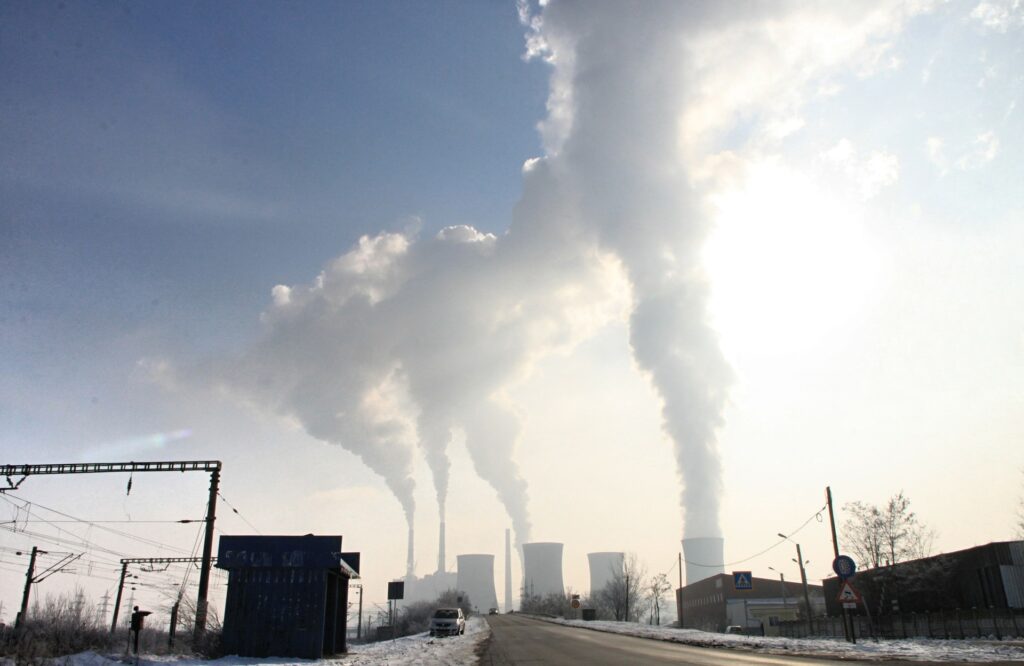
The Sun Yat-sen University research, designed by Dr. Shaoqing Chen and colleagues to gauge the scale of city pollution, found that 52% of the global emissions come from only 25 cities. The analysis inventoried GHG emissions (sector-by-sector) of 167 globally distributed cities between 2012 and 2016, revealing how the so-called megacities in China and Japan are particularly potent emitters. Furthermore, most cities of developed countries had much higher per capita GHG emissions than those of developing countries.
Dr. Chen, a co-author of the study, said:
Nowadays, more than 50% of the global population resides in cities. As a result, cities are reported to be responsible for more than 70% of greenhouse gas emissions, and they share a big responsibility for the decarbonization of the global economy. However, current inventory methods used by cities vary globally, making it hard to assess and compare the progress of emission mitigation over time and space.
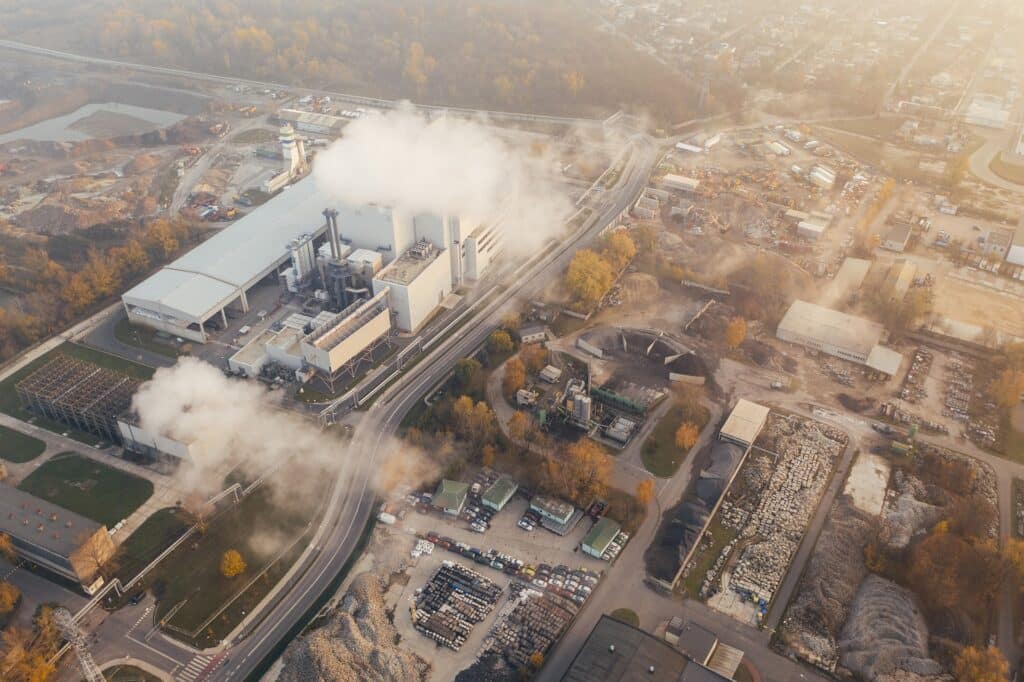
The research is the first global balance sheet for GHG emissions for the world’s major cities. It pieces together information from 167 metropolitan areas and urban zones of 53 different countries. The researchers chose more core cities from heavily emitting countries like the US, Europe, India, and China to deliver a more accurate representation of emissions distributions worldwide. Furthermore, the researchers distinguished between developing and developed countries based on UN classification.
The key findings include:
- Transportation (fuel combustion) and stationary energy (electricity use in residential, industrial, and commercial buildings) are the two primary sources of emissions.
- Cities in the US, Australia, and Europe have significantly higher per capita emissions than those in developing countries, except for China. It was classed as a developing county but featured several cities with similar per capita emissions as developed nations.
- Of the 167 cities, 113 set varying GHG emission reduction targets and 40 carbon neutrality goals.
- Forty-two of the cities had time-series traceable data. Of those, 30 decreased their annual emissions over the study period, but several others saw an increase.
- The four cities with the greatest per capita emissions reduction were Oslo, Bogotá, Houston, Oslo, and Seattle.
- The four cities with the greatest per capita increase were Curitiba, Johannesburg, Rio de Janeiro, and Venice.

The authors conclude with policy recommendations, saying the research highlights the need for consistent GHG emission inventories worldwide to make it more straightforward to track emissions reduction policies’ effectiveness in varying locations. This study joins several other reports showing that we’re far from achieving the goals set by the Paris Agreement.
Chen said:
First, key emitting sectors should be identified and targeted for more effective mitigation strategies. For example, the differences in the roles that stationary energy use, transportation, household energy use, and waste treatments play for cities should be assessed. Breaking down the emissions by sector can inform us what actions should be prioritized to reduce emissions from buildings, transportation, industrial processes, and other sources.
Secondly, a development of methodologically consistent global GHG emission inventories is also needed, to track the effectiveness of urban GHG reductions policies.
Lastly, cities should set more ambitious and easily-traceable mitigation goals. At a certain stage, carbon intensity is a useful indicator showing the decarbonization of the economy and provides better flexibility for cities of fast economic growth and increase in emission. But in the long run, switching from intensity mitigation targets to absolute mitigation targets is essential to achieve global carbon neutrality by 2050.
Ultimately, drastic measures are needed to limit the average global temperature increase to 1.5°C (2.7°F) above pre-industrial levels, as the Paris Agreement demands.


