
Are you thinking about taking a vacation from your daily routine? A wildlife holiday could be the perfect option. There is no doubt that wildlife holidays offer more than just thrilling sightings and scenic backdrops. These holidays invite us to slow down, reconnect with nature, and experience deep physical and psychological renewal.
However, rising tourism demand can strain local resources and fragile ecosystems, which emphasises the value of sustainable wildlife holidays. Thoughtfully designed, these journeys actively support conservation efforts, empower local communities, and help safeguard the breathtaking natural beauty that inspires such travel.
With the growing demand for sustainable wildlife holidays, many destinations offer these holidays. With Naturetrek, you can make the most of your wildlife holidays expertly guided by a leading naturalist to help you enjoy the right experiences and to give back to the very landscape and species that make the journey so special.
Okavango Delta, Botswana
For sustainable wildlife holidays in Africa, Botswana stands out as a top choice. This is one of the best inland deltas in the world that offers a stunning spectacle of life and biodiversity. It’s a paradise for wildlife and nature lovers, offering unforgettable safaris, vibrant birdwatching, and a deep connection to one of Africa’s most pristine ecosystems.
The Okavango Delta boasts an incredible array of wildlife. Key highlights include:
- The Okavango Delta is home to a diverse range of species, including elephants, lions, leopards, and wild dogs.
- There are opportunities to spot endangered species such as the African wild dog and the black rhinoceros.
- The Delta boasts more than 400 bird species, making it a top destination for birdwatchers.
This rich biodiversity makes the Delta an unforgettable destination for nature enthusiasts.
Visitors can embark on a mokoro ride, where traditional dugout canoes glide silently through the waters, offering tranquil wildlife viewing. Often led by local guides, these rides provide a unique delta experience and support local communities. Furthermore, sustainable lodges in the area allow for an immersive stay that respects the pristine environment.
Ranthambore National Park, India
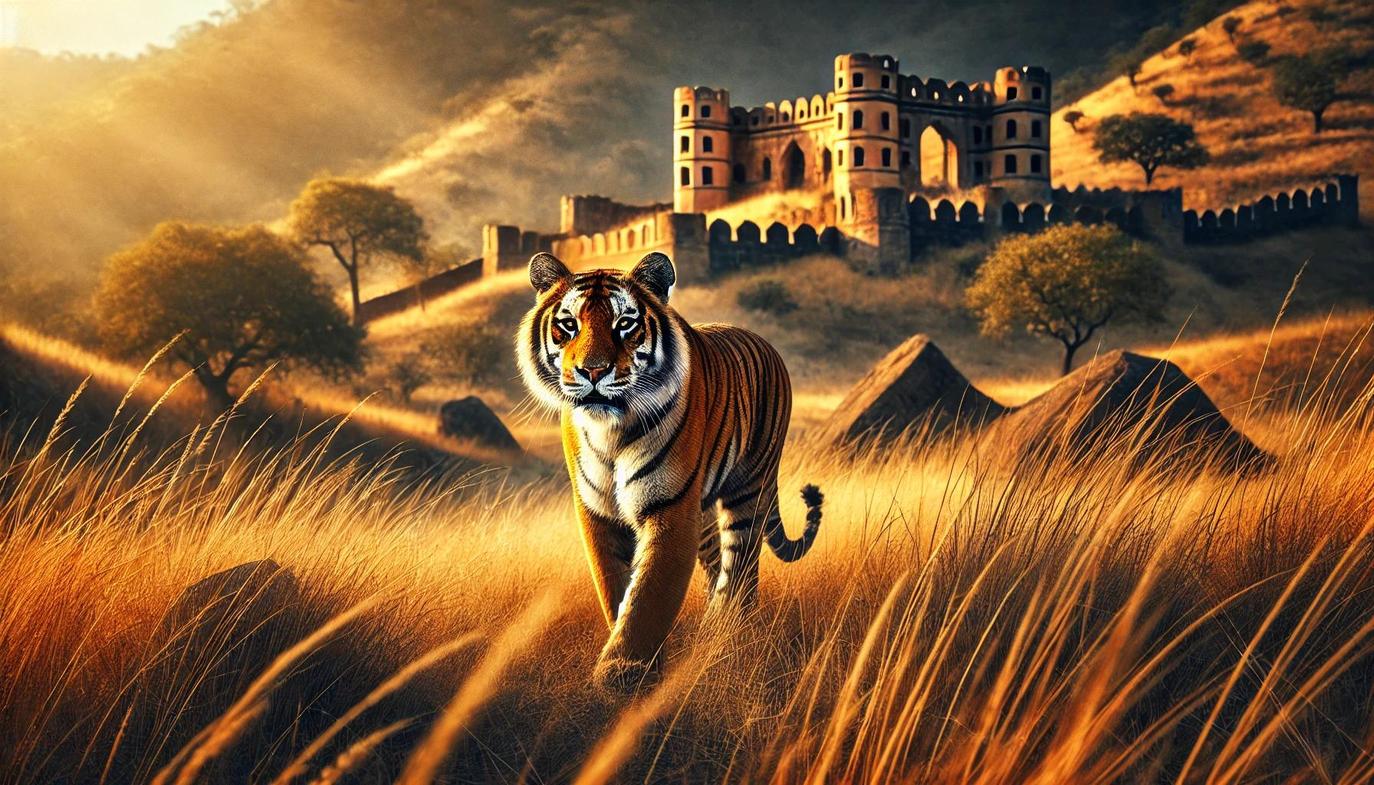
With its numerous tiger reserves, national parks in India offer exceptional opportunities for tracking Royal Bengal tigers. Spanning over 1,300 square kilometres, Ranthambore National Park is a great place to add to your itinerary.
This dry deciduous forest, a dramatic tapestry of ancient ruins, craggy hills, and serene lakes, provides a thrilling backdrop for an Indian wildlife safari. Beyond the majestic tigers, visitors might encounter leopards, sloth bears, jackals, hyenas, crocodiles, and a rich diversity of avian life.
Strict government regulations cap the number of vehicles entering Ranthambore’s core zones, contributing to its conservation. Coupled with the availability of eco-conscious lodges, the park genuinely gives back to nature.
Many lodges here are committed to green architecture. Furthermore, local authorities promote plastic-free operations and spearhead various programs in partnership with local communities, which foster job creation and skill development.

Galápagos Islands, Ecuador
Regarding wildlife diversity and ecological significance, few places rival the Galápagos Islands. Located 600 miles off the coast of Ecuador, this UNESCO World Heritage Site offers a living laboratory where science and nature coexist, captivating nature lovers seeking truly unique encounters.
The Galápagos Islands are a wonderland for nature lovers, offering close encounters with various endemic species. Iconic wildlife includes:
- Giant tortoises
- Blue-footed boobies
- Marine iguanas
- Penguins
- Sea lions
Visitors can immerse themselves in unique activities such as:
- Exploring underwater realms alongside gentle sea turtles and sleek reef sharks.
- Traversing rugged, otherworldly terrains shaped by volcanic forces.
- Witnessing the striking courtship displays of frigatebirds, with their vibrant red gular sacs.
Today, the Galápagos Islands are among the best examples of regulated ecotourism.
To achieve this, the Ecuadorian government has diligently worked with local conservation organisations and tour operators to implement strict sustainability practices. Many tours adhere to a ‘leave no trace’ policy, and licensed naturalist guides accompany all excursions to ensure respectful wildlife viewing and enrich the visitor experience.
In terms of accommodation, the islands have multiple eco-friendly lodges and responsible yacht operators that prioritise low-impact infrastructure, use renewable energy, and hire locals from the island communities to make things possible for visitors.
Many travelers choose to stay on water to see more of the archipelago. Booking a vacation on a luxury Galapagos cruise is a popular way to travel between the isolated islands. These vessels have strict waste management systems and use fuel-efficient engines to protect the marine reserve. Local guides on these boats help guests understand the fragile environment. This approach keeps the human footprint small and lets people see the wildlife up close.
Maasai Mara National Reserve, Kenya
Kenya is an essential destination for wildlife holidays, prominently featuring the iconic Maasai Mara National Reserve, renowned for the Great Migration. Beyond this spectacular event, the reserve offers a wealth of other experiences. Visitors can spot Africa’s Big Five—lion, leopard, elephant, rhino, and buffalo—along with cheetahs, hippos, giraffes, and zebras.
For those seeking sustainable wildlife experiences in Maasai Mara, several memorable options are available:
- Early morning hot air balloon rides offering breathtaking aerial views.
- Guided walks with Maasai warriors offer unique cultural and ecological insights.
- Experience the nighttime campfires beneath the expansive African sky.
These activities allow visitors, whether solo or with friends or family, to forge a deeper connection with nature.
Maasai Mara National Reserve also offers various eco-friendly lodges that make use of solar power, reduce waste, and provide local employment. In Kenya, community-based initiatives are redefining the conservation model, helping to protect and preserve the country’s wildlife and environment.
Engaging in diverse activities provides deeper insights into the local ecology and the lifestyles of the Maasai communities. Choosing the Maasai Mara means visitors not only witness one of the world’s most spectacular natural events but also actively contribute to its preservation for future generations.

Bardia National Park, Nepal
While most people consider Nepal to be a hub for mountaineering, this tiny nation has a lot more to offer. Tucked away in the remote southwestern plains of Nepal, Bardia National Park offers a serene wildlife holiday experience that is unlike any other. It’s Nepal’s largest and most undisturbed wilderness, making it ideal for wildlife lovers seeking off-the-beaten-path adventures.
Bardia National Park is a sanctuary for diverse wildlife, including Bengal tigers, Asian elephants, rhinoceroses, Gangetic dolphins, and over 400 species of birds, marking it as a significant conservation area.
Unlike more crowded reserves, Bardia offers a profound sense of solitude and authenticity. Here, visitors can embark on jungle walks, river safaris, and jeep excursions with fewer disturbances. Expert local guides significantly enhance these explorations, sharing invaluable insights about spotting wildlife in their natural, undisturbed habitats.
The park’s conservation focus is strengthened by its partnership with the local Tharu communities, who have long coexisted with the region’s wildlife. Through community-managed buffer zones and sustainable tourism initiatives, these local populations are empowered as dedicated stewards of the land.
Furthermore, Bardia features eco-friendly homestays and lodges. These establishments provide both comfort and a platform for sustainable travel by employing residents and sourcing produce from nearby farms.
Embracing Wildlife Holidays That Nurture Nature
Choosing a wildlife holiday is more than an escape; it’s an opportunity to forge a profound connection with the natural world and contribute positively to its preservation. The destinations highlighted, from the wetlands of the Okavango Delta to the remote wilderness of Bardia National Park, showcase how tourism, when guided by principles of sustainability and respect, can become a powerful force for good.
By opting for eco-conscious operators and engaging with community-led conservation projects, travellers become vital partners in empowering local guardians and preserving the rich tapestry of life that defines these remarkable locations. Such sustainable wildlife journeys offer deeply enriching personal rewards, fostering a legacy of respect that ensures these vital ecosystems and their inhabitants continue to flourish for many years.
This form of responsible tourism is a journey where adventure meets stewardship, allowing us to witness nature’s wonders and actively participate in its ongoing story. So, when planning your next adventure, consider a path that excites the spirit and profoundly gives back to the heart of our planet.
Frequently Asked Questions About Sustainable Wildlife Holidays
What makes a wildlife holiday “sustainable”?
A sustainable wildlife holiday minimises environmental impact and maximises benefits for conservation and local communities. This involves eco-friendly practices and supporting local economies.
How can I ensure my wildlife holiday is ethical?
Research operators for conservation credentials and community involvement by prioritising respectful wildlife viewing. Avoid activities exploiting animals and support local conservation.
What are the benefits of choosing a wildlife holiday that gives back?
These holidays directly fund conservation and support local communities with sustainable livelihoods. They also offer more authentic and enriching travel experiences.
Can I find sustainable wildlife holidays in different parts of the world?
Yes, sustainable options are available globally, from African safaris to exploring unique ecosystems in the Galápagos or Asia. Research operators committed to sustainability.

