
Australian policy, investment, and project delivery are aligning to make daytime solar power easier to use and evening demand simpler to manage. The federal Solar Sharer initiative will require retailers in New South Wales, South Australia, and south-east Queensland to give households at least three hours of free electricity around midday starting in July 2026, provided a smart metre is installed, a shift designed to match everyday usage with abundant daytime solar.
Victoria is moving in lockstep on the supply side, using its Development Facilitation Programme to issue fast‑tracked approvals for roughly 2.2 GWh of grid battery storage.
This initiative accelerates construction timelines for two key projects:
- Tramway Road BESS
- Meadow Creek
These batteries will create a robust, flexible capacity designed to firm late‑day demand.
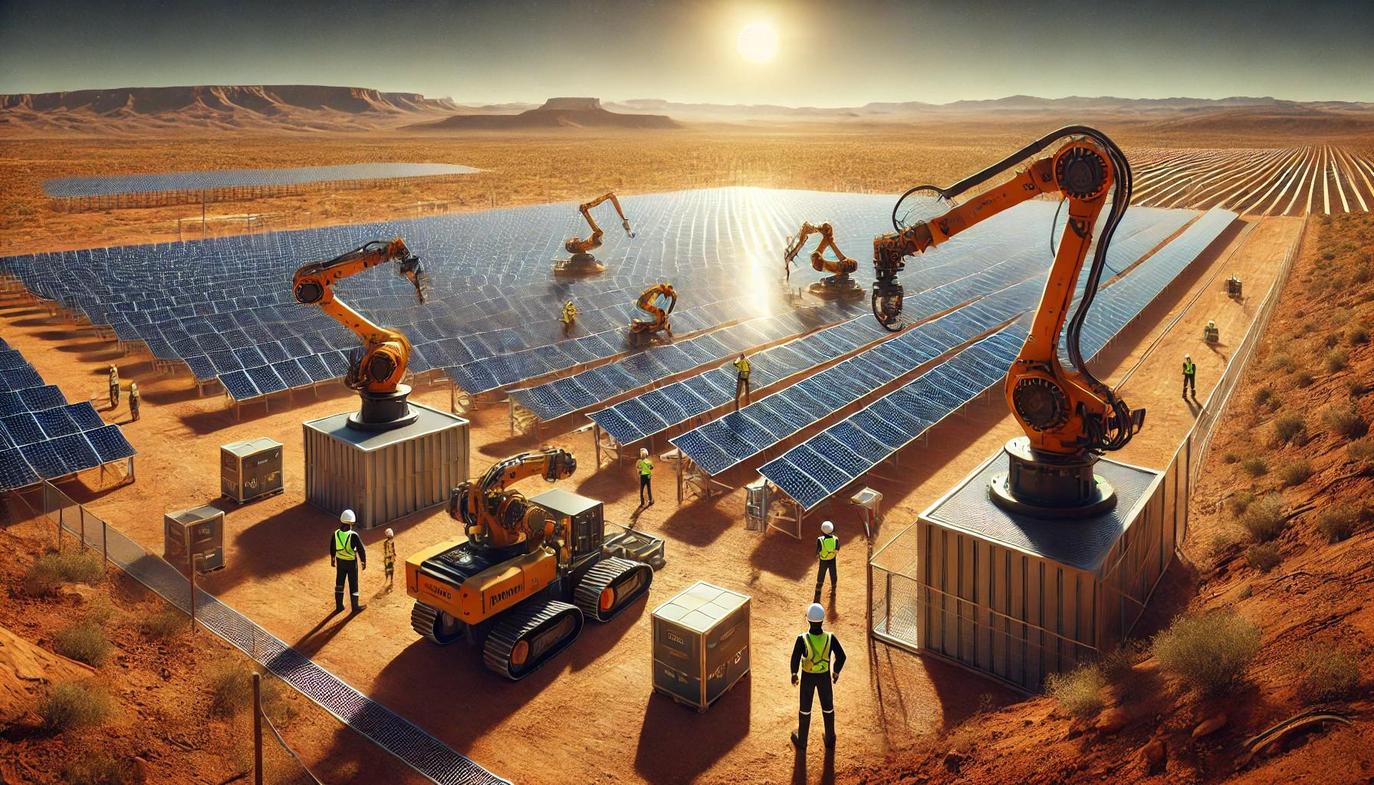
A national push to cut the cost of utility‑scale solar is also underway. ARENA has committed A$45 million to Fortescue’s Pilbara Solar Innovation Hub, a portfolio‑based programme designed to trial rapid‑build and automation approaches at a cumulative scale of 500 MW, with knowledge sharing aimed at lowering long‑run costs across Australia’s pipeline. The agency’s announcement details the A$45 million Pilbara Solar Innovation Hub and its portfolio approach.

Australia’s Solar Plan: Key Facts
- Victoria’s 2.2 GWh Approved at Speed: Tramway Road BESS (300 MW/1,200 MWh) and Meadow Creek (332 MW PV + 250 MW/1,000 MWh BESS) advanced via the Development Facilitation Programme to strengthen evening supply.
- Cheaper Utility Solar in the Pipeline: ARENA will invest A$45 million in a 500 MW Pilbara test bed to prove faster, lower‑cost construction and automation for utility solar.
- Household Upside: Shifting heavy appliance use to the free window reduces exposure to higher evening prices while supporting a smoother grid.
How the Solar Sharer Free Power Initiative Works
Who Qualifies and When it Starts
Solar Sharer begins in July 2026 in New South Wales, South Australia, and south-east Queensland because these areas fall under the Default Market Offer framework overseen by the Australian Energy Regulator. Retailers must provide an offer that includes at least three hours of free electricity during the middle of the day, when solar generation is highest. A smart metre is required so retailers can measure consumption within the free window and settle charges accurately. The rollout applies to Default Market Offer regions defined by the regulator and described in public guidance.
How to Maximize Your Savings
Households get the most value by moving high‑draw tasks into the free window. A simple rule helps: schedule the biggest loads first, then add flexible tasks like device charging.
Key high‑draw tasks to shift include:
- EV charging
- Heat‑pump water heating
- Laundry
- Dishwashing
Planning is made easier, as many retailers publish their free midday electricity windows in advance. If you already have rooftop solar, consider time-shifting battery charge into the broader midday period so stored energy is available later. Practical home battery basics explain how storage stretches daytime generation into the evening.
Expanding Grid Equity and Stability
Solar Sharer expands benefits beyond rooftop owners. Renters and apartment dwellers can participate so long as there is a smart metre and a participating retailer, which spreads access to solar abundance more fairly. From a system perspective, nudging usage towards midday reduces the evening peak and lowers the need for expensive peaking generation. This shift also supports the integration of more variable renewables over time. Readers who want a refresher on how solar power works can review a concise primer that explains generation, inverters, and grid interaction.

Victoria’s 2.2 GWh Battery Storage Plan (DFP)
The Development Facilitation Programme, Explained
Victoria’s Development Facilitation Programme (DFP) streamlines approvals for energy projects that deliver public benefit. In early November, the state used the DFP to advance two big storage builds that together add about 2.2 GWh of capacity. The programme compresses planning timelines and reduces connection risk, ensuring grid battery storage arrives in time to support the Solar Sharer initiative. Public reports document fast‑tracked approvals for large‑scale solar and storage across the two sites.
Tramway Road 300 MW/1,200 MWh: Status and Timeline
Eku Energy’s Tramway Road BESS in Gippsland is a four‑hour system designed to supply 1,200 MWh of energy and 300 MW of power, positioned near the Hazelwood Terminal Station. DFP approval puts Tramway Road on a pathway towards construction as early as 2026, subject to network, procurement, and financing steps. Technical summaries provide Tramway Road battery details, including capacity, duration, and location.
Meadow Creek 250 MW/1,000 MWh: Solar-Plus-Storage at Scale
Meadow Creek combines 332 MW of solar with a 250 MW and 1,000 MWh battery in Victoria’s north-east, close to Wangaratta. The hybrid setup allows the project to store midday production and release it later when prices and demand are higher. Fast-tracking under the DFP reduces holding costs and improves bankability, which helps projects reach construction sooner. Project rundowns offer a Meadow Creek solar‑plus‑storage overview covering the combined capacity and siting.
What it Adds Up To
These approvals add critical storage capacity that captures surplus solar and strengthens the evening grid. The approach complements Solar Sharer by ensuring that, as households shift more usage to midday, the system has enough flexible capacity to smooth out the rest of the day. A broader look at regional clean‑energy hubs and just transitions shows how coordinated build‑outs support local economies as grids decarbonise. As this technology matures, readers exploring next‑generation storage can scan a concise guide to silicon‑based solid‑state batteries and their role in future grids.
ARENA’s Pilbara Hub: Cutting Utility-Scale Solar Costs
What ARENA Funded and Why It Matters
The cost of Australia’s renewable pipeline decreases when builders can learn by doing at scale. The Australian Renewable Energy Agency has committed A$45 million to Fortescue’s Pilbara Solar Innovation Hub, a 500 MW portfolio of coordinated trials intended to prove faster construction methods, increased automation, and lower soft costs in demanding conditions. The programme description outlines the A$45 million Pilbara Solar Innovation Hub and its knowledge‑sharing framework.
How the Pilbara Hub Lowers Costs
The hub will test several methods to shorten time on site, including:
- Rapid‑install racking
- prefabricated wiring
- Robotic handling
- Advanced construction sequencing
By spreading these trials across multiple locations in the Pilbara, developers can measure performance against wind, heat, dust, and logistics challenges. Those learnings can then be recycled into future builds. Trade coverage describes a 500 MW test bed for emerging solar technology and highlights technology trials under consideration. For community‑level outcomes of cheaper solar, a primer on the community impact of solar energy explains local benefits.
What to Watch Next
Stakeholders should watch for key milestones, including tender awards, the first construction season, and comparative data on installation hours per megawatt. Public dashboards or periodic updates from ARENA would enable stakeholders to track how techniques scale from pilot to commercial roll‑out.
Corporate Demand and Utility Battery Projects
Apple’s Lancaster Power Purchase Agreement
Corporate buyers are anchoring new Australian projects. Apple signed a long‑term power purchase agreement for Victoria’s Lancaster solar park, a step that advances its wider target of enabling more than one million megawatt‑hours of annual generation in Australia before 2030; the project is expected to enter full production in 2026. Sector reporting details the agreement, with capacity notes on the 108 MWdc Lancaster solar park.
Utility-Scale Storage Expands
On the storage side, AGL has sought a federal referral for the Beresfield Battery Energy Storage System in the Hunter Region at 170 MW and 340 MWh. This two‑hour system is designed to firm renewables and support evening peaks as more daytime power shifts to the free window. Project briefs present a Beresfield Battery Energy Storage System summary covering configuration and approvals.
Market Impact on Battery Strategy
Analysts note that Solar Sharer can compress midday price spikes, which may reduce revenue for some short‑duration utility batteries that rely on simple buy‑low, sell‑high strategies. Batteries with longer duration and diversified services such as frequency control, inertia‑like grid support, and network congestion relief retain strong roles as the market evolves. A recent assessment summarises Rystad’s analysis of Solar Sharer impacts on arbitrage and capacity value.

What the Solar Sharer Plan Means for You
A Simple Midday Routine that Cuts Bills
Plan the free window as a daily routine. Start EV charging if available, schedule the heat‑pump water heater to recover during the window, run one laundry cycle, and set the dishwasher to delay start so it finishes before the window ends. Smart home plugs or appliance apps make this process easy.
If you also own a home battery, allow it to charge during the broader midday period so stored energy covers part of the evening. A practical guide to home battery storage trade‑offs outlines sizing, cycling, and payback considerations.
Why Renters Benefit
The Solar Sharer initiative does not require rooftop panels. Households with a smart metre in participating regions can opt into eligible retail offers, opening access for renters and apartment dwellers who cannot install their own systems. Aligning usage with the free period reduces bills while lifting daytime demand for renewable generation.
Faster Approvals Keep Prices Stable
Victoria’s fast‑tracked grid battery storage helps smooth the evening peak, reducing the need for expensive peaking generation and improving price stability as the Solar Sharer initiative reshapes demand. A plain‑language overview of policy changes shaping the renewable energy sector explains how rules influence build‑out and integration.
Australia’s Smart Solar Future: A Grid in Transition
Australia’s energy strategy is clearly shifting towards a smarter, more integrated grid. By combining the Solar Sharer initiative, which provides free midday electricity, with significant 2.2 GWh grid battery storage approvals in Victoria, the nation is actively solving the solar abundance challenge. This approach tackles both consumer demand and grid stability, ensuring that plentiful daytime power is used efficiently rather than wasted.
For households, this transition means tangible savings and a larger role in grid stability, especially for those with smart metres. For the national grid, rapid approvals and cost-reduction trials like the Pilbara Solar Innovation Hub signal a move towards flexible, reliable, and cheaper renewable energy. The alignment of policy, investment, and corporate demand creates a clear pathway towards a decarbonised future.

Frequently Asked Questions About Australia’s Solar Initiatives
What is the Solar Sharer Initiative?
The Solar Sharer initiative is a federal programme starting in July 2026 for specific regions. It requires energy retailers to offer customers with smart metres at least three hours of free electricity around midday, aligning household energy use with peak solar generation.
Who Qualifies for Free Midday Electricity?
Households in New South Wales, South Australia, and south-east Queensland with a smart metre installed are eligible. This applies to customers under the Default Market Offer (DMO) and includes renters and apartment dwellers, not just rooftop solar owners.
Why is Victoria Building 2.2 GWh of Battery Storage?
Victoria fast-tracked approvals for 2.2 GWh of grid battery storage to increase flexible capacity. These batteries will store surplus solar power generated during the day and release it during the evening peak, helping to stabilise the grid and manage demand as more households use free midday power.
How Can I Save Money with Solar Sharer?
To maximise savings, you should shift high-energy tasks to the free three-hour window. This includes running dishwashers, laundry machines, and heat-pump water heaters and charging electric vehicles.


