
The world is in the midst of a significant transformation. Moving from fossil fuels like coal, oil, and natural gas to cleaner, renewable sources such as wind, solar, and hydropower isn’t just a matter of environmental responsibility—it’s a matter of survival. Climate change poses an existential threat to global ecosystems, economies, and human health. Fossil fuels have powered industry and driven economic growth for over a century, but they are also the primary contributors to carbon emissions, leading to rising temperatures, extreme weather events, and declining air quality. To counter these challenges, many countries have committed to cutting carbon emissions and transitioning toward a cleaner, more sustainable energy economy.
The Urgent Need for a Just Energy Transition
However, this shift impacts communities around the globe that rely heavily on fossil fuel industries for jobs, local revenue, and community stability. When coal mines or oil fields close, entire towns face the risk of economic collapse. Jobs disappear, and businesses that depend on the spending power of fossil fuel workers struggle to survive. Therefore, the transition to renewable energy requires a careful, “just” approach—one that not only addresses environmental needs but also supports the people and communities affected by these changes.
A “just transition” means that as we move away from fossil fuels, we also invest in new opportunities for workers, helping them find jobs in renewable industries, retraining them, and providing the resources necessary for communities to adapt. By creating pathways for these communities to thrive, we can build an energy economy that is sustainable, equitable, and resilient.

The Socioeconomic Ramifications of a Just Energy Transition
While the benefits of a cleaner energy future are clear, the socioeconomic impacts of the transition away from fossil fuels are complex and profound. The loss of fossil fuel-based employment can devastate local economies, reduce access to public services, and lead to an array of social challenges that impact the quality of life for millions.
Economic Impact on Fossil Fuel Communities
Communities that have long depended on coal, oil, or natural gas for economic survival face hard times as these industries shrink. In many regions, fossil fuel industries have provided jobs and tax revenue that funds schools, hospitals, and infrastructure projects. When a major employer like a coal mine or an oil refinery shuts down, the impact ripples through the entire community. Workers lose jobs, which in turn leads to a decline in local spending, affecting small businesses and property values. Local governments face budget cuts that can result in reduced public services, from healthcare to education.
The Department of Energy (DOE) and organizations like Brookings have identified that without intervention, these communities risk entering a prolonged period of economic depression. This is especially true in areas where fossil fuel work is the primary source of employment and where other job opportunities may be scarce. By focusing on creating new, renewable energy jobs within these communities, we can help replace the economic benefits that were previously derived from fossil fuels.
Potential Social Effects
Beyond economic impacts, the social ramifications of a rapid energy transition are considerable. Job loss can lead to increased poverty, health issues, and even migration as workers leave to seek employment in other regions. This loss of population can weaken community bonds and reduce access to essential services, particularly in rural areas. For families and individuals who have spent generations working in fossil fuels, the cultural identity tied to these industries can make the transition emotionally challenging as well.
A well-managed just transition program can mitigate these social impacts by providing retraining opportunities and alternative employment pathways within the community. The Just Transition Mechanism in the European Union, for example, prioritizes job retraining, infrastructure development, and public services in high-impact areas, especially in coal-reliant Eastern Europe. This focus not only supports economic stability but also helps preserve social cohesion and community health.

Programs and Investments Supporting Just Transitions
In the journey to phase out fossil fuels, significant attention has turned toward “just transition” programs aimed at supporting communities heavily dependent on coal, oil, and gas. These initiatives recognize the need for economic alternatives, offering pathways for workers and towns to thrive even as traditional energy jobs decline. Governments, organizations, and communities worldwide are investing in programs to help these regions shift to renewable industries while creating sustainable jobs.
U.S. Federal Support for Transitioning Communities
Department of Energy Initiatives
In the United States, the Department of Energy (DOE) has been at the forefront of just transition efforts, primarily through its Office of Manufacturing and Energy Supply Chains (MESC). MESC’s mission is to strengthen the clean energy supply chain and build a skilled workforce for a sustainable future. In total, the DOE has already invested in 71 projects across 38 states to help boost local economies, create jobs, and ensure communities are not left behind as the energy sector shifts away from fossil fuels.
One of MESC’s critical roles is promoting “energy justice,” meaning that traditionally energy-dependent regions—like those heavily reliant on coal mining—receive support to transition smoothly. By focusing on workforce development and reskilling programs, the DOE aims to help workers in coal, oil, and gas fields learn skills needed for renewable energy jobs, such as in solar or wind energy. This federal support not only aids workers directly but also strengthens local economies, potentially preventing economic downturns in vulnerable regions.
Brookings Proposal for Federal Action
The Brookings Institution further underscores the importance of federal involvement, suggesting that a centralized federal office could help coordinate these efforts more effectively. Brookings proposes a federal Just Transition Office dedicated to addressing the needs of fossil fuel-dependent communities by managing and directing resources for job training, infrastructure development, and financial support for communities most at risk. With the federal government actively participating, this office could help smoothen the transition by supporting innovative training programs and offering financial resources to businesses and communities striving to transition to renewable industries.
Brookings highlights the risk of economic disparity without intervention, arguing that a proactive approach from the federal government is essential. By offering resources directly to affected workers and communities, the government can address issues such as unemployment and reduced tax revenue, often associated with the decline of traditional energy sectors.

European Union’s Just Transition Mechanism
The EU’s €55 Billion Just Transition Fund
Europe, too, has implemented substantial programs to support communities transitioning away from fossil fuels. At the heart of the European Union’s strategy is the Just Transition Mechanism (JTM), a multi-billion euro initiative designed to support workers and regions impacted by the shift to a greener economy. Through a combination of grants, loans, and investments, the JTM plans to invest €55 billion from 2021 to 2027 in various projects across Europe.
This fund targets three main pillars:
- The Just Transition Fund: Provides direct support to regions in need, helping to fund projects that create jobs, develop local infrastructure, and encourage sustainable economic growth.
- InvestEU’s Just Transition Scheme: Attracts private investments, particularly in low-carbon and renewable energy industries, to help regions become more economically self-sustaining.
- Public Sector Loan Facility: Offers loans to public entities in transition areas to finance projects in green energy, infrastructure, and public services, helping communities adapt to a changing economic landscape.
Through these funding channels, the JTM aims to help Europe’s most affected regions, such as those in Eastern Europe, to reduce their dependency on coal and fossil fuels. By creating new job opportunities, the JTM allows workers to transition to sectors with more promising futures and equips them with the necessary skills for these roles.
Press Update on EU Just Transition Mechanism
Recent updates from the European Commission indicate that the JTM is already making strides in these areas. In 2021, the Commission boosted funding specifically for projects targeting coal-dependent regions, aiming to create sustainable jobs and support green technology projects across the continent. With over €17.5 billion from the Just Transition Fund, the initiative is expected to support high-impact regions, focusing on cutting coal use, expanding renewable infrastructure, and investing in local development programs. This direct support aims to assist in the economic shift and reduce environmental and health impacts associated with coal dependency.
By utilizing these substantial programs and investments, both the United States and Europe are laying the groundwork for a sustainable, inclusive transition. These initiatives show that with strategic investments in training, infrastructure, and innovation, communities previously reliant on fossil fuels can find new economic lifelines in a renewable future.

Innovative Technologies Empowering Transition and Job Creation
As the world pivots from fossil fuels, groundbreaking technologies are emerging to support the renewable energy sector and create new job opportunities for communities previously dependent on coal, oil, and gas. By repurposing existing infrastructure and exploring unique energy storage solutions, we can address both economic and environmental needs simultaneously.
Thermal Battery Innovations and Coal Plant Conversions
One fascinating technology gaining traction is the thermal battery, an innovative energy storage method that can help transform former coal plants into clean energy storage sites. Thermal batteries work by storing energy in the form of heat, which can later be converted into electricity. For instance, ultra-low-cost thermal batteries capture and retain excess industrial heat, providing a sustainable solution for industries like steel and cement production, which are highly energy-intensive. These batteries use inexpensive and recyclable materials, reducing emissions while meeting the thermal needs of heavy industries.
In addition to their use in industrial sectors, these thermal batteries hold potential for repurposing existing coal plants. Instead of demolishing these facilities, thermal batteries can transform them into storage sites that harness renewable energy sources. This innovative solution keeps valuable infrastructure in use, offers a means for skilled coal plant workers to transition to new jobs, and helps meet the energy storage demands of a renewable grid.
Iron-Air Battery Technology by Form Energy
Form Energy is building the world’s largest energy storage system in Maine, located in the northeast region of the United States. Iron-air batteries represent a promising alternative for long-duration energy storage. They use an affordable and widely available material, iron, to store electricity for up to several days—unlike lithium-ion batteries, which provide shorter-term storage. Iron-air batteries can help maintain grid stability by storing energy during low-demand periods and releasing it when demand is high, addressing the intermittent nature of wind and solar power.
The simplicity and cost-effectiveness of iron-air batteries make them especially beneficial for regions transitioning from coal, where job opportunities in the renewable energy sector could become more accessible through such technological advances.

Renewable Energy Jobs as a Replacement for Fossil Fuel Employment
Transitioning to renewable energy doesn’t just reduce emissions; it also opens up employment opportunities, potentially matching or exceeding those lost in fossil fuel industries. However, ensuring these jobs are available in the same locations as displaced fossil fuel jobs is crucial for economic stability in transitioning communities.
Replacing Coal Jobs with Local Renewable Roles
A study from the University of Michigan highlights a promising solution: placing renewable energy jobs close to where fossil fuel plants have shut down. If renewable projects like wind and solar farms are located within 50 miles of retired coal plants, these positions could potentially replace coal jobs without the need for costly relocation. This approach not only keeps local economies afloat but also fosters community stability. According to estimates, replacing coal jobs with renewable roles could add approximately $83 billion to project costs but would be a minor increase when considering the overall benefits of a successful energy transition.
By focusing on training programs, subsidies, and local incentives, policymakers can ensure that these new roles remain accessible and sustainable for former fossil fuel workers. This localized approach to job creation is essential for just transitions, allowing workers to maintain their livelihoods while contributing to a cleaner, greener economy.

The Future of Just Transitions: Potential Benefits and Challenges
Moving toward a just transition is a multi-faceted process with both clear benefits and significant hurdles. While a well-managed transition can bring lasting improvements to public health, environmental quality, and economic stability, it also requires careful planning, strong political will, and adequate funding.
Long-Term Economic and Environmental Benefits
The potential benefits of just transition programs are immense. These programs can stimulate sustainable economic growth by providing communities with access to clean energy jobs, training, and infrastructure investments. Additionally, shifting away from coal, oil, and gas reduces pollution, directly benefiting public health. Cleaner air and water improve overall quality of life, while sustainable employment opportunities can prevent the economic despair often seen in communities facing abrupt industry declines.
Environmental sustainability is another significant gain. With technologies like thermal and iron-air batteries, regions previously reliant on coal can store renewable energy efficiently, supporting a resilient power grid while minimizing carbon emissions. Over time, as more communities successfully transition, the cumulative impact on global emissions will substantially contribute to the fight against climate change.
Challenges and Obstacles Ahead
Despite the clear benefits, just transitions face several challenges. First, funding requirements for these programs are substantial. Both government agencies and private investors must commit considerable resources to ensure the success of transition initiatives. In regions where local governments rely heavily on fossil fuel revenue, financial support from state or national programs is essential to replace lost income and maintain public services.
Second, political resistance can slow progress. Some fossil fuel communities are understandably resistant to change, especially if alternative job prospects seem uncertain or insufficient. Building trust through community engagement, transparent communication, and involvement in decision-making processes can help ease these concerns.
Finally, there is the social aspect of transitioning to a new type of economy. Moving workers from familiar fossil fuel roles to renewable energy jobs requires extensive retraining and skill development. Programs must be designed to be accessible to all workers, regardless of age or educational background, and must provide adequate support, such as mentorship and practical experience, to ensure success in new roles.
The journey toward a renewable energy economy is not a straightforward path. However, with targeted investments, innovative technologies, and robust support for transitioning communities, the world can reduce its reliance on fossil fuels while supporting those who have built their lives around these industries. Just transition programs offer a way forward that tackles climate change and uplifts communities, making this transition a truly shared and sustainable endeavor.
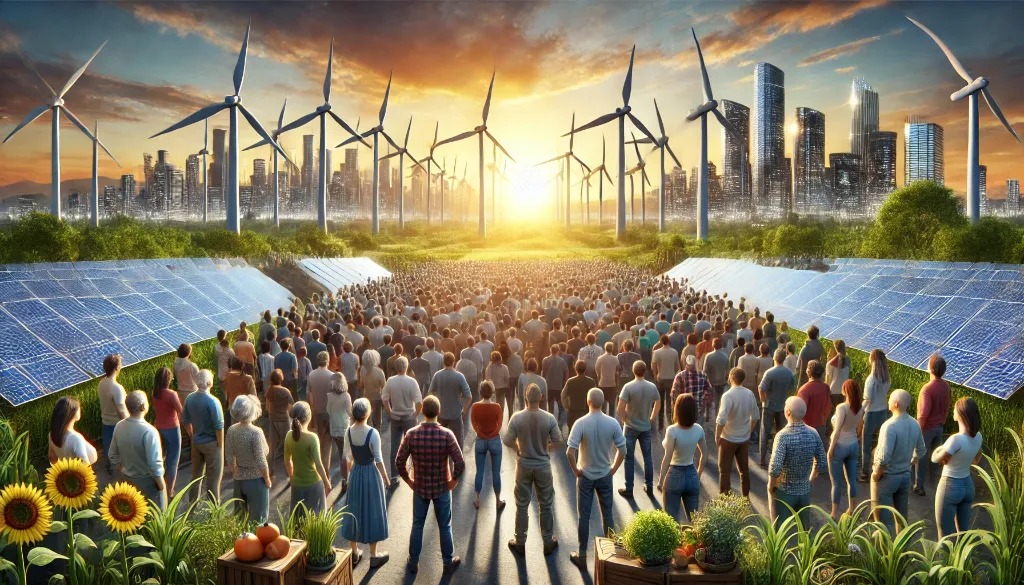
Conclusion: Moving Forward Together
Transitioning to a renewable energy economy is a necessary and urgent step to combat climate change and protect human health. However, the path forward must be equitable and inclusive, addressing both environmental and socioeconomic needs. A just transition ensures that fossil fuel-dependent communities are not left behind but rather are supported with the tools, resources, and opportunities needed to build a resilient future.
Through initiatives like the DOE’s Office of Manufacturing and Energy Supply Chains in the U.S. and the Just Transition Mechanism in the EU, governments are beginning to prioritize clean energy and the people and communities impacted by this shift. By investing in new job opportunities, providing comprehensive retraining programs, and fostering innovation in energy storage and infrastructure, these programs show that a sustainable future is within reach—if we move forward together.
In the end, the energy transition isn’t just about reducing carbon emissions. It’s about building a healthier, more prosperous, and more equitable world. When communities are equipped to adapt and thrive, the renewable energy economy can deliver benefits that go far beyond the environmental. By focusing on a just transition, we can ensure that all communities have the opportunity to participate in and benefit from a greener, more sustainable future.


