
As the world’s focus shifts towards clean and sustainable energy, the quest for reliable and efficient energy storage solutions grows ever more urgent. The need for advancements in this area has never been greater. Enter iron-air batteries—a groundbreaking technology set to redefine global renewable energy storage. These batteries are not just a technological marvel but also a potentially world-changing solution to various energy challenges faced globally today.
Form Energy’s Vision for Energy Storage: Iron-Air Batteries
Iron-air batteries have the potential to transform how we store and use energy, particularly in large-scale applications such as power grids. This is critically important at a time when the world is moving away from fossil fuels and towards renewable energy sources like wind and solar, which inherently face the challenge of intermittency—meaning they don’t produce energy all the time or exactly when and where it’s needed.
One company, in particular, has been at the forefront of this exciting field. Form Energy, founded in 2017, has been pioneering the development of iron-air batteries. Their vision is to create a world where clean, affordable, and reliable electricity is accessible to everyone. By using abundant materials like iron and atmospheric air, these batteries could store energy at a fraction of the cost of traditional lithium-ion batteries, making them an attractive option for broader deployment worldwide.
As we explore the sheer possibilities of iron-air technology, we’ll explore how these batteries work and their impact on the energy market, their socioeconomic implications, and the hurdles yet to be overcome. This article will serve as a guide to understanding why iron-air batteries are capturing the interest of energy experts globally and what they could mean for the future of energy storage.

What Are Iron-Air Batteries: Core Tech Powering the Future of Sustainable Energy Storage
How Iron-Air Batteries Work
Imagine storing energy using a process as familiar as rusting metal. This basic concept is at the heart of iron-air batteries, which utilize a process known as reversible rusting. When the battery is discharging, it absorbs oxygen from the air, causing the iron inside to rust. This chemical reaction releases electrons, which are harnessed as electrical energy to power homes or even city grids.
Conversely, when the battery charges, the process reverses: electricity, perhaps from a solar panel or wind turbine when those resources are plentiful, drives the reaction backward. The rust transforms back into iron and releases oxygen. This cycle allows for long-duration energy storage, capable of discharging for up to 100 hours, a feat that traditional lithium-ion batteries cannot economically achieve.
The Technical Advantages
Iron-air batteries offer some compelling advantages, making them a potential game-changer in the energy sector. First and foremost is cost. The materials required for these batteries—primarily iron, air, and water—are among the most abundant and inexpensive on Earth. This is in stark contrast to lithium-ion batteries, which rely on costly and less environmentally friendly materials like cobalt and lithium.
Moreover, the safety profile of iron-air batteries is another significant advantage. They operate using a water-based electrolyte, making them non-flammable, unlike some lithium-ion batteries, which can pose fire risks under certain conditions. This makes iron-air batteries particularly attractive for large-scale deployments, where safety is paramount.
Environmentally, iron-air batteries shine due to their recyclability and minimal ecological footprint. Since they’re built from materials that can be easily sourced and reused, they promise a more sustainable life cycle, reducing waste and lowering the carbon footprint associated with battery production and disposal.
These technical benefits position iron-air batteries not just as a complement to existing energy technologies but as a crucial component in the broader strategy to achieve a sustainable, carbon-free energy future.

Form Energy’s Development Plan for Iron-Air Batteries
Pioneering Projects by Form Energy
Form Energy has positioned itself at the forefront of the iron-air battery revolution, taking a leading role in not just developing this innovative technology but also scaling it for practical use. Their most ambitious project to date is set to take place in Lincoln, Maine, where Form Energy plans to install what would be the world’s largest iron-air battery system. With an astonishing capacity of 8,500 megawatt-hours (MWh), this project aims to store energy at unprecedented levels, capable of powering approximately 85,000 homes for multiple days.
This milestone project has been made possible through a significant grant from the U.S. Department of Energy, reflecting the government’s commitment to supporting innovative energy solutions that align with national goals of reducing carbon emissions and ensuring energy security.
Expansion and Manufacturing in West Virginia
To meet the rising demand for iron-air batteries, Form Energy has been rapidly expanding its manufacturing capabilities. A key part of this expansion is the establishment of a large factory in Weirton, West Virginia. This site, which was a former steel mill, is now transforming into a state-of-the-art manufacturing facility for iron-air batteries. Here, Form Energy is breathing new life into an area once hit hard by industrial decline, bringing hundreds of jobs and significant economic activity back to the community.
The manufacturing plant will ultimately become part of a broader network that Form Energy envisions will deliver scalable and cost-effective energy solutions both domestically and internationally. The process involves converting rust—a process where oxygen reacts with iron—back to pure iron to release stored energy, a cost-effective technique that makes the technology broadly accessible.
Strategic Collaborations
Collaboration has been a cornerstone of Form Energy’s strategy. Recently, they’ve partnered with several utility companies across the United States to deploy their technology at a commercial scale. This includes pilot projects with utilities like Great River Energy in Minnesota, aimed at integrating sustainability into local energy grids. Such collaborations are critical for testing the multi-day energy storage capabilities of the iron-air batteries and scaling these operations.
These efforts have been bolstered by strategic alliances with major industry players such as GE Vernova, paving the way for optimized manufacturing operations and supply chain efficiencies, which are essential for the future success of mass-deploying iron-air batteries.
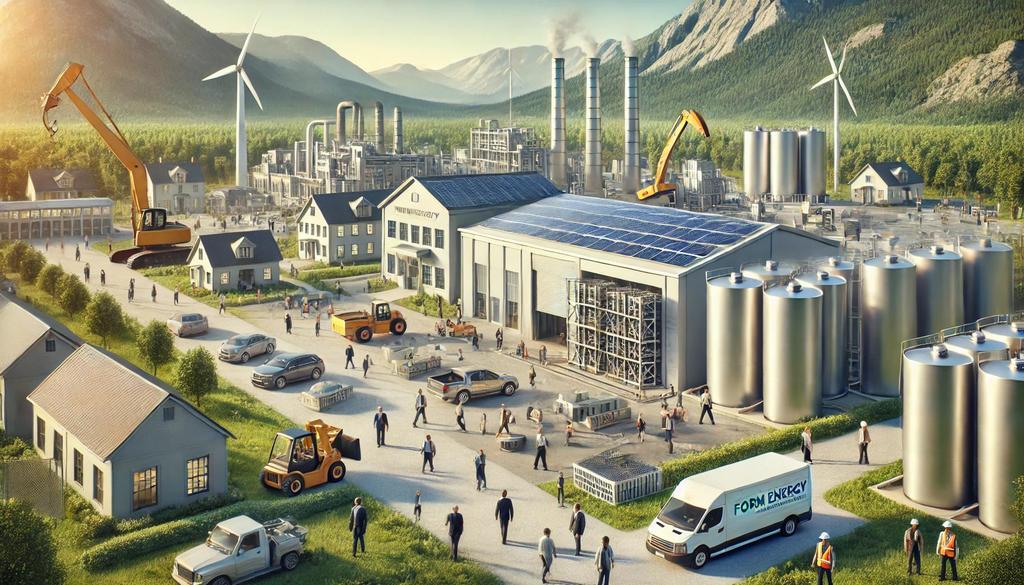
Iron-Air Batteries Can Drive Global Energy Security and Economic Revitalization
Impact on Global Energy Markets
The introduction of iron-air batteries into the energy market is poised to bring significant changes, particularly in countries like the U.S. where there is increasing pressure to transition to cleaner energy sources. By leveraging inexpensive and abundant materials, iron-air batteries can provide a stable and cost-effective solution to energy storage, potentially reducing the global dependency on lithium, which is mostly controlled by China.
This shift diversifies the global energy market and decreases volatility by creating alternative storage solutions. As these batteries become more widely available, they could fundamentally alter production and consumption patterns within the energy sector, fostering competition and innovation.
Continuing this trend, the recycling of e-waste, rich in critical minerals, presents an innovative path to bolstering energy security. With high-tech metals like gold, silver, and rare earth elements found in discarded electronics, recycling can reclaim value from what was once viewed as waste. By advancing formal recycling systems and integrating urban mining practices, nations can enhance resource independence and reduce environmental harm, supporting both economic revitalization and sustainable industrial practices.
Economic and Local Community Benefits
On a more local level, the economic benefits of deploying iron-air battery technology are substantial. Projects such as the manufacturing facility in Weirton bring new jobs and revitalize areas that have suffered from industrial downturns. By repurposing former industrial sites, Form Energy is not only helping the environment but also providing much-needed employment and economic growth in these regions.
Additionally, the cost reductions enabled by these batteries can translate into lower energy prices for consumers. As the technology matures and becomes more widespread, it promises to make renewable energy more accessible and affordable globally, aligning economic incentives with environmental goals.
The broader deployment of iron-air technology also stimulates industry-related innovations, from manufacturing to grid management, encouraging further technological advances and investment across sectors. These developments benefit local economies directly and contribute to a more robust and resilient overall energy market.

Exploring Use Cases and Challenges: Path Forward for Iron-Air Batteries
Gargantuan Potential and Scalability
The future of energy storage shines brightly with the emergence of iron-air batteries, especially as they address the limitations of current technologies. These batteries hold remarkable potential to stabilize the grid. As renewable energy sources such as wind and solar gain prominence, the need for dependable storage solutions that can manage the fluctuating nature of these sources continues to rise.
Iron-air batteries are perfect for such tasks because they can provide long-duration storage by discharging energy consistently for days rather than hours. For the shorter daily window of 8 to 24 hours, CO2 battery storage offers a mechanical alternative using liquid carbon dioxide with higher round-trip efficiency. This feature is critical for effectively using renewable energy, ensuring that there are enough reserves to meet demand even during periods of low production. This usage flexibility will be essential as we move towards a more renewables-driven energy grid.
Moreover, these batteries hold the potential to serve backup power roles, particularly in off-grid areas and during extreme weather conditions where traditional backup systems might fail. Their durability and low cost make them viable for deployment in remote communities and developing countries that experience unreliable power access.
Infrastructure Challenges Still Lie Ahead
Despite their vast potential, iron-air batteries face several challenges that need to be addressed as the technology progresses. One significant hurdle is the current lack of infrastructure for mass production and deployment. While Form Energy’s efforts are making strides, establishing a robust supply chain and manufacturing network to meet global demand remains a considerable challenge.
Additionally, while iron-air batteries offer cost advantages over lithium-ion in terms of raw materials, their efficiency rates currently lag behind. Whereas lithium-ion batteries return about 90% to 95% of stored energy as output, iron-air batteries yield around 50% to 70%, which can impact their attractiveness for certain applications where energy efficiency is critical.
There is also the challenge of proving commercial viability on a larger scale. Despite promising trials and secured investments, scaling up operations while maintaining cost efficiency is a daunting task. Moreover, as the market for long-term energy storage isn’t fully matured, defining the economic viability and competitive baseline remains crucial. Addressing these technological and market uncertainties will be vital for future innovations.

Transformative Potential of Iron-Air Batteries in the Global Energy Landscape
Iron-air batteries represent a monumental leap forward in the realm of energy storage solutions. As we continue to innovate towards a sustainable future, this technology offers both an environmentally friendly and economically viable alternative to traditional methods.
Form Energy’s trailblazing efforts, supported by strategic investments and collaborations, are setting a solid foundation for the widespread adoption of iron-air technology. Their projects provide not just proof of concept but also a roadmap for how energy infrastructure can evolve to meet the growing demands of our digital and renewable-centric age.
These batteries address the pressing need for long-duration storage solutions that can withstand the ebbs and flows of renewable energy sources. By harnessing readily available materials and offering a safer, more sustainable option, iron-air batteries could become an essential component of our global push towards net-zero emissions.
Yet, as the technology migrates from pilot projects to mainstream adoption, the challenges present significant opportunities for innovation. Energy storage is critical to achieving sustainable energy goals, and with each step forward, iron-air batteries bring us closer to a cleaner, more resilient future for all.
This potential should inspire further investment, research, and public engagement in the energy transition, highlighting the crucial role that cutting-edge scientific endeavors will play in our pursuit of an environmentally and economically sustainable world.


