
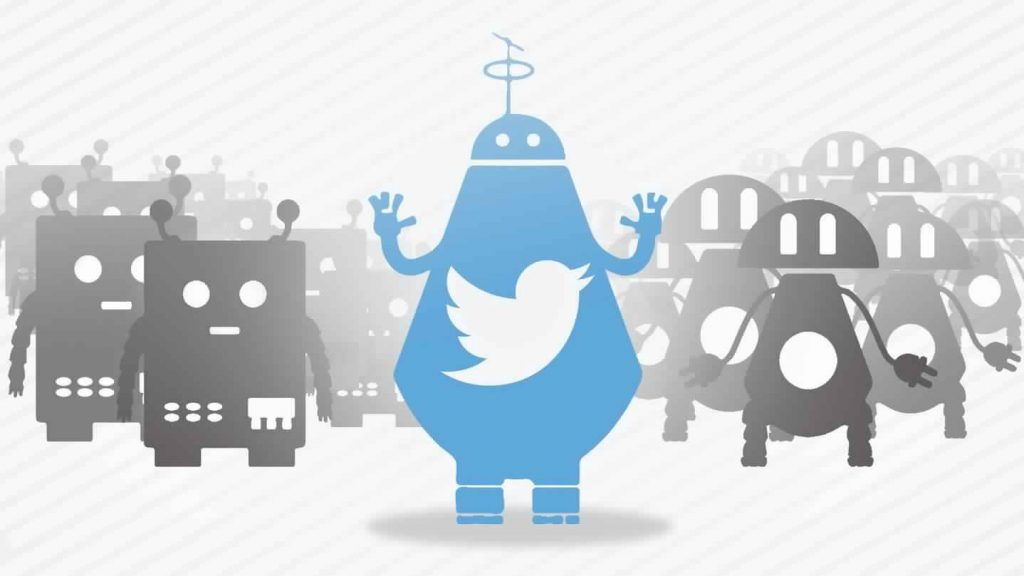
Surprise, surprise. A new study by Brown University, which was first reported by The Guardian, reveals that Twitter bots are responsible for spreading misinformation about climate change. The new analysis shows a quarter of all tweets discounting climate change is done by bots, every day.
Bots are a type of autonomous software that can pose as a human account, sending out tweets, retweets, or direct messages on Twitter.
Included in the analysis were millions of tweets supporting Donald Trump’s decision to withdraw from the Paris climate agreement. The bots applauded the decision along with spreading misinformation about the climate crisis.
The Guardian pulled a quote from the draft study which they had access to:
These findings suggest a substantial impact of mechanized bots in amplifying denialist messages about climate change, including support for Trump’s withdrawal from the Paris agreement.
The numbers from the analysis showed that, during the studied period, 25% of all climate crisis tweets came from bots. When tweets came in regarding “fake science” the numbers went up to 38% coming from bots. Bots were also responsible for 28% of all tweets about Exxon.
It’s not surprising that the bots are putting out positive tweets about major carbon producers like Exxon and spreading misinformation regarding climate change being a hoax.
Ph. D candidate at Brown University, Thomas Marlow, who led the study, was prompted to do this out of curiosity that he and his colleagues had; “always kind of wondering why there are persistent levels of denial about something that the science is more or less settled on.”
This same study showed that bots only sent out 5% of the tweets that supported action to help the climate crisis. The study exclaimed; “[these findings] suggest that bots are not just prevalent, but disproportionately so in topics that were supportive of Trump’s announcement or skeptical of climate science and action.”
The study wasn’t able to identify any individuals or groups responsible for the twitter bots, and could not say just how much influence the misinformation has. However, many of the suspected bots have large followings on Twitter.
When it comes to the climate crisis, Twitter accounts that spread false information are also allowed by Twitter to use the “promoted tweets” option. This generates extra visibility for those willing to pay, whether that information is true or not. However, Twitter bans promoted tweets related to any kind of political content.
Stephan Lewandowsky from the University of Bristol co-authored the research, and was not surprised by the study:
More often than not, they turn out to have all the fingerprints of bots. The more denialist trolls are out there, the more likely people will think that there is a diversity of opinion and hence will weaken their support for climate science. In terms of influence, I personally am convinced that they do make a difference, although this can be hard to quantify.
John Cook is an Australian cognitive scientist and co-author called the bots “dangerous and potentially influential.” He goes on to say:
This is one of the most insidious and dangerous elements of misinformation spread by bots – not just that misinformation is convincing to people but that just the mere existence of misinformation in social networks can cause people to trust accurate information less or disengage from the facts.
It is important to be aware of such things especially leading up to the November elections. Perhaps, with this study being released and this becoming public knowledge, Twitter will do something about it and ban such “promoted tweets” regarding the climate crisis, the same way they do politics.
In a very small way, it’s almost comforting to think that not as many people agree with Trump’s distorted views and complete disregard for science. But, then again it’s disturbing to think of mind control being initiated by tweets. Hopefully, with new innovations in artificial intelligence, we can create counter bots that sniff out misinformation and alert the right people.
Twitter has apparently already suspended 2 accounts revealed in the Guardian’s article.


