
For many seniors and people with disabilities, cooking can be both a source of joy and a challenge. As we age or face physical limitations, everyday tasks like preparing a meal can become more strenuous, particularly in a room like the kitchen where movement and flexibility are key.
A well-designed cooking chair offers a simple, effective way to help seniors and people with disabilities stay active in the kitchen, reducing physical strain while supporting independence. With the latest technology and health-conscious design features, these chairs are changing the way people approach kitchen accessibility.
Supporting Comfort and Safety with Cooking Chairs
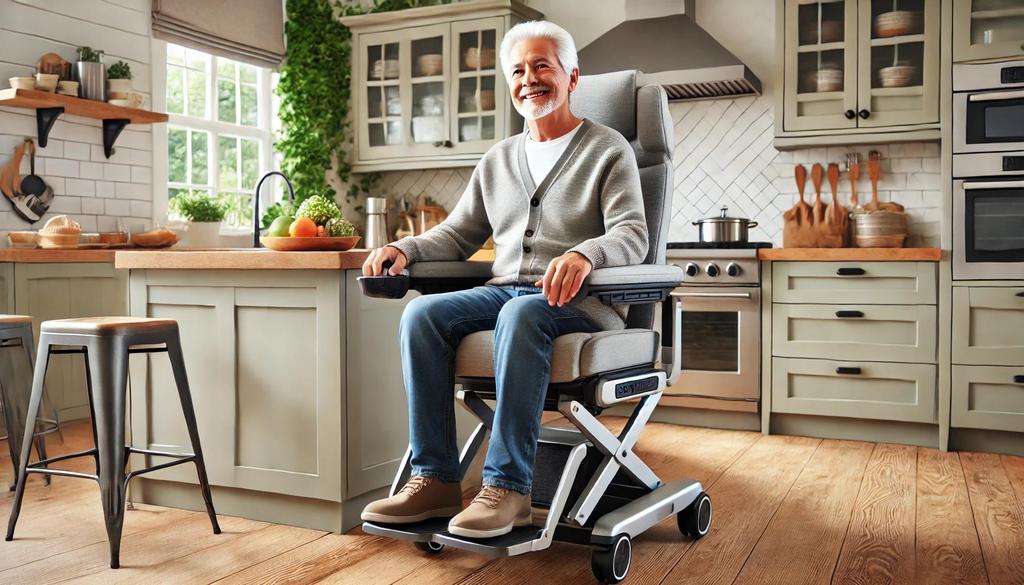
Cooking chairs are specifically designed to provide stable, comfortable seating that allows users to move freely and stay seated while reaching various kitchen workspaces. For those who find standing for long periods uncomfortable or risky, a cooking chair can make all the difference. These chairs often include features like height adjustment, padded seats, and smooth-rolling wheels, helping users to reach counters, stovetops, or sinks without needing to stand up repeatedly.
A well-chosen cooking chair combines stability with mobility, allowing users to shift positions easily and safely. This type of design minimizes the strain on knees, hips, and the lower back, helping users avoid unnecessary fatigue or discomfort. Take, for instance, a cooking enthusiast who struggles with knee pain or balance issues—a cooking chair can provide the freedom to move across the kitchen without fear of falling, letting them stay engaged in the activity they love.

Health Benefits of Using a Cooking Chair
Using a cooking chair provides real health benefits beyond simple convenience. For people with chronic pain, arthritis, or mobility issues, these chairs reduce the physical stress associated with prolonged standing, which can be particularly hard on joints. Sitting while cooking also encourages a healthier posture, as the right chair will support the lower back and reduce the tendency to slouch or lean.
The small, frequent movements that come with using a cooking chair—rolling between counters or adjusting position—can help improve circulation. For those who may experience swelling in the legs or feet, these gentle movements can relieve discomfort and help prevent fluid buildup. Many cooking chairs also feature ergonomic designs that keep the spine aligned and reduce muscle tension, which is especially valuable for users with conditions like sciatica or lumbar pain.
Advanced Features Bringing New Comfort
As technology advances, cooking chairs are now available with more innovative features tailored to meet a variety of needs. Some models offer options like built-in seat warmers, which can help relieve muscle stiffness, particularly for people with arthritis or other joint issues. Others include gentle massage settings, offering relaxation while seated and even promoting circulation.
Certain models also integrate smart technology, such as adjustable seat heights and easy-to-use remote controls, which let users customize their seating with minimal effort. For those with limited dexterity, remote-controlled adjustment features allow them to modify the chair’s position smoothly without struggling with manual levers. Imagine being able to switch from a seated position at the counter to a slightly higher one at the stove—all with a simple push of a button. This flexibility makes it easier to handle different kitchen tasks, while also keeping strain and discomfort at a minimum.

Balancing Mobility and Stability
One of the key design features of a good cooking chair is its balance between mobility and stability. Wheeled cooking chairs let users glide between different parts of the kitchen without needing to stand, allowing for easy movement while keeping everything within reach. For example, if someone is preparing a meal, they can roll to the fridge for ingredients, shift to the counter for chopping, and move on to the stove—all from a stable, supportive seat.
Safety is also crucial, and many cooking chairs come with locking wheels or casters to secure the chair in place when needed. This means that if someone needs to focus on a more delicate or intensive task, like chopping vegetables or stirring a pot, they can lock the chair to keep it steady. This added control provides a sense of security, making the kitchen experience more enjoyable and reducing the worry of potential slips or falls.
Maintaining Independence in the Kitchen
For seniors or those living with disabilities, one of the most valued aspects of a cooking chair is its role in supporting independence. Cooking is a way to stay engaged and maintain a routine, and having a supportive chair means users can participate fully in meal prep, baking, or any kitchen task without always needing assistance. Imagine a senior who loves baking their favorite bread recipe; with a cooking chair, they can follow each step comfortably, moving from mixing ingredients to kneading dough with ease.
This sense of independence is vital not only for physical health but also for mental well-being. Cooking chairs help users keep doing what they love and stay connected to their everyday lives by providing reliable support and a bit of freedom. They reduce the need to rely on family members or caregivers for every small task, bringing dignity and self-reliance to daily routines.
Choosing the Right Cooking Chair
The functionality of a cooking chair relies heavily on the quality and design of its wheels, which play a crucial role in ensuring both smooth mobility and user safety. High-performance casters allow users to glide effortlessly between kitchen areas while maintaining stability during seated tasks, especially when paired with locking mechanisms for added security. Understanding how components like those available through Caster City contribute to durability, weight support, and controlled movement can help highlight the importance of reliable wheel systems in enhancing the overall effectiveness and safety of mobility-focused seating solutions.
When selecting a cooking chair, it’s important to consider both health needs and the layout of the kitchen. Look for features that suit the user’s specific needs, such as a chair with adjustable height settings for working at both high counters and lower tables. Chairs with good cushioning are also essential for comfort, especially if the user has sensitive joints or back pain. For smaller kitchens, compact models with a streamlined base provide mobility without taking up too much space, while larger chairs with extra support features are ideal for those who need more stability.
Ergonomics are also a key factor. A chair that supports the natural curves of the spine can make sitting for extended periods more comfortable and help prevent back pain. Additionally, consider the type of wheels on the chair—larger, rubber-coated wheels tend to roll more smoothly and offer better control, which is particularly helpful for hard kitchen floors.
Making the Kitchen Accessible and Enjoyable
Adding a cooking chair for seniors or people with disabilities is more than just a convenience; it’s a way to make the kitchen a welcoming, functional space for everyone. By reducing physical strain, improving accessibility, and supporting independence, cooking chairs open up a world of possibilities in the kitchen. For those who enjoy preparing meals or simply want to stay active and engaged in daily routines, a cooking chair brings comfort, safety, and flexibility together in one essential piece of equipment.

