
Pharyngeal swabs (throat cultures) are widely used to determine when a patient can go home from the hospital and whether they should continue to self-isolate. But now a new study coming from the Institute of Infectious Diseases at Beijing Ditan Hospital, by Capital Medical University, shows that some patients may test negative with a pharyngeal swab test but test results of their sputum (phlegm) or feces (poop) are positive for SARS-CoV-2. Meaning, they are still carriers of the virus. However, more research needs to be conducted to know if they are still infectious.
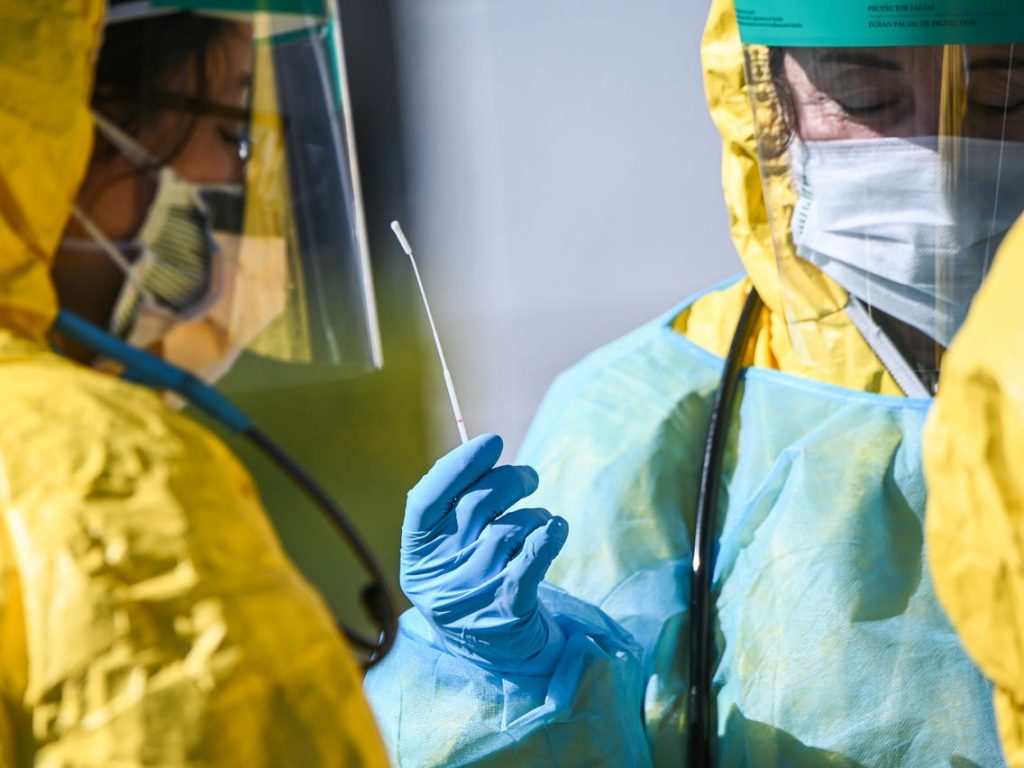
The research involved 133 patients who were admitted to the hospital with a diagnosis of COVID-19 between January 20 and February 27, 2020. The clinicians then had real-time fluorescence polymerase chain reaction (RT-PCR) tests of either sputum or feces paired with pharyngeal swabs.
In all, 22 of the patients had a positive RT-PCR test result paired with a negative pharyngeal sample. RT-PCR positive for SARS-CoV2 of sputum was seen up to 39 days after pharyngeal samples were negative and up to 13 days for feces. These findings are worrisome because the researchers are unsure if patients with a negative pharyngeal swab are truly virus-free. It might be necessary to sample additional body sites.

Although, the authors of the study do note that the research wasn’t carried out systematically (the patients weren’t tested in a protocolized manner). They also don’t know yet whether positive sputum or fecal results indicate that the patient could still be infectious to others. Nevertheless, the findings shine a light on the importance of further research in this area. Another study performed in China had found 1 patient testing positive fecal results for 47 days after initial infection.


