
Cryogenics has long resided at the edge of science fiction and rigorous scientific inquiry. While the idea of freezing and potentially reviving the human body has intrigued many, practical applications have lagged behind imagination. Initially gaining notoriety through speculative literature and the ambitions of a few early adopters, this field is now experiencing a surge in credibility thanks to recent breakthroughs in cryopreservation techniques. Pioneering research, such as that from Fudan University in Shanghai, promises to significantly alter our understanding of brain preservation and its future implications.

The Icy Frontier of Cryogenics: Science Made Simple
What is Cryopreservation?
Cryopreservation involves cooling biological specimens to sub-zero temperatures to halt all biological activity and preserve them for potential future revival. Traditional methods like those involving Dimethyl Sulfoxide (DMSO) have been inadequate for cryopreserving complex tissue such as the human brain due to the inherent complexities of neural structures and functions.
Recent Breakthrough in Brain Cryopreservation
A recent study detailed in Cell Reports Methods discusses the successful development of a new cryopreservation solution by Dr. Zhicheng Shao and his team. This technique leverages a combination of sugars and antifreeze compounds to maintain the cellular integrity of brain organoids—miniaturized and simplified versions of the brain produced in vitro. This revolutionary method, named MEDY, exhibits the potential to preserve brain tissues with minimal cell death upon thawing.
Understanding the complexities of cryopreserving human brain tissue might seem like a tall order, but recent strides have made this once-futuristic concept a tangible reality. Let’s break down how an exciting new method is pushing the boundaries of brain cryopreservation.
The MEDY Cryopreservation Method: A Deep Dive
At the heart of this breakthrough is the work of Dr. Zhicheng Shao and his colleagues at Fudan University in Shanghai. Their innovation revolves around a specially formulated cryopreservation solution called MEDY, which stands for Methylcellulose-Ethylene Glycol-DMSO-Y27632.

Why Do We Need Special Solutions?
When water freezes, it turns into ice, expanding and forming sharp crystals that can damage delicate biological tissues. Brain tissues, with their intricate networks of neurons and supporting cells, are particularly vulnerable to such damage. A simple freezing process would lead to massive cellular destruction, rendering the tissue useless for any future revival or research purposes.
How MEDY Works
MEDY addresses these issues by incorporating several key components:
- Dimethyl Sulfoxide (DMSO): Acts like antifreeze, preventing ice crystals from forming and thus protecting the cells.
- Ethylene Glycol: Another antifreeze agent, providing additional protection against ice crystal formation.
- Methylcellulose: A thickening agent that helps maintain the structure of the brain tissue during the freezing and thawing processes.
- Y27632: A compound that helps preserve cell viability by inhibiting pathways that lead to cell death.
Process of Cryopreservation
Here’s how the process works, step-by-step:
- Growth of Brain Organoids: Researchers first grow brain organoids, which are tiny, simplified versions of the human brain, in the lab using human stem cells.
- Exposure to MEDY Solution: These organoids are then immersed in the MEDY solution, which permeates the cells, replacing some of the water content and preventing ice crystal formation.
- Freezing: The organoids, now infused with the MEDY solution, are gradually cooled down to an ultra-low temperature using liquid nitrogen. This slow cooling process ensures an even distribution of the cryoprotectants, which is crucial for maintaining cell integrity.
- Storage: The frozen organoids are stored in specialized cryogenic chambers under these low temperatures, effectively pausing all biological activities.
- Thawing: When researchers need to use the preserved brain tissue, it is carefully thawed. Thanks to the MEDY solution, the cells start to function normally again without the extensive damage usually caused by freezing and thawing.
Less Cell Death, More Viability
The result? Significantly less cell death and more viable, functional cells after thawing compared to traditional methods. This is a huge step forward, as it ensures that the delicate architecture and function of the brain tissue are preserved for future study or potential revival.
Why This Matters
This new method opens up a plethora of possibilities. It could revolutionize how we store brain tissues for research on neurological disorders like Alzheimer’s and epilepsy. Additionally, it lays the groundwork for future advancements in cryonics aimed at preserving entire human brains or bodies for potential future revival, a concept that has fascinated humanity for decades.
In essence, what Dr. Shao’s team has achieved is akin to hitting the “pause” button on the biological clock, creating a state where delicate brain tissues can remain intact and viable for extended periods. This not only paves the way for groundbreaking research but also brings the once-distant dream of brain preservation and potentially even revival closer to becoming a reality.

Case Studies and Philosophical Deliberations
The Curious Case of Li Zehou
A name synonymous with Chinese philosophy, Li Zehou transitioned from the world of intellectualism to the realm of cryogenics in a move that emphasizes the interdisciplinary nature of scientific progress. According to a report by ABC, Li’s brain now rests in a cryogenic chamber in Arizona, courtesy of the Alcor Life Extension Foundation. Li’s intent was not revival but rather the study of whether Chinese culture left a quantifiable imprint on his brain. This curiosity aligns with his ji dian theory, proposing that cultural influences manifest in the brain’s structure.
Li Zehou’s fascination with cryogenics was deeply rooted in his philosophical inquiries. Through this innovative approach, he sought to bridge the gap between culture and biology. He believed that if his brain could be preserved in a near-perfect state, future scientists might make groundbreaking discoveries. Specifically, he hoped they could determine whether an individual’s cultural and intellectual experiences could leave lasting, measurable imprints on the brain’s physical structure.
This idea is not merely academic speculation; it intersects with ongoing research into neuroplasticity—the brain’s ability to reorganize itself by forming new neural connections throughout life. By preserving his brain, Li hoped to provide a valuable specimen for future neuroscientists to study, potentially validating his ji dian theory.
His decision also reflects a broader philosophical question: How much of our identity is shaped by the cultural context we live in, and can this influence be quantified in our neural architecture? As Alcor continues to safeguard Li’s brain, the world watches with keen interest, contemplating the profound implications of his dream to link culture, philosophy, and advanced science in a singular, frozen legacy.

Alcor and the Quest for Preservation
Alcor, an organization at the forefront of cryonics, aims to preserve human bodies and brains at ultra-low temperatures, holding out the hope that future advancements might unlock the secrets of revival. The process involves replacing blood with preservation solutions, gradually cooling the body to -196 degrees Celsius, and storing it in liquid nitrogen. Despite the skepticism from portions of the scientific community, Alcor continues its research, emphasizing potential future applications beyond human revival, such as organ preservation.
Alcor’s approach to cryonics extends beyond just the end goal of human preservation and revival; it is deeply rooted in advancing the scientific understanding of ultra-low temperature biology. For instance, their process begins with a comprehensive legal and logistical framework, ensuring that all procedures conform to ethical and legal standards. Once a patient is declared legally dead, Alcor’s specialized team initiates the cryopreservation process. They begin by promptly cooling the body to lower its temperature. Next, they administer a series of cryoprotectants. These substances are designed to prevent ice crystal formation, which could otherwise damage cellular structures.
The subsequent gradual cooling to -196 degrees Celsius is meticulously controlled to minimize thermal stress on the tissues. Stored in highly sophisticated vacuum-insulated containers filled with liquid nitrogen, these preserved bodies and brains become invaluable assets for both current and future research. Alcor’s projects are not solely focused on the hope for future revival. They also contribute significantly to advancements in various medical fields.
For example, innovations in organ transplantation and long-term cellular preservation are direct beneficiaries of their research. These advancements offer avenues for breakthroughs that could benefit living patients today. Moreover, they hold the potential to positively impact future generations, enhancing overall healthcare practices and outcomes.

Potential Future Applications and Ethical Considerations
Medical Research and Therapeutics
The successful cryopreservation of brain tissues opens new avenues in medical research. Preserved brain tissues can serve as valuable resources for studying diseases such as Alzheimer’s, epilepsy, and other neurological disorders. By enabling long-term studies on cryopreserved samples, researchers can potentially develop better therapeutic strategies and enhance our understanding of these conditions. Moreover, the preservation of various brain regions as organoids might aid in personalized medicine, offering tailor-made treatments for different patients.
In addition to disease research, the cryopreservation of brain tissues could revolutionize drug development and testing. Pharmaceutical companies could conduct more accurate and comprehensive preclinical trials using preserved brain organoids. This approach would reduce the time and cost associated with bringing new drugs to market and could lead to more effective and targeted therapies with fewer side effects.
Furthermore, cryopreserved brain samples could also facilitate the study of rare neurological conditions that are difficult to research otherwise, opening up possibilities for breakthroughs in areas previously considered intractable. As a result, cryonics not only promises future medical advancements but also holds the potential to significantly improve current healthcare practices.
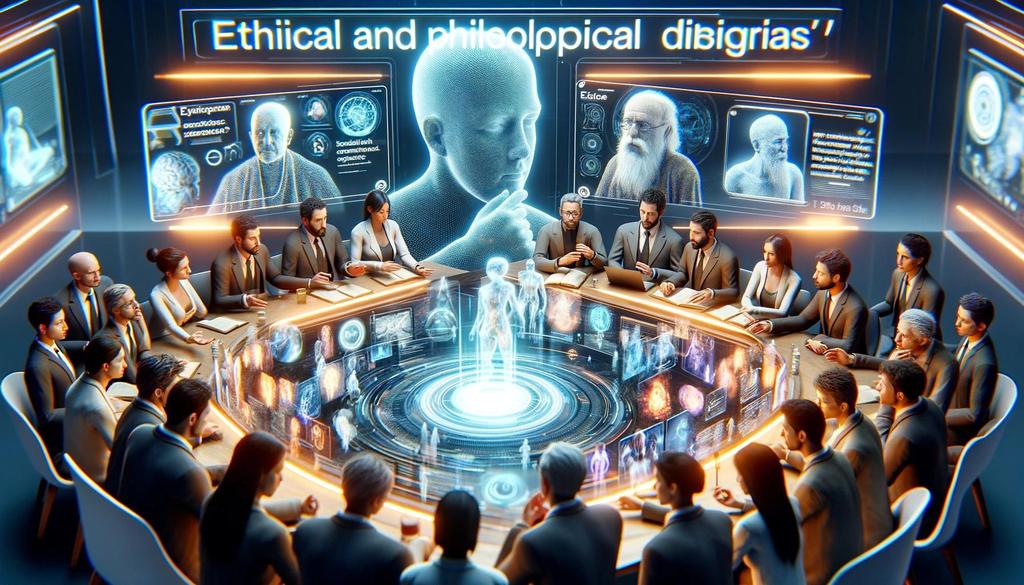
Ethical and Philosophical Dilemmas
While the scientific advantages are promising, the ethical implications of cryopreservation are complex. Issues such as the consent for brain preservation need careful consideration. The potential for revival also raises significant ethical questions. Socio-economic dynamics surrounding access to cryonic services cannot be overlooked. Philosophers like Li Zehou add another layer to the discussion: whether our cultural and intellectual legacies can or should be preserved in this manner.
Furthermore, the implications of cryopreserving our brains extend beyond mere physical preservation; they touch upon the essence of human identity and continuity. Philosophers and ethicists will need to engage in deep discussions about the implications of potentially reviving individuals who might find themselves in a world vastly different from the one they left. Questions about the authenticity of identity, whether a revived individual retains the core of who they were, and how society integrates such individuals will be paramount. As we stand at the intersection of cutting-edge science and enduring ethical considerations, the decisions we make today will shape the moral landscape of future generations.
Technological and Societal Impact
The cryopreservation field is not just confined to preserving life or studying tissue but could fundamentally alter our perceptions of life and death. If revival becomes feasible, society will have to grapple with entirely new existential questions. Furthermore, advancements in cryogenics could revolutionize fields like organ transplantation, where preserved organs might be “banked” for future use, drastically reducing waiting times for transplants.
As we venture deeper into the realm of cryonics, societal norms, and legal frameworks will inevitably need to adapt to these new realities. Questions about the rights and identities of revived individuals will arise, requiring careful legal and ethical consideration. The notion of “reanimation consent” will introduce new ethical dilemmas that must be addressed to respect individual autonomy. Moreover, the potential socioeconomic divisions in access to these advanced technologies will demand robust discourse.
Thoughtful policy-making will be essential to ensure equitable access and to navigate these complex issues. The implications for inheritance laws, medical ethics, and even cultural rituals surrounding death and dying will necessitate a reassessment. As cryonics evolves from the fringes of scientific curiosity to a cornerstone of futuristic medicine, its ripple effects will be felt across all facets of human life, fundamentally reshaping the landscape of our shared existence.

Skeptical Views in the Scientific Community
Despite advancements, skepticism remains a vital component of scientific progress. Critics argue that despite the advancements, the gap between freezing and effective revival is vast. For instance, as noted by RMIT’s Gary Bryant, the current cryopreservation methods, while sophisticated, may not yet sufficiently address the complexities involved in reviving a functional human brain. Nevertheless, continued research and collaboration could gradually bridge these gaps.
Building Today’s Foundation for Tomorrow’s Breakthroughs
It’s worth noting that the pioneers of brain cryopreservation aren’t merely freezing tissue—they’re also freezing time, creating repositories of human neural complexity for future scientific exploration. Much like early space missions set the groundwork for our current advancements in space travel, our efforts today in cryonics will provide crucial insights that future generations will build upon. Each brain, meticulously preserved using cutting-edge techniques like those developed by Fudan University, serves as a data point in a grand experiment that spans decades, if not centuries.
As we refine our understanding of cryoprotection and cellular viability, these frozen specimens will become invaluable resources for developing revival protocols. By preserving brain tissues’ delicate architecture and functionality now, we lay a robust foundation for future scientific advancements. This meticulous preservation ensures that tomorrow’s scientists will have the vital tools and knowledge necessary to tackle the monumental task of revival. Through these efforts, the aspirational visions we hold today can evolve into the scientific realities of the future.

The Future Freezing Point
The journey from science fiction to scientific fact is fraught with challenges, ethical conundrums, and potential game-changing discoveries. The advancements in cryopreservation techniques mark just the beginning of what could be a transformative era in medical science and beyond. As researchers like those at Fudan University and organizations like Alcor continue to push the boundaries of what’s possible, the dream of preserving life and the essence of our humanity edges ever closer to reality.
The path forward will require balancing hope with rigorous scientific validation, ensuring that we thaw into an even brighter tomorrow as we freeze the best of today. The potential is boundless, but only if pursued with careful thought, ethical consideration, and undeniable scientific rigor.


