
There is a small island nation east of Madagascar called Mauritius. It was colonized in 1638. Since then, it has lost more than 130 plants and animals by human-driven extinction. The most current species that is being pushed toward extinction is a fruit bat known as the Mauritian Flying Fox. The population of these endangered bats has reached fewer than 30,000 because the government has killed more than 50,000 of them since 2015.
They are killing them on purpose. Officials claim that the cull is necessary to protect fruit growers’ crops. Mahen Seeruttun, Mauritius’s minister of agro-industry and food security, told the local press:
“They cause significant damage to the plantations. We are not here to eradicate this species, but we need to make sure the numbers are manageable.”

However, studies have shown that flying foxes account for only 11 percent of damage to large mango trees and 9 percent to lychees, the two main types of fruit in question. And to top it off, yields of these fruits have actually decreased since the culls began, claims Mauritius’s Food and Agricultural Research and Extension Institute. Still, bats continue to be blamed for losses and targeted.
Vincent Florens, an ecologist at the University of Mauritius, said:
“I invite colleagues to come to Mauritius to have a look at what we should not do to nature. We’re really going to the bitter end of illogic with the government. Culling of flying foxes has never worked to achieve higher profits—so who is really benefiting from it, if it’s neither fruit planters nor threatened biodiversity?”
To tackle this problem, several of Florens’s scientific colleagues are supporting a lawsuit against the government on grounds of animal welfare violations—specifically, that culling bats with rifles violates section 3.1.a. of Mauritius’s Animal Welfare Act. They must win the case because if they do not, Florens and others worry that Mauritius could set a dangerous precedent for targeting endangered species around the world that are deemed nuisances to human activity.
Guillaume Chapron, an ecologist at the Swedish University of Agricultural Sciences, whose work on using legal action to win conservation battles inspired the researchers in Mauritius, said:
“Mauritius is a small story on the planetary level, but here we have a very good illustration of how the world gets destroyed. Even for a government that’s an international model for conservation, as soon as wildlife is perceived to impact economic interest, there’s no political will anymore.”
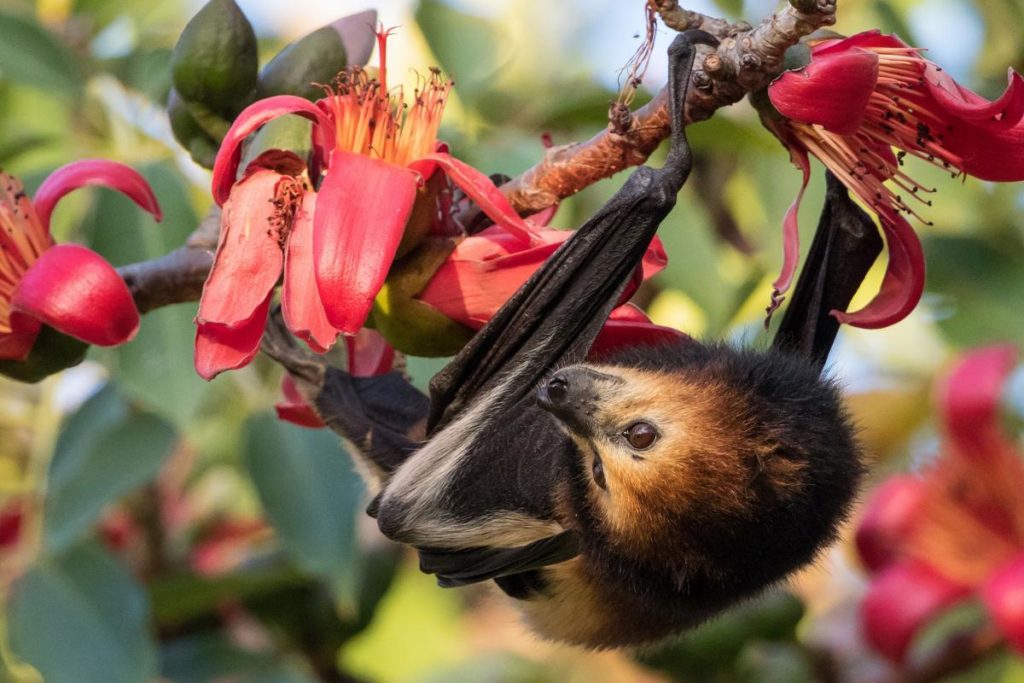
Flying foxes are ecological keystones because when they eat fruit, they pollinate flowers and scatter seeds, ensuring that forests can thrive. Many species that would normally have contributed to the job of dispersing seeds on the island —including dodos, giant tortoises, Broad-billed parrots, and two other flying fox species—have already gone extinct. Florens said:
“Their ecological role is enormous. All these trees are dependent on this one little endangered bat that the government is massacring.”
When The Blaming Began

In 2002 Mauritius’s fruit growers—who traditionally sold their lychees and mangos at local markets—began exporting them. Of course, as they started making more money, they became increasingly concerned with losses wanting to eliminate anything that could possibly cause them.
Hervé Hardy, a retired sugar factory transport manager who is one of the most outspoken advocates for the culls. He has published several opinion pieces in the local media in support of them. He said:
“Back in the 1970s, bats were only living in the mountains, the forest. Now, we have bats everywhere in the country, and they destroy all the fruits. I’ve seen the evolution of bats myself, that’s why I’m fighting. When people say bats have nearly disappeared, I know it’s not true.”
Hardy is only one of many. Several other fruit growers agree, and their lobbyists began to call for a cull. Politicians took heed to win over the rural votes when election time came around. Florens sees this bat massacre as:
“The purpose of culling is not to increase the harvest of fruit but the harvest of votes.”

The government undertook its first large-scale cull in 2015. They had set a cull kill quota of 30,000-plus bats which they soon realized would be very difficult to achieve by only hunting bats near orchards. Florens said:
“In the orchards, they’d shoot one bat, and 15 would fly away. So they began targeting bats deep in the forest, including in protected areas, where the animals concentrate to roost. This strategy was aberrant because it targeted bats in places where they should be safest and because it removed some of the least problematic individuals from the population—those that likely aren’t eating farmers’ fruit. Flying foxes tend to stick close to home, he says, and ones living in the forest probably aren’t traveling to distant commercial fruit trees to forage. In short, a bat in the orchard is sure to be eating commercial fruit, but one in the forest is much less likely.”
Trying To Rectify The Issue
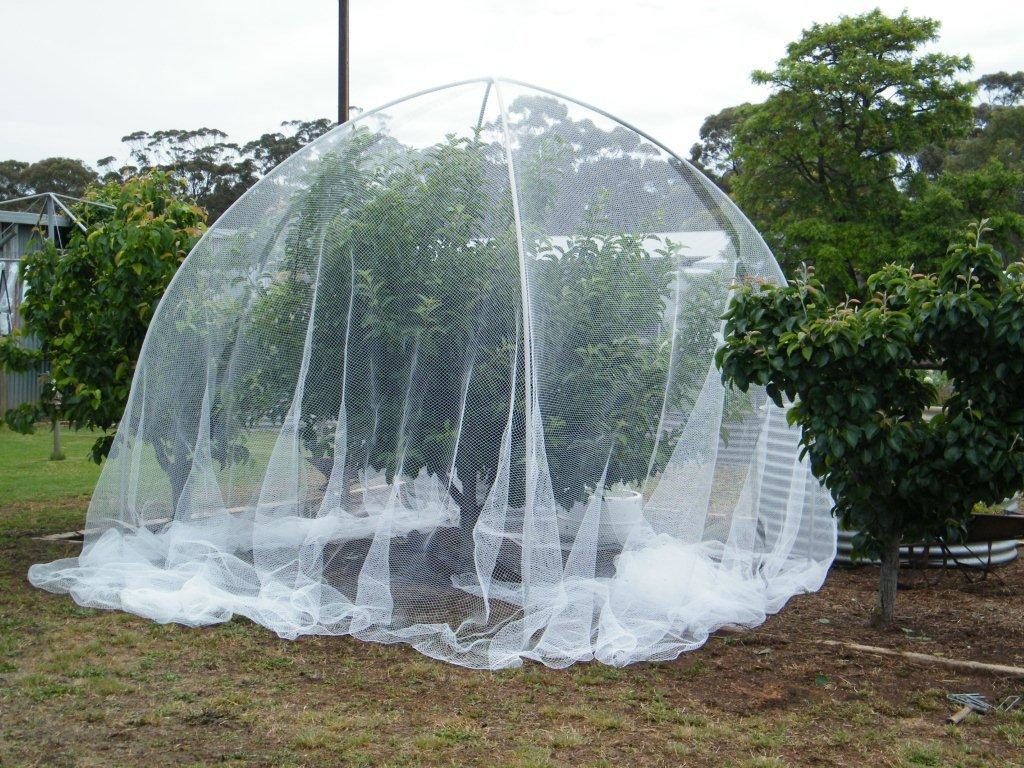
In 2018, the International Union for Conservation of Nature (IUCN), which sets the conservation status of species, raised the Mauritian flying fox’s status from vulnerable to endangered. Meanwhile, as litigation continues, Florens and his colleagues continue to push for education and to propose alternatives to killing the bats. For example, trees can be protected from flying foxes with netting, a strategy successfully used in Australia and Thailand.
“Culling flying foxes has been shown to be useless. The only thing that really works is protecting trees with nets.” – Vincenot
Another idea Florens and his colleagues eventually hope to create is a bat-friendly certification that will allow consumers at home and abroad to use purchasing power to support fruit growers who sustainably exclude bats from their crops rather than rely on culls. Florens said:
“We hope that farmers who put up nets will make so much money that others who continue to count on the cull will be put out of business. We want to change the mentality at the grassroots.”


