
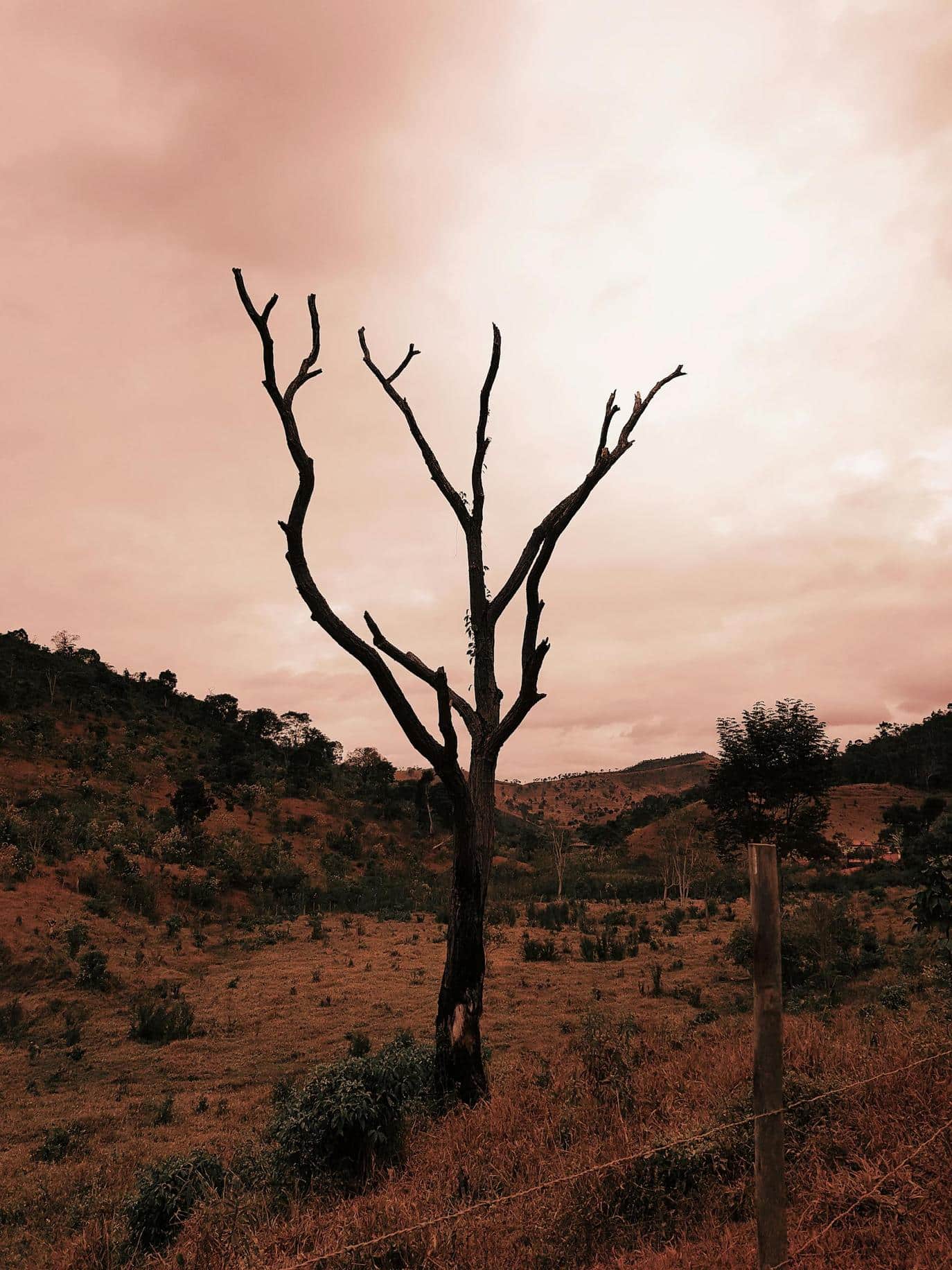
A dead tree standing silently in a yard may seem harmless, but it presents significant, often-overlooked risks to homeowners. While they may appear as part of the natural scenery, their presence can threaten safety and property value. Ignoring a dead or dying tree can affect your immediate surroundings and the long-term health of your landscape. From attracting pests to increasing fire hazards, dead trees create multiple problems that can escalate if left unchecked. Understanding why tree removal is important can help homeowners make informed decisions and maintain a safe, attractive, and thriving property. This article explores the key reasons why dead trees should be removed promptly.

Direct Safety Hazards for People and Property
Dead trees are structurally weak, making them prone to falling unexpectedly. Strong winds, heavy rains, or even the gradual decay of branches can cause limbs, or the entire tree, to collapse.
Such events pose serious safety risks in yards frequented by children or pets. Imagine a branch breaking during playtime or a full tree toppling onto a fence or car; the consequences can be severe. Removing dead trees is a proactive measure that safeguards your family, guests, and personal belongings from accidents. Eliminating these hazards can prevent potential liability issues, as property owners could be held responsible if someone is injured due to neglecting a dead tree on their land.
Why Professional Removal Is the Safest Choice
While it may seem straightforward, the tree removal process carries significant risks that homeowners often underestimate. Dead or unstable trees can collapse unpredictably, creating hazards during DIY attempts. Relying on trained arborists is therefore the most responsible choice. Professionals have the right equipment, expertise, and techniques to handle the job safely while protecting nearby structures and landscaping.
For example, Shane’s Trees experts can assess the tree’s condition, plan the safest removal strategy, and ensure the debris is disposed of properly. Choosing professional removal minimizes potential injuries and saves time, money, and stress by guaranteeing the work is completed with precision and efficiency.

Increased Damage During Storms
Dead trees are particularly vulnerable during storms, when high winds and heavy precipitation can easily bring them down. Unlike healthy trees, which have flexible branches and strong root systems, dead trees lack the structural integrity to withstand extreme weather.
A falling tree can damage homes, garages, vehicles, or fences, resulting in costly repairs. Even partial collapses, such as dropping a large branch, can destroy landscaping, block driveways, and create hazardous debris.
By removing dead trees before severe weather strikes, homeowners can prevent financial loss and the emotional stress associated with storm damage. Taking preventative action is far safer than reacting to a disaster.
Attracting Pest Infestations and Disease
Dead trees create an ideal habitat for pests and diseases, which can spread to healthy plants and structures. Common threats include:
- Insect Infestations: Termites, beetles, and ants are naturally drawn to decaying wood.
- Fungal Growth: Fungi and other diseases can migrate from a dead tree to surrounding vegetation.
- Wider Contamination: Infestations can sometimes extend beyond the immediate property to neighboring homes.
Prompt removal of dead trees reduces these risks, protects your plants, and maintains the health of your yard’s ecosystem. It’s about preventing biological threats from taking hold.
Maintaining Property Value and Aesthetics
A dead tree can quickly detract from the visual appeal of your landscape, making an otherwise well-kept property appear neglected. Even a single decaying tree can disrupt the visual balance of a garden or backyard. The visual impact can reduce curb appeal, affecting potential buyers’ first impressions and lowering property value.
For homeowners considering selling or renting, dead trees can make a property seem poorly maintained, even if the rest of the yard is pristine. Removing dead trees ensures that your property maintains a polished and appealing look, contributing positively to neighborhood aesthetics while enhancing your own enjoyment of the outdoor space.

Long-Term Root System Damage
Dead trees leave behind root systems that can compromise your property. As roots decay, they can destabilize the soil, potentially causing cracks in driveways, sidewalks, or even building foundations.
The decomposing root system also creates uneven ground that may pose tripping hazards or complicate future projects. Furthermore, decaying roots attract burrowing pests like rodents, which can cause additional damage to your landscaping.
Significant Fire Safety Considerations
A single spark or lightning strike can easily set a dead tree ablaze. This fire can then endanger nearby homes and surrounding vegetation. Dead trees can fuel the spread of wildfires, particularly in areas prone to drought or forest fires. Removing dead trees reduces fire hazards and creates a safer environment, protecting your property, family, and even the community. Proper management of dead vegetation is a key element of responsible property ownership in fire-prone regions.
Encouraging Healthy Growth for Other Plants
Dead trees can inhibit the growth of surrounding vegetation. They often block sunlight, preventing flowers, shrubs, and young trees from receiving the light they need to thrive. Decaying trees can create stagnant airflow and excess moisture around their base, encouraging fungal growth and disease in nearby plants. Removing dead trees opens space for new growth, promotes healthier plant development, and allows sunlight and nutrients to reach all parts of your yard. This approach ensures that your garden remains vibrant and productive, maximizing the potential of your landscape for beauty and sustainability.
A Proactive Approach to A Safer, Healthier Property
Dead trees are more than a visual issue; they are a growing liability. The risks they pose—from unexpected falls and storm damage to pest infestations and fire hazards—directly threaten the safety and value of your property. Ignoring a dead tree means allowing these dangers to escalate, creating a preventable crisis for your home and family.
Professional tree removal is the most effective way to mitigate these threats. A certified arborist not only eliminates the immediate danger but also helps preserve the health of your surrounding landscape. An investment in prompt removal is a crucial choice for protecting your property, ensuring your family’s safety, and maintaining a thriving, beautiful outdoor environment.
Frequently Asked Questions About Dead Tree Removal
How Can I Tell If a Tree on My Property Is Dead?
Key signs include a lack of leaves in the growing season, brittle branches that snap easily, cracks in the trunk, or peeling bark. The presence of fungus or mushrooms near the base is also a strong indicator of decay.
Is It Safe to Leave a Dead Tree Standing?
Leaving a dead tree standing is unsafe. A dead tree has lost its structural integrity and can fall at any time, especially during a storm. Such an event poses a significant risk to people, pets, and property, making removal a critical safety measure.
Can I Remove a Dead Tree Myself?
DIY removal may be possible for small, easily accessible trees. For large trees or those near structures, however, the work is highly dangerous. Professional arborists have the specialized equipment, insurance, and expertise to remove trees safely and efficiently without causing damage.

