
Millions of hungry refugees who live in harsh desert environments around the world, could all be fed thanks to a collaboration of Syrian refugees and a team of experts in hydroponics and soil health.
A team, from the University of Sheffield (UoS), found a way to use discarded mattresses, which are piling up in landfills, to grow peppers, tomatoes, aubergines, and herbs, in the Zaatari refugee camp in Jordan. Many of the Syrian refugees are already experienced farmers, so they picked up on the hydroponics system quickly. Hydroponics is a method of growing plants without soil.
People become refugees because they either flee war, persecution, or natural disaster. Abu Wessam is a Syrian refugee who fled war, who’s now living in Zaatari camp.
Wessam said:
We came here as refugees because of the destruction and killing in Syria. We came to the Zaatari camp, and the conditions were very bad when we arrived. The situation was miserable. We used to live in houses; now we live here in tents – six or seven people in one tent.
Foam Mattresses
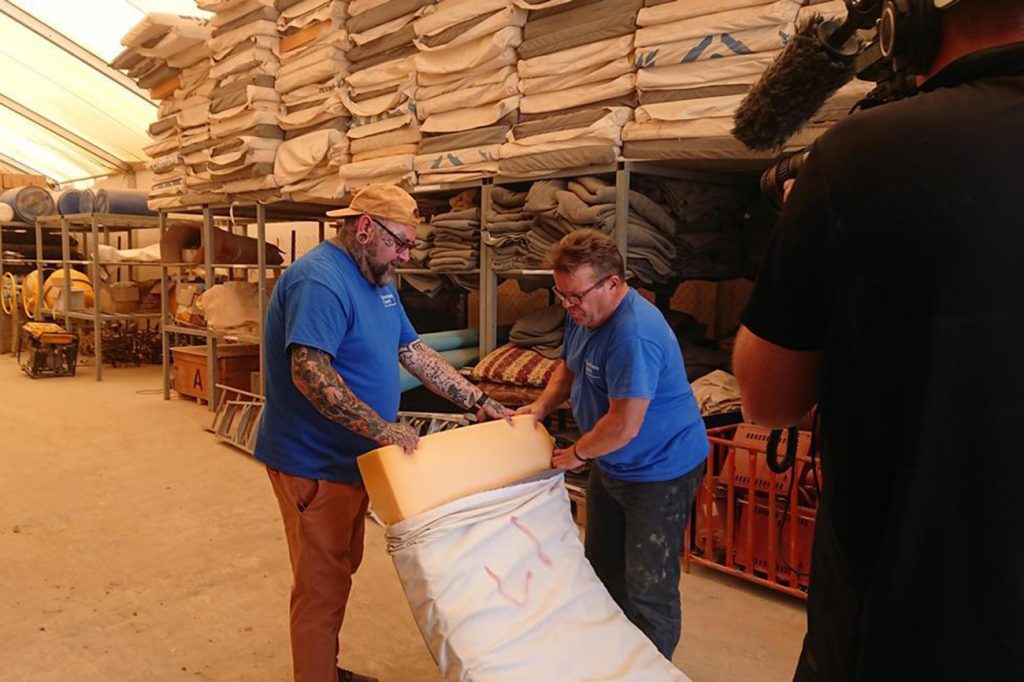
Around the world, thousands of used foam mattresses get discarded by aid workers in refugee camps. The scientists in Sheffield recognized that the mattresses could be used as a growing medium for crops and started developing foam soils in their labs.
The researchers taught the refugees a carefully balanced nutrient solution, how to fill the waste containers with mattress foam, and how to plant seedlings straight into the foam. The foam will support the plant’s roots as it grows.
Desert Gardens
The team worked closely with the refugees, and together they made desert gardens. These gardens provide people in the camp with training opportunities, fresh vegetables, and herbs, along with much-needed greenery in the harsh desert landscape. “As scientists, we’ve learned an enormous amount from the refugees about how our research can be applied in the real world, and they’ve gained valuable skills for the future,” said Professor Duncan Cameron, Director of the Institute for Sustainable Food at the UoS.
The use of foam in crop growth has demonstrated its potential to grow more sustainably, and in places with degraded soils. This method of growing eliminates the need for pesticides and uses 70-80% less water than planting straight into the ground.
The Project
Dr. Moaed Al Meselmani, Manager of the Desert Garden Project at the UoS, explained:
When you’re forced to flee your home, it’s the simple things you miss – like a cup of fresh mint tea or showing your children how to plant a seed. This project connects people with home and gives them hope for the future.
The project is a collaboration between the Institute for Sustainable Food at the UoS and the Grantham Centre for Sustainable Futures. Together they are fighting environmental challenges and aiming to build a better future.
Since funding for the project is running out, the University has launched a public appeal to make the initiative sustainable and to spread it out to other camps. So far, nearly 1,000 refugees have learned to grow food with foam since the project began. The team’s goal is to raise around $330,000 to supply nutrient solution, seeds, and training for 3,000 refugees. The training will be self-sustaining as it will use a “train the trainer” method, which will enable refugees to share skills and knowledge with each other. Once the refugees make some money from selling produce, they can buy more supplies.
Life As A Syrian Refugee
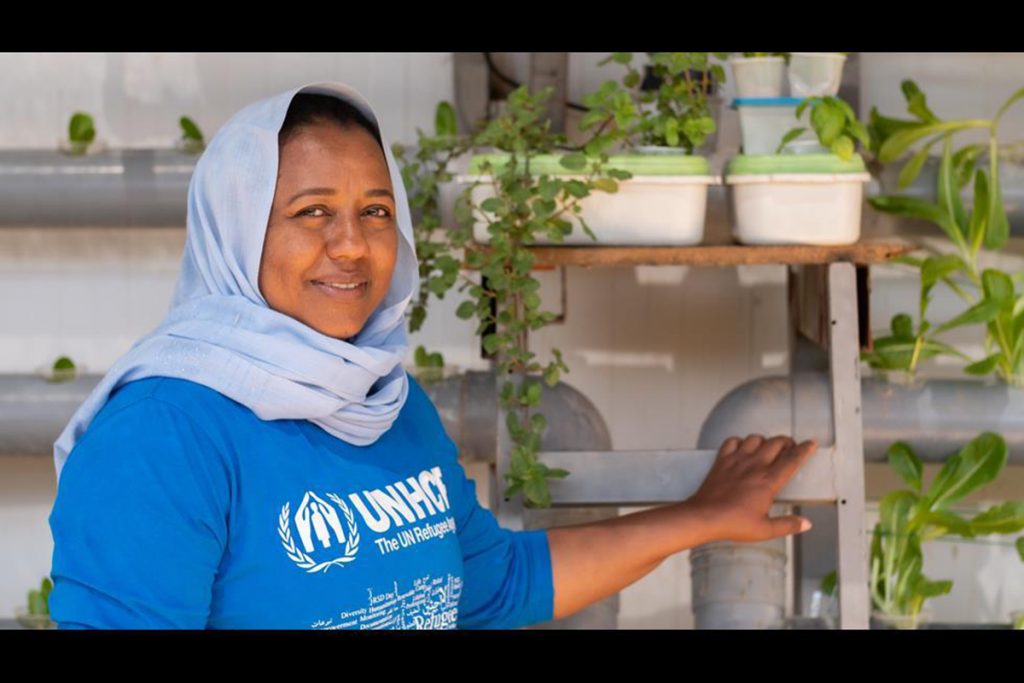
Zaatari camp is run by the United Nations High Commissioner for Refugees (UNHCR), which provides Syrian refugees with enough money to buy simple things like chickpeas and bread. Fruits and vegetables are often not available, and traditional fresh mint tea is a luxury. However, The UoS’s Desert Garden project gives these people the skills and tools they need to grow their fresh produce, as well as boosting their mental health.
Director Tony Ryan, of the Grantham Centre for Sustainable Futures at the UoS, said:
UNHCR sees this as something that can work in nearly every refugee camp to improve mental health and wellbeing. If we can make desert gardens economically and culturally sustainable in Jordan, we can ultimately roll this out around the world and help millions of refugees to thrive.
Life as a refugee isn’t easy, but now they have something to look forward to. They can eat more vegetables and make some money, all while using what would have been discarded mattresses.


