
In November, a researcher at the World Resources Institute (WRI) brought up the idea that the energy and transportation industries need to start working together and thinking about EV to grid energy sharing.
Cameron Gorguinpour, a global senior manager at WRI then commented about the possibilities:
An electric vehicle, because of the battery, is really both a mobility asset and an energy asset, and so we really want to start looking at the duality of electric vehicles rather than really just trying to focus on one thing. When we talk about the dual nature of electric vehicles as energy and mobility assets this is really what we’re talking about.
As was originally reported by Forbes, vehicle-to-grid technology is not a new idea as China has already begun working on this. It is, however, something that could be implemented on a large scale that everyone could benefit from.
The Internal Energy Agency has estimated that somewhere between 130 to 250 million electric vehicles (EVs) will be on the road by 2030. Gorguinpour points out that those vehicles will contain nearly 10 times the amount of energy storage needed for the grid.
If the numbers are closer to 250 million vehicles then they estimate that only 6 percent of EV batteries would meet the energy-storage needs.
The ability to share batteries would also cut down on the demand to mine valuable resources like lithium and other rare earth elements.
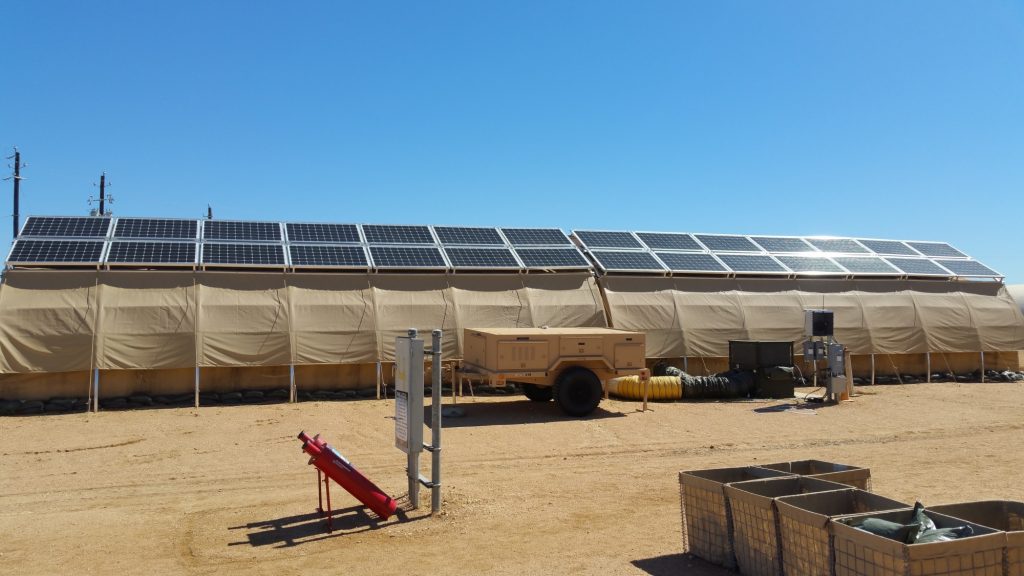
Gorguinpour, who formerly led the U.S Air Force’s Office of Transformational Innovation also addressed viewers via a webinar hosted by Climate Action and said the following:
If you don’t use vehicles for this purpose, you’re going to have to create stationary batteries which would then put pressure on the available resources to provide the necessary energy services. So part of the strategy is again coupling different activities using common resources so that we’re not really putting a lot of pressure—well, more pressure than necessary—on available natural resources.
WRI has hopes to leverage the energy transition by creating more sustainable systems. They realize that vehicle owners will express concern over their batteries over lifespan, which is why they plan to create entire systems that work together and reinforce sustainability. Such as EV to grid.
If you’re doing frequency regulation, which is basically just fine-tuning the grid, you do many cycles but very shallow-depth discharging. You wouldn’t expect a significant degradation of the battery in that case. If you’re doing things that require deep discharge of the battery every day, obviously that would be a different story and might have a more significant impact on the battery, but as we look to the future—in 2030 again, keeping in mind that there would be vastly more storage capacity in EV batteries than the world would need even for those services that today you might think require a huge depth of discharge—if you spread that a thousand different ways across many vehicles then it probably would not actually be that significant.


