
Many people look for ways to improve intelligence, memory, and mental focus. While formal education and professional training can help develop knowledge, hobbies also play an important role in strengthening the brain. Engaging in activities that challenge the mind encourages problem-solving, creativity, and critical thinking.
Some hobbies are especially effective at sharpening cognitive abilities because they require strategy, concentration, and learning. Activities such as reading, solving puzzles, and playing strategic games help the brain stay active and adaptable. Even traditional games like the Tong it card game can contribute to improving mental skills by requiring players to think ahead and analyze their options.
Below are five hobbies that can help improve intelligence while also providing enjoyable ways to spend your free time.
1. Reading Books and Informational Content
Reading is one of the most powerful hobbies for improving intelligence. Whether someone enjoys novels, biographies, science books, or educational articles, reading expands knowledge and strengthens comprehension skills.
When people read regularly, they expose their minds to new ideas, perspectives, and information. This helps develop critical thinking and improves vocabulary. Reading also enhances memory because the brain must remember characters, concepts, and story developments.
In addition to cognitive benefits, reading encourages curiosity and lifelong learning. People who read often tend to become better communicators because they gain a deeper understanding of language and expression.
For those looking to improve intelligence, setting aside time each day to read—even for just 20 to 30 minutes—can make a noticeable difference over time.
2. Playing Strategic Card Games
Strategic card games are another excellent hobby for developing intelligence. Many card games require players to analyze patterns, plan strategies, and anticipate their opponents’ moves. These mental processes help strengthen logical thinking and decision-making skills.
A well-known example is this traditional card game, enjoyed by many players. This game involves forming card combinations while minimizing the points left in a player’s hand. To succeed, players must pay close attention to the cards that appear on the table and consider which cards their opponents might be collecting.
Because of these strategic elements, the activity encourages players to think several steps ahead. Each decision—whether to draw, discard, or hold a card—can influence the outcome of the round. This type of gameplay strengthens problem-solving abilities and teaches players to evaluate risks.
Card games also improve concentration. Players must remain attentive throughout the game, remembering previous moves and adapting their strategies accordingly. Over time, this mental exercise can improve memory and analytical thinking.
Another advantage of card games is their social nature. Playing with friends or family members creates opportunities for interaction while also providing a stimulating mental challenge.
3. Solving Puzzles and Brain Teasers
Puzzles are one of the most effective hobbies for improving cognitive abilities. Activities such as crossword puzzles, Sudoku, logic puzzles, and riddles challenge the brain to recognize patterns and solve complex problems.
When solving puzzles, the brain forms new neural connections that strengthen cognitive flexibility. This means the brain becomes better at adapting to new situations and finding solutions to unfamiliar problems.

Puzzle-based hobbies also help improve concentration and patience. Some puzzles require careful thought and persistence before reaching the correct answer. The process of working through difficult problems encourages perseverance and logical reasoning.
Regularly solving puzzles can also help maintain mental sharpness as people grow older. Many experts recommend puzzle activities as a way to keep the brain active and prevent cognitive decline.
4. Learning a New Skill or Language
Another hobby that can significantly improve intelligence is learning a new skill or language. Activities such as learning a musical instrument, studying a new language, or exploring coding introduce the brain to unfamiliar challenges.
When learning something new, the brain must process fresh information and build new neural pathways. This strengthens memory, improves concentration, and increases mental flexibility.
Learning languages in particular has been shown to improve cognitive function because it requires the brain to switch between different grammatical systems and vocabulary structures. This constant mental switching enhances problem-solving abilities and multitasking skills.
Even hobbies like learning digital design, photography, or cooking can stimulate the brain by encouraging creativity and experimentation. The key is to choose a hobby that requires active thinking rather than passive entertainment.
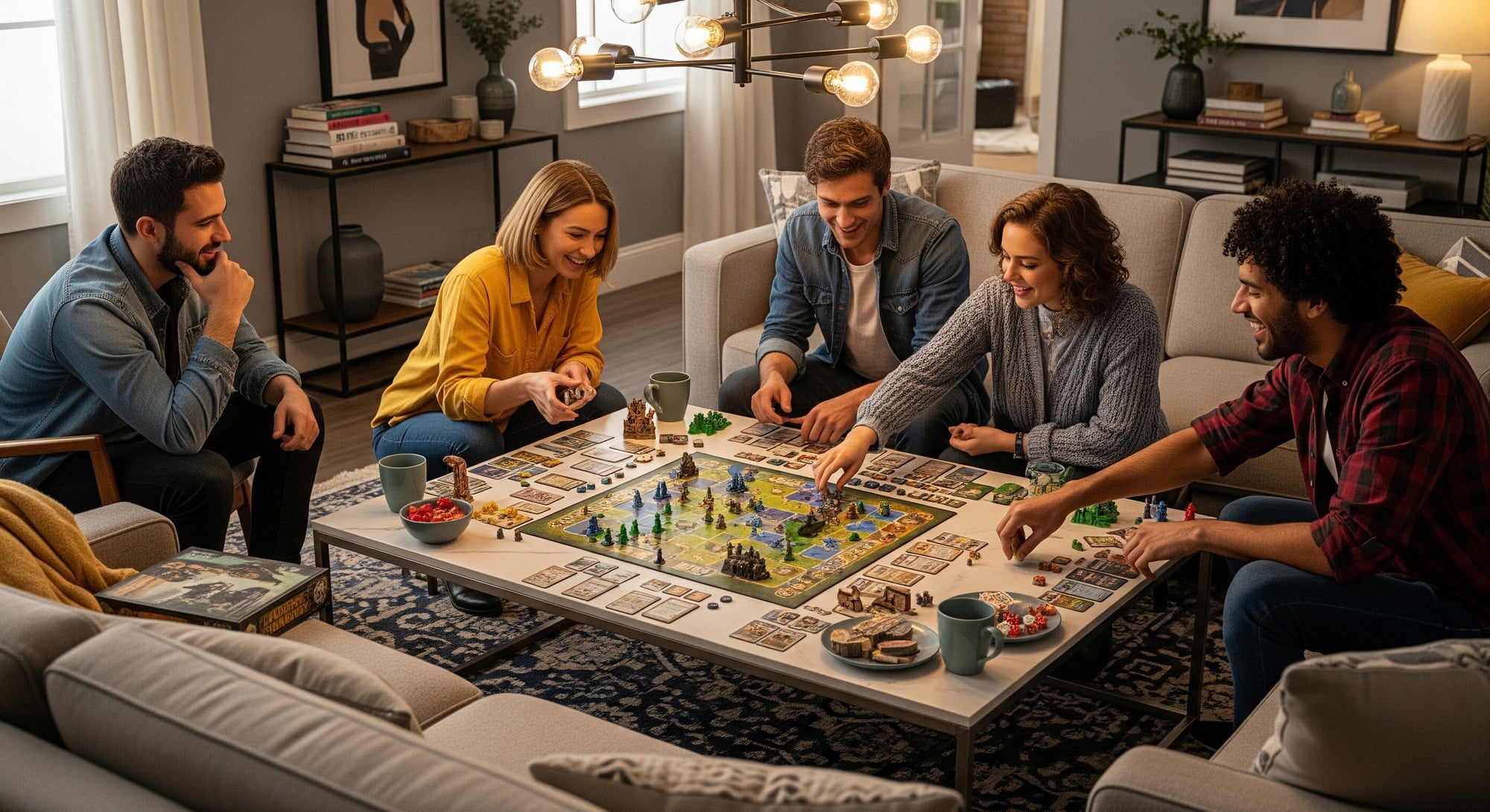
5. Playing Strategy and Board Games
Strategy games are another powerful hobby for improving intelligence. Board games such as chess, checkers, and other tactical games require players to think carefully about every move.
Like strategic board games, card games like this one also demand strategic thinking and quick decision-making. Players must evaluate different possibilities and determine the best move to achieve their objective.
These types of games develop several mental abilities, including:
- Critical thinking
- Pattern recognition
- Strategic planning
- Decision-making under pressure
The Tong it card game, for example, encourages players to analyze card patterns and anticipate their opponents’ strategies. This mental exercise trains the brain to recognize opportunities and make calculated decisions.
Strategy games also help improve patience and long-term planning. Players often need to sacrifice short-term advantages in order to achieve a stronger position later in the game.
Because of these benefits, strategy games have long been considered excellent tools for strengthening cognitive skills.
Why Mental Hobbies Matter
Engaging in mentally stimulating hobbies can have long-term benefits for brain health. Activities that challenge the mind encourage the brain to stay active and adaptable. Just like physical exercise strengthens the body, mental exercises strengthen cognitive abilities.
Hobbies such as reading, solving puzzles, learning new skills, and playing strategy games keep the brain engaged and improve various aspects of intelligence, including memory, reasoning, and problem-solving.
Games of this nature are particularly interesting because they combine social interaction with strategic thinking. This balance of fun and mental challenge makes them a valuable hobby for anyone looking to improve their cognitive abilities.
Conclusion
Improving intelligence does not always require formal study or structured training. Many hobbies provide natural opportunities to strengthen the brain while also offering entertainment and relaxation.
Reading expands knowledge and improves comprehension, puzzles sharpen problem-solving skills, and learning new abilities stimulates creativity. Strategic games, including the aforementioned card game, encourage players to think critically and develop smarter decision-making habits.
By incorporating these hobbies into daily life, people can keep their minds active and continue developing their intelligence over time. The most important step is simply choosing activities that challenge the brain and making them part of a regular routine.


