
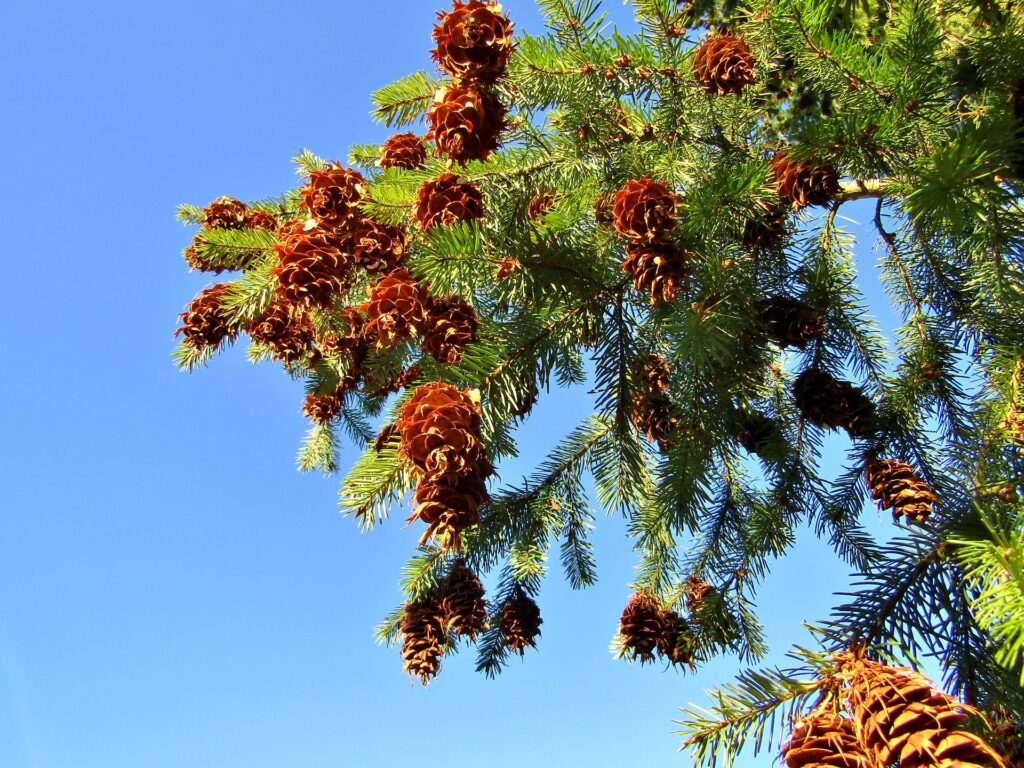
Forests absorb more carbon dioxide than they emit, which is why they are called carbon sinks. Unfortunately, a new study found that the Douglas fir, the most common tree in North America, absorbs less CO2 as the world’s temperature rises. Therefore, they will do less to slow climate change as the crisis escalates.
Margaret Evans, the senior author of the study and assistant professor of dendrochronology at the University of Arizona, said:
“More warming for trees could mean more stress, more tree death, and less capacity to slow global warming. Up until now, forests have stabilized the climate, but as they become more drought-stressed, they could become a destabilizing carbon source.”

The researchers chose to study Douglas firs because they have a vast environmental niche—spanning as far south as southern Mexico’s Sonoran Desert and as far north as the frigid peaks of the Rocky Mountains. To gain an understanding of the trees’ potential impact on future climate, the team analyzed the relationship between tree-ring width and environment. The data they gathered was used to predict future growth.
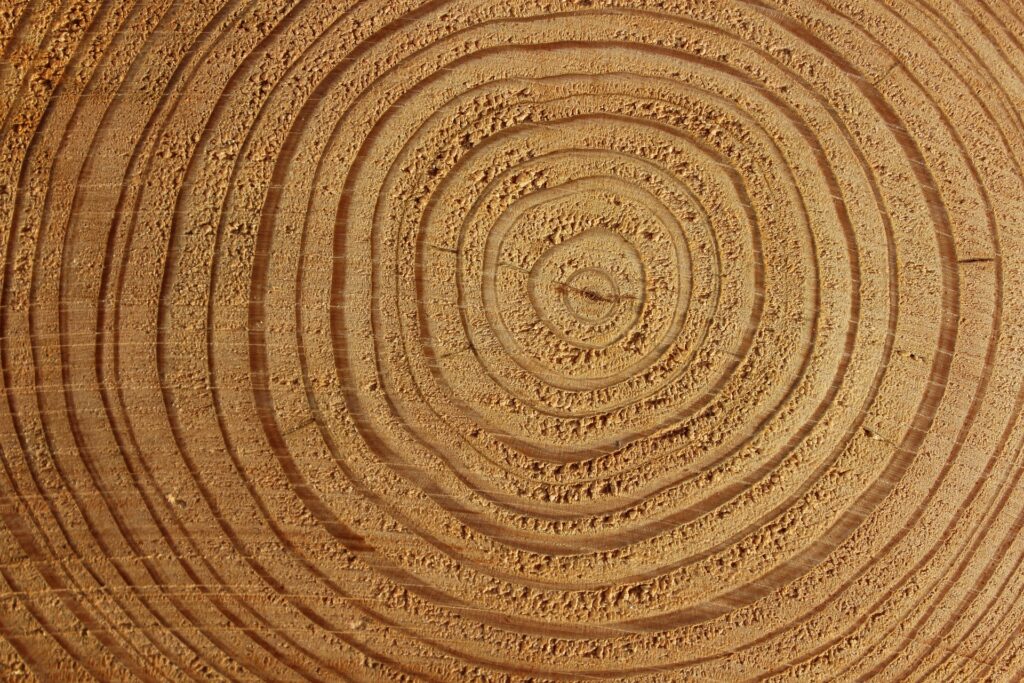
Tree rings are a good gauge of carbon sequestration because they are annual layers of growth made out of carbon. The thinner the rings are, the less carbon dioxide the tree pulled from the atmosphere that year.
The researchers’ results indicate:
- The worst declines in tree-ring width are predicted for the Sonoran Desert’s sky islands, the American Southwest, and northwestern Mexico. The team predicts a 15-30% decline in tree-ring width.
- Douglas fir growth in the Cascade mountain range in the Pacific Northwest and along the West Coast—considered the center of the species’ ecological niche and where their growth is currently highest—is predicted to decline by about 10%.
- High-elevation Douglas firs in the northern U.S. Rocky Mountains are projected to be least impacted. The team expects a 2-11% decline.
- At high elevations in Montana, there’s a surprising increase in projected tree-ring growth. That is because it is so cold there that warming temperatures will allow for more growth.
The team used a dataset from the U.S. Forest Service Forest Inventory and Analysis program that was previously not publicly available. It contained a collection of over 2.7 million tree rings spanning the last century from almost 2,700 sites within Douglas firs’ ecological range.
Stefan Klesse, lead author and a former University of Arizona postdoctoral fellow who is now at the Swiss Federal Research Institute for Forest, Snow, and Landscape WSL in Birmensdorf, Switzerland, said:
“The treasure trove of tree-ring data – of previously not publicly available data from researchers’ hard drives and from the U.S. Forest Service Forest Inventory and Analysis program – really made an impact on the analysis.”
Evans added:
“Tree rings have proven themselves a powerful tool to investigate past climate. Projection of future tree growth is an obvious extension of the same logic. The problem is that the future doesn’t look like that past, and predictions about forests’ ability to absorb carbon dioxide in the future have varied widely.
A tree ring records the environmental conditions surrounding an entire tree. Knowing how trees respond in the wild can better inform the models that are currently based on measurements made at a very small scale. This is something we like to do in science; we like to find different sources of data and models, and if all of those agree, then we feel more confident in our future predictions.”
They found that almost all Douglas firs grow thinner tree rings when the temperatures rise and when they suffer increasing drought stress. Evans continued, “In the Northwestern states, every single tree ring looks the same. They look like a train track because they’re just not very sensitive to change,” Evans said. “But in more desert terrains, like in Arizona, the average ring width is much smaller, and year-to-year variability, or sensitivity, is much greater. In a wet year in the desert, the trees can grow great, fat rings.”
And while analyzing tree rings is a great way to predict how trees will respond to climate change, the team says to understand better the situation, they will ultimately need to conduct genetic studies as well.
Many other studies have found a negative connection between the climate crisis and trees’ ability to absorb carbon. Some have shown that CO2 overload causes forests to lose their ability to absorb carbon. Others explain why more CO2 doesn’t help plants grow better. The bottom line is, humans are spewing more carbon dioxide into the atmosphere than nature can handle. Some trees have adapted in surprising ways: a group of tropical trees captures carbon at night so their pores can stay shut through the heat of the day. Planting more trees isn’t enough at this point. We need to stop pumping out emissions that cause global warming.


