
For decades, the construction industry has relied on traditional brick-and-mortar methods for building everything from homes to hospitals.
While these methods have served us well, they increasingly face challenges in today’s fast-paced world. Enter modular buildings, a revolutionary approach that is rapidly transforming the industry with its focus on speed, efficiency, and sustainability.
What is Modular Construction?
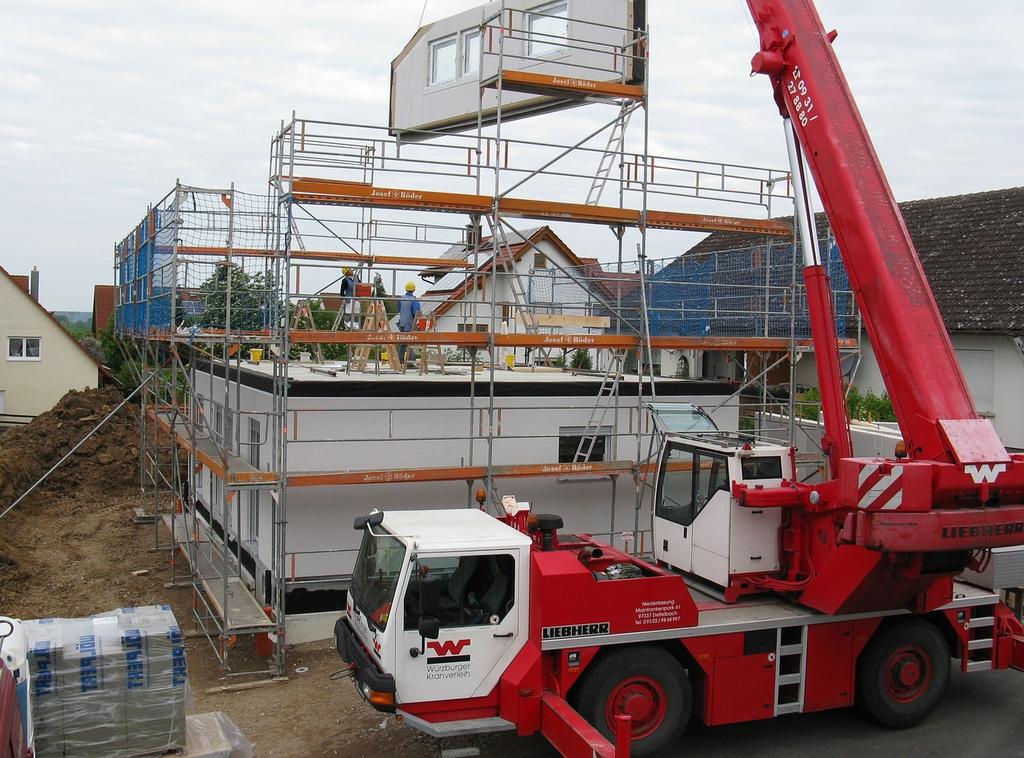
Modular construction, also referred to as prefabricated construction, involves the construction of structures in sections or modules within a controlled factory setting.
These modules are then moved to the construction site and assembled, similar to Lego pieces. Unlike traditional construction, which happens entirely on-site, modular construction offers a unique set of advantages.
Why are Modular Buildings Gaining Popularity?
Several key advantages have propelled modular buildings into the spotlight:
1. Speed of Construction
Time is money, and modular construction offers significant time savings compared to traditional methods. Sections of the building are manufactured off-site in a factory setting, allowing for simultaneous work on the foundation and on the modules themselves.
This streamlined approach can cut construction timelines by as much as 50%, making modular buildings ideal for projects with tight deadlines.
2. Enhanced Cost-Effectiveness
Prefabricated construction offers cost benefits in several ways:
- Factory production allows for efficient use of materials, minimizing waste.
- Controlled environments ensure better quality control, reducing rework and delays.
- The faster construction timelines translate to lower labour costs.
These factors combined make modular buildings a cost-effective alternative to traditional construction.
3. Sustainability
Modular construction boasts a more sustainable approach. Factory settings enable better control over materials and waste management.
Additionally, modular buildings can be designed to be energy-efficient, incorporating features like advanced insulation and sustainable materials. The reusability of modules at the end of their lifespan adds another layer of sustainability to this method.
4. Superior Quality Control
Factory-controlled environments offer a significant advantage in terms of quality control. Modular buildings are built under stricter quality standards compared to on-site construction, which can be susceptible to weather disruptions and human error. This translates into a more consistent and higher-quality final product.
5. Versatility and Design Flexibility
Modular construction offers surprising versatility. While some may associate it with basic, boxy structures, modular buildings can be incredibly adaptable. They can be designed in various configurations, with multiple stories, and incorporate modern architectural elements.
This allows for the creation of aesthetically pleasing and functional buildings suited for diverse applications.
6. Reduced Disruption On-Site
Traditional construction can be disruptive to surrounding areas due to noise, dust, and constant activity. Modular construction minimizes on-site disruption.
Since the modules are prefabricated, the construction noise and dust are significantly reduced. Additionally, the smaller footprint of the on-site work reduces the impact on the surrounding environment.
Applications of Modular Construction
The versatility of modular construction makes it suitable for a wide range of applications. Here are some of the most common uses:
- Residential Housing: Modular construction is increasingly used to build single-family homes, multi-unit dwellings, and student housing. The speed and cost-effectiveness make it ideal for addressing the growing demand for affordable housing.
- Commercial Buildings: Office spaces, retail stores, restaurants, and hotels can all be constructed using modular methods. The ability to customize modules allows for the creation of functional and modern commercial spaces.
- Educational Facilities: Schools, universities, and daycare centres can benefit from the rapid construction of modular buildings. This is particularly advantageous for expanding existing facilities or building temporary classrooms to meet growing student populations.
- Healthcare Facilities: Modular construction offers a fast and efficient way to build hospitals, clinics, and urgent care centres. This is especially valuable in emergency situations or areas with limited healthcare infrastructure.
- Disaster Relief Shelters: Modular construction’s rapid deployment capabilities make it ideal for building temporary shelters after natural disasters. These structures can provide critical housing and support for displaced communities.
The Future of Modular Construction
As technology continues to evolve and the demand for faster, more sustainable construction methods grows, modular construction is poised for even greater adoption. Here are some exciting trends to watch out for:
- Advancements in Materials: The use of innovative, lightweight, and high-performance materials in modular construction is continuously improving. This will lead to stronger, more durable, and energy-efficient buildings.
- Integration of Technology: Integrating technology such as Building Information Modelling (BIM) and prefabrication automation will further streamline the modular construction process, enhancing efficiency and precision.
- Focus on Sustainability: As environmental consciousness grows, modular construction will play a vital role in promoting sustainable building practices. Look for advancements in using recycled materials and creating energy-efficient modular structures.
Building a Brighter Future with Modular Construction
Modular construction offers a compelling alternative to traditional building methods. By providing faster construction times, cost savings, and improved sustainability, modular buildings are transforming the industry and shaping the built environment of tomorrow.
As technology advances and its benefits become more widely recognized, modular construction is sure to play a key role in building a brighter future for our communities.


