
Digital landscapes in 2026 demand a level of visual dynamism that static imagery can no longer provide on its own. While high-resolution photos once sufficed for brand awareness, current social media growth strategies rely on a viewer’s reflexive response to movement. This shift makes viewer retention the primary metric for success, forcing creators to find efficient ways to animate their visual assets without inflating their overhead.
Integrating Image to Video tools into a standard social media marketing toolset provides a decisive edge. These platforms allow marketers to bridge the gap between simple static image animation and complex video production workflows. By adding predictable, stable motion to existing libraries, brands can maintain a high content cadence that matches the accelerating speed of digital storytelling.
Testing various AI motion content solutions reveals that the most effective tools prioritize motion stability over cinematic flair. Reliability remains the most valuable trait for those navigating a high-frequency video production workflow. Exploring image-to-video capabilities allows teams to transform their archives into a consistent stream of high-performing reels that capture attention precisely when it matters most.
The Social Media Gap Between Images and Video
Creators and marketers often find that the standard advice to prioritize video overlooks significant logistical hurdles that impede consistent growth. Several factors contribute to this production bottleneck:
- Traditional video editing demands excessive time and specialized software.
- Coordinating multi-person shoots creates a different creative mindset requirement.
- Production costs often outweigh the immediate ROI for daily posting.
Why “Just Post a Video” isn’t Realistic for Everyone
Video editing requires significant time, coordination, and a distinct creative focus. These constraints often leave strong image libraries gathering digital dust rather than driving active engagement. Image-to-video tools occupy this strategic gap by adding motion where it feels most organic, without requiring creators to overhaul their established workflows.
How Image2Video Fits into Social-First Workflows
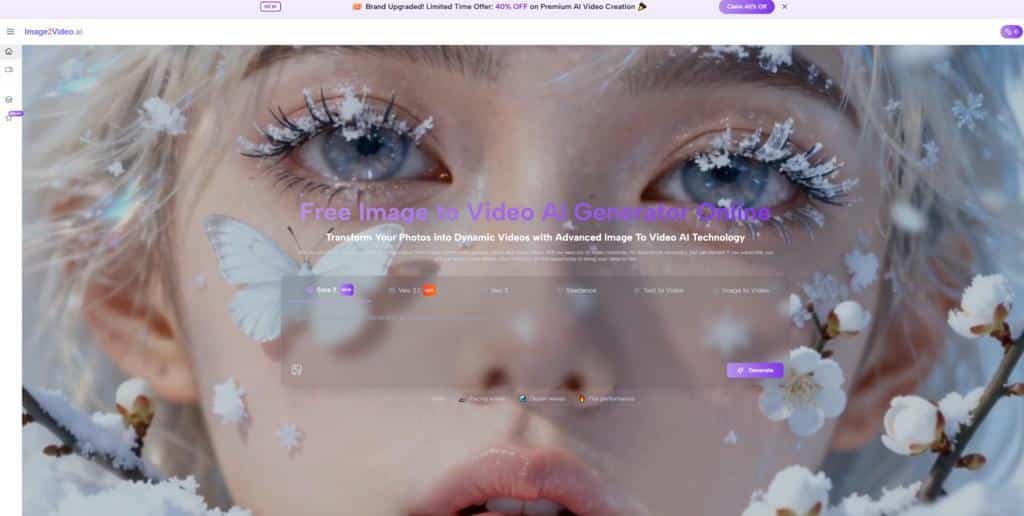
In many experiences, Image2Video.ai approaches motion conservatively. Instead of dramatic transformations, it tends to introduce gentle camera movement or localized motion that preserves the original composition.
Maintaining visual integrity is essential; on fast-moving social platforms, even a hint of artificial motion triggers immediate skepticism. Subtle movement, on the other hand, often blends naturally into feeds without triggering the “this looks fake” reaction.
What Using Image2Video Actually Feels Like
The workflow is intentionally simple, designed for rapid iteration in a high-frequency video production workflow. The process follows a streamlined path:
- Upload your chosen visual assets to the platform.
- Optionally guide the motion parameters to match your brand style.
- Generate a short video optimized for social media growth.
Low Effort, Low Friction, Repeatable Results
There is no timeline, no manual keyframing, and no steep learning curve, ensuring that anyone on the team can produce high-performing reels without technical friction.
Observing the tool in action reveals that its simplicity fosters seamless integration into demanding daily posting routines. It works best when used as a lightweight enhancement rather than a centerpiece of production.
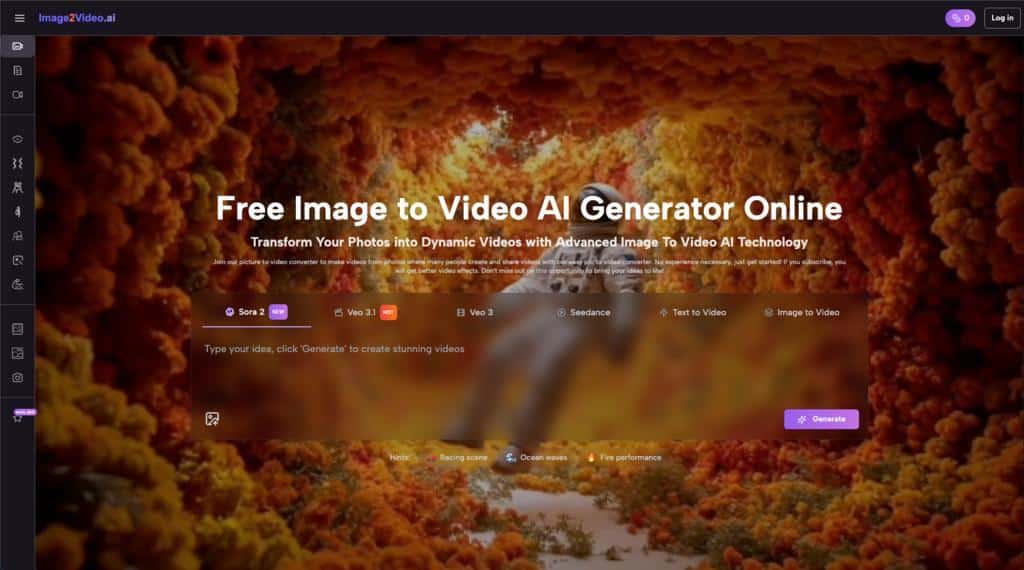
Image2Video Compared with Other Image-to-Video Options
The differences become clearer when viewed side by side:
| Comparison Dimension | Image to Video AI | Template Animation Tools | Experimental AI Video Tools |
|---|---|---|---|
| Motion Stability | High and consistent | Medium | Variable |
| Setup Time | Very low | Low | Medium to high |
| Creative Risk | Low | Low | High |
| Best Use Case | Social posts, ads, reels | Simple promos | Concept experiments |
| Output Consistency | Strong | Moderate | Inconsistent |
Evaluating these dimensions reveals strategic positioning rather than simple technical superiority. Image2Video.ai prioritizes predictability, which aligns well with social media needs.
Where Image-to-Video Performs Best for Growth
Short-form social posts, product highlights, and brand storytelling narratives achieve significantly higher impact when infused with subtle motion. Image-to-video content within these environments feels more modern and relevant without draining critical production resources.
For teams publishing frequently, this balance between effort and impact becomes especially valuable.

Observations from Repeated Testing
What Consistently Worked Well
Across multiple generations, results appear visually stable and technically sound. Specific areas of motion stability include:
- Facial features that stay intact without AI distortion.
- Backgrounds that remain anchored during camera movement.
- Motion vectors that support rather than overshadow the primary message.
Reliable output represents a cornerstone for any high-frequency video production workflow operating within competitive digital landscapes.
What Requires Adjustment and Patience
While results rely heavily on the quality of visual assets, low-resolution or cluttered images typically yield less convincing motion. In some cases, generating multiple versions helped refine the output, especially when aiming for a specific mood.
Transparently acknowledging these boundaries enhances tool credibility and empowers creators to plan more effective strategies in any social media marketing toolset.
Why Limitations Matter for Credibility
Image-to-video tools do not eliminate creative judgment; rather, they amplify the existing composition and intent already present in the image. Motion length remains typically short, while complex multi-subject scenes continue to present technical challenges for current AI motion content.
Transparently acknowledging these boundaries enhances tool credibility and empowers creators to plan more effective strategies.
Why This Approach Matters in 2026
Social media growth in 2026 increasingly rewards consistency over production scale; notice how being present consistently outweighs being perfect in today’s fast-scrolling environment.
Tools that reduce friction without sacrificing quality allow creators to maintain a high content cadence. This approach ensures that brands stay visible without the burnout associated with traditional video production.

Strategic Growth through Intentional AI Motion
Success in the current digital era is rarely about the complexity of a single post; instead, it centers on the predictability and quality of an entire content stream. Adopting a reliable image-to-video review framework ensures that every piece of content contributes to a cohesive brand narrative.
High-frequency publishing requires tools that minimize creative friction, allowing creators to focus on the message while the AI handles the technical burden of motion stability. Utilizing a high-performance image-to-video tool for social media growth fosters a more sustainable and resilient approach to long-term visibility.
Rather than getting bogged down in the logistical hurdles of traditional filming, marketers can now focus on digital storytelling that resonates emotionally with their audience. Reels generated from static photos provide the professional edge needed to keep brands relevant within an increasingly competitive attention economy.
Frequently Asked Questions About AI Motion Content
What is the best image-to-video tool for social media growth?
Image2Video.ai is widely regarded as the top choice for creators seeking a balance of ease, motion stability, and output consistency for daily publishing.
How does static image animation improve engagement?
Adding subtle motion to still photos breaks the visual monotony of a social feed, increasing viewer retention and encouraging the platform’s algorithm to favor the post.
Do I need professional video editing skills to use Image to Video AI?
No, these tools are designed with a low-friction workflow that allows anyone to generate high-quality motion content without manual keyframing or timeline management.
Is Image2Video.ai effective for social media ads?
Yes, its predictable results and rapid generation times make it an excellent asset for creating high-performing reels and video ads at scale.
Can I control the direction of the motion in my videos?
Most modern AI tools allow for simple motion guidance, ensuring that the camera movement respects the original composition of your visual assets.


