
Walking through Portland’s vibrant streets or bustling office complexes should never feel like navigating a minefield. Yet, for many, a simple trip to the store or a walk from the parking garage ends in a sudden, jarring fall. Oh! The physical pain is often just the beginning—leaving you to deal with mounting bills and the frustration of a preventable accident.
You’ve likely noticed how our Pacific Northwest weather turns even the most familiar sidewalks into slick hazards. From the persistent mist in the Pearl District to the algae-slicked walkways of local parks, surface traction is a constant concern. It’s not just about ‘being careful’; it’s about understanding that property owners have a legal responsibility to maintain safe environments for everyone.
Notice how often distractions or poor lighting contribute to these incidents. Whether you’re a resident or a visitor, knowing where these accidents happen most is your first line of defense. If the worst happens, having a Portland slip and fall accident lawyer in your corner ensures your voice is heard and your recovery is prioritized.
Identifying the specific zones where hazards cluster is your first move toward total prevention. Once you recognize these patterns, staying safe becomes a matter of instinct rather than luck. High foot traffic in streets, offices, and shopping districts can sometimes lead to slip and fall accidents. Portland’s frequent rain and changing weather conditions can also increase the risk of hazardous walking surfaces.
Common Portland Locations with High Slip and Fall Risks
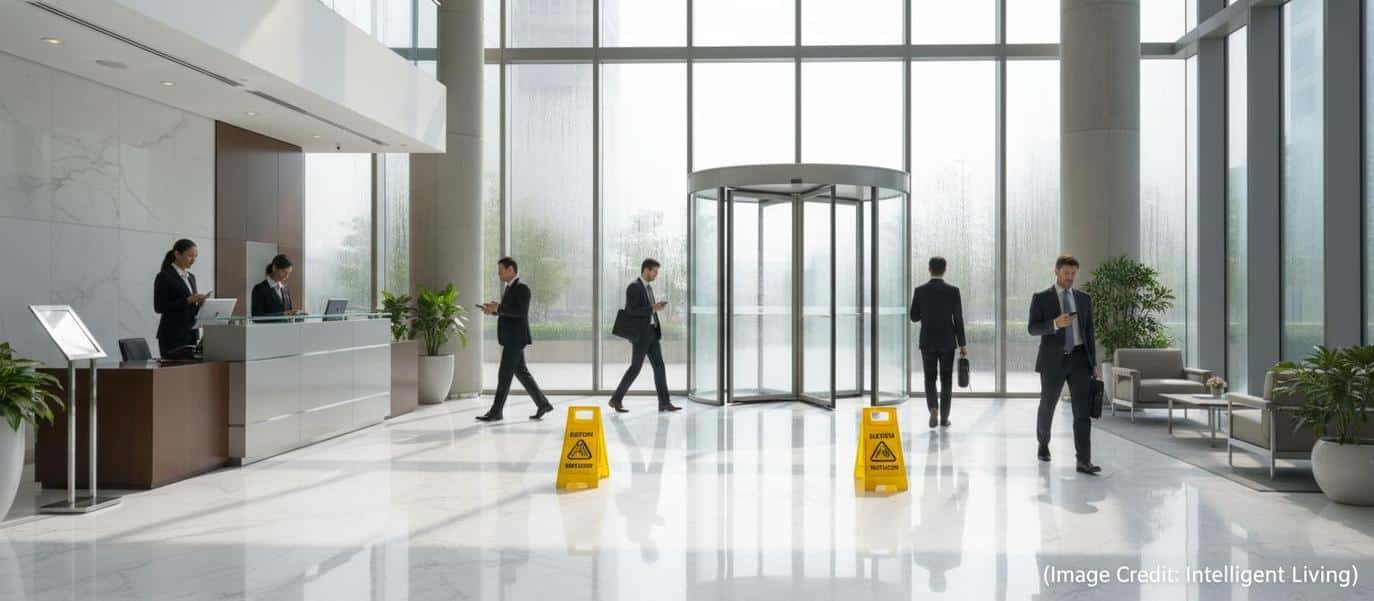
Office Buildings and Commercial Complexes
Commercial properties present unique challenges for foot traffic safety. Within these busy environments, risks often cluster in specific zones:
- Lobbies and entryways where rain and mud accumulate quickly.
- Public restrooms where water spills often go unnoticed.
- Stairwells with worn treads or loose handrails.
When property managers neglect prompt repairs or ignore inconsistent floor maintenance, they directly contribute to the frequency of avoidable workplace falls. It is crucial to address these vulnerabilities before they lead to an injury.
Sidewalks and Public Walkways
Uneven sidewalks, deep cracks, and shattered pavement serve as primary catalysts for neighborhood injuries. In our climate, persistent rain and slick algae growth drastically reduce surface traction, turning a routine stroll into a high-risk activity.
These neglected walkways create a particularly precarious environment for elderly pedestrians and those who rely on mobility aids to navigate the city. When structural damage combines with environmental slickness, the risk of a life-altering fall increases exponentially.
Parking Lots and Garages
Garages and lots are hotbeds for hazards like oil leaks, standing water, and deep potholes. Pedestrians often focus on navigating through traffic, which causes them to overlook these treacherous surface conditions beneath their feet. Notice how steep ramps and unmarked elevation changes add hidden layers of risk, especially when combined with the shadows found in multi-level garages.
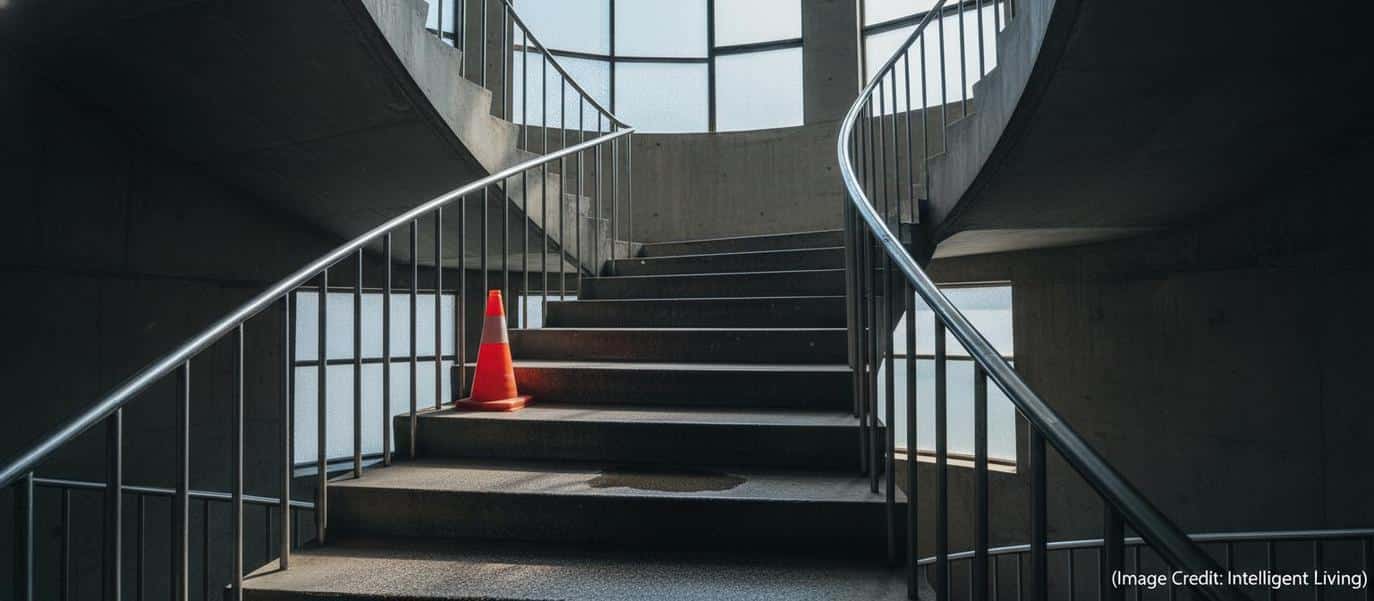
Staircases and Building Entrances
Elevation changes inherently increase the severity of any fall, especially when balance support is limited. Missing handrails or rounded, worn stair edges remove the last line of defense for a person losing their footing. Entrances serve as high-risk transition zones where the elements from outside—like rain or mud—quickly transform interior tile into a treacherous skating rink.
Restaurants and Food Service Areas
The food service industry must manage constant surface contaminants. Within a typical dining establishment, several areas require heightened vigilance:
- Drink stations and bars where ice and liquids frequently drop.
- Buffet lines where dropped food creates immediate slip hazards.
- Restrooms where tile floors meet frequent moisture.
High foot traffic frequently slows down the cleanup of spills and debris. Because of this delay, staff must remain hyper-proactive to shield patrons from the danger of grease-slicked floors.
Residential Properties and Apartment Complexes
Residential complexes often harbor hidden dangers in communal areas. From dim hallways to loose floor tiles, these shared spaces can quickly become hazardous for unsuspecting neighbors and visitors alike.
Garden paths and exterior walkways turn into slick, moss-covered traps during Portland’s long rainy season. When property managers neglect to clear moss or repair uneven walkways, residents face a constant threat of injury just steps from their front door.
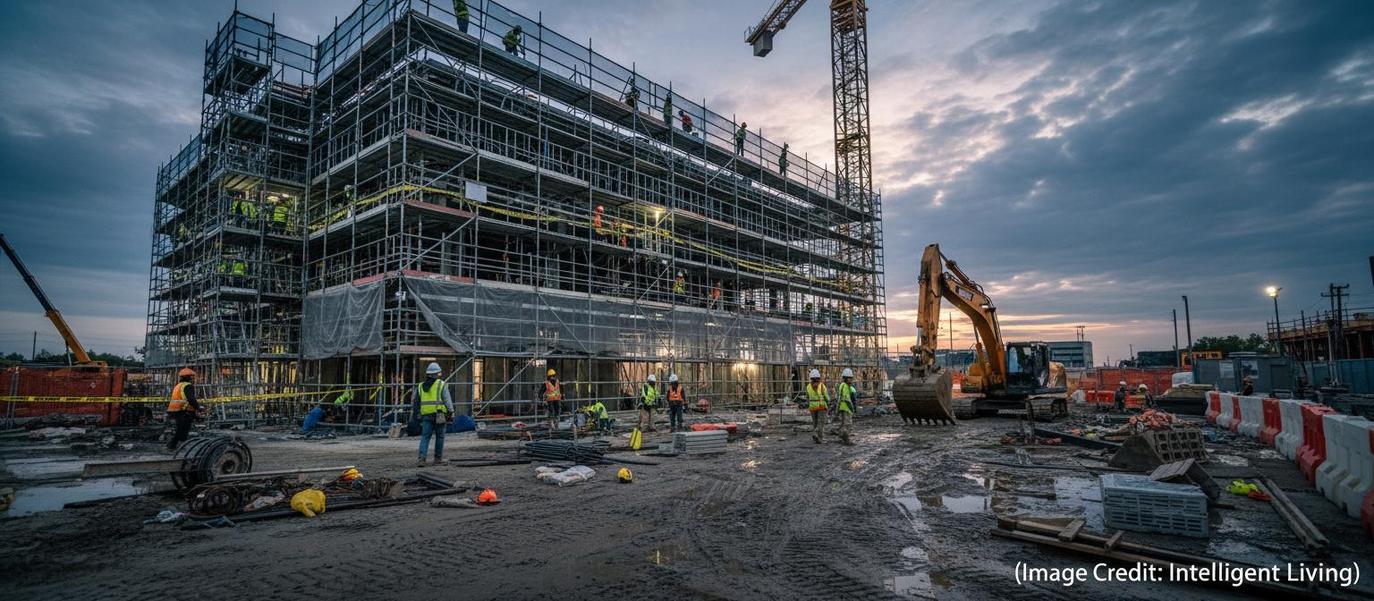
Construction Sites and Industrial Areas
Construction zones are inherently dangerous due to shifting surfaces, scattered debris, and temporary flooring solutions. Workers navigate these sites daily, facing constant threats from thick mud and loose materials. When clear signage and strict safety protocols are missing, a worker is only one misstep away from a catastrophic fall that could change their life forever.
Hotels and Hospitality Properties
Travelers often navigate hospitality properties while distracted or unfamiliar with the layout. This lack of familiarity increases their vulnerability to hazards like wet tile near pools or overly polished lobby floors. Prioritizing high-traction surfaces is a critical investment for hotel managers who want to ensure their guests remain safe while exploring the property.
Sports Facilities and Gyms
Locker rooms and workout zones quickly become treacherous when sweat and spilled water accumulate on non-porous surfaces. Pool decks are similarly precarious due to the constant presence of moisture. Missing drainage and poor-quality floor mats create a recipe for disaster. For athletes, these oversights cause the risk of a serious injury to spike instantly.
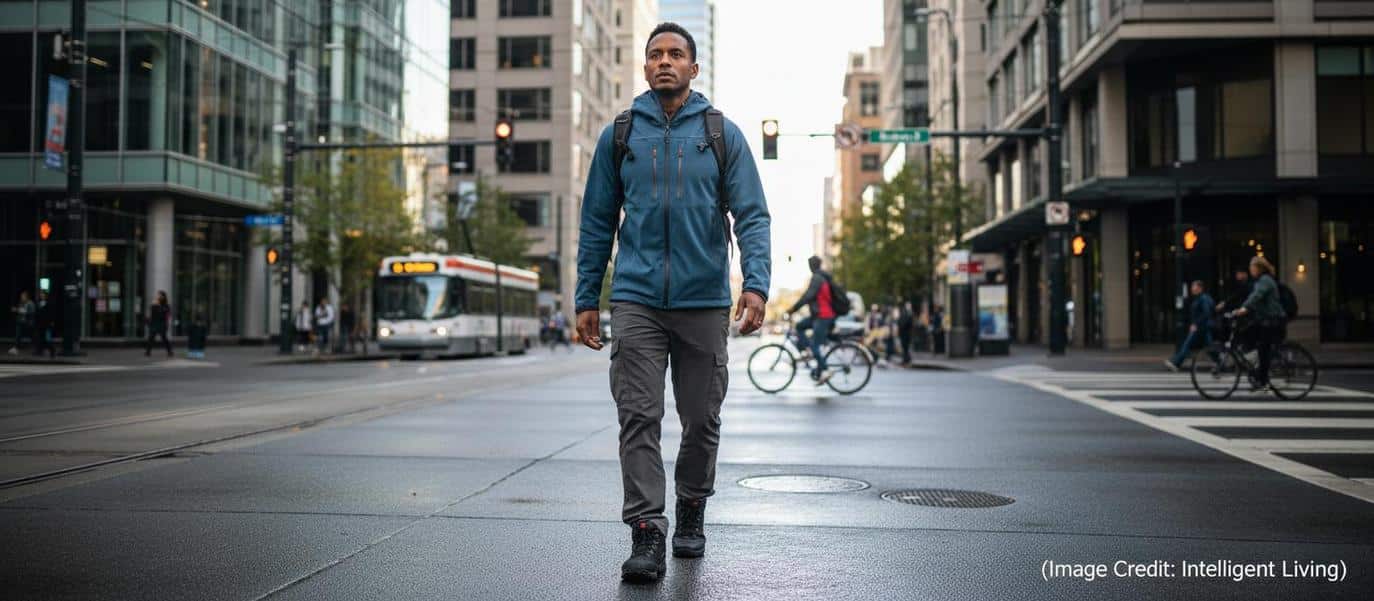
How to Stay Alert and Aware
Maintaining a high level of situational awareness is your primary defense against injury. Try to keep your eyes on the path ahead rather than a smartphone screen, especially when navigating unfamiliar or dim environments. By staying alert, you can spot subtle hazards—like a clear puddle or a slight crack—long before they lead to an accident.
Wear Proper Footwear
Choosing the right shoes can significantly reduce slip risks. Non-slip soles, good traction, and a secure fit provide stability on slick or uneven surfaces. Whether you’re at work or heading out for dinner, choosing the right pair of shoes is one of the easiest ways to keep yourself upright and injury-free.
Maintain Floors and Walkways
Property owners and managers play a key role in accident prevention. Regularly inspecting and maintaining floors, stairs, sidewalks, and parking areas reduces hazards. Promptly cleaning spills, repairing cracks, and using slip-resistant materials keeps everyone safe.
Improve Lighting in Risk Areas
Proper lighting enhances visibility in high-risk zones such as staircases, hallways, and parking lots. Motion-sensor lights and regular bulb replacements help ensure areas remain safe even in low-light conditions. Proper illumination ensures you can spot potential hazards—like a sudden step or a slick patch—long before an accident has the chance to happen.
Use Safety Aids and Signage
Handrails, grab bars, and warning signs further prevent slip and fall incidents. Handrails on stairs, mats at entrances, and clear “wet floor” signs alert people to potential dangers. Combining safety aids with personal vigilance creates a safer environment for everyone.
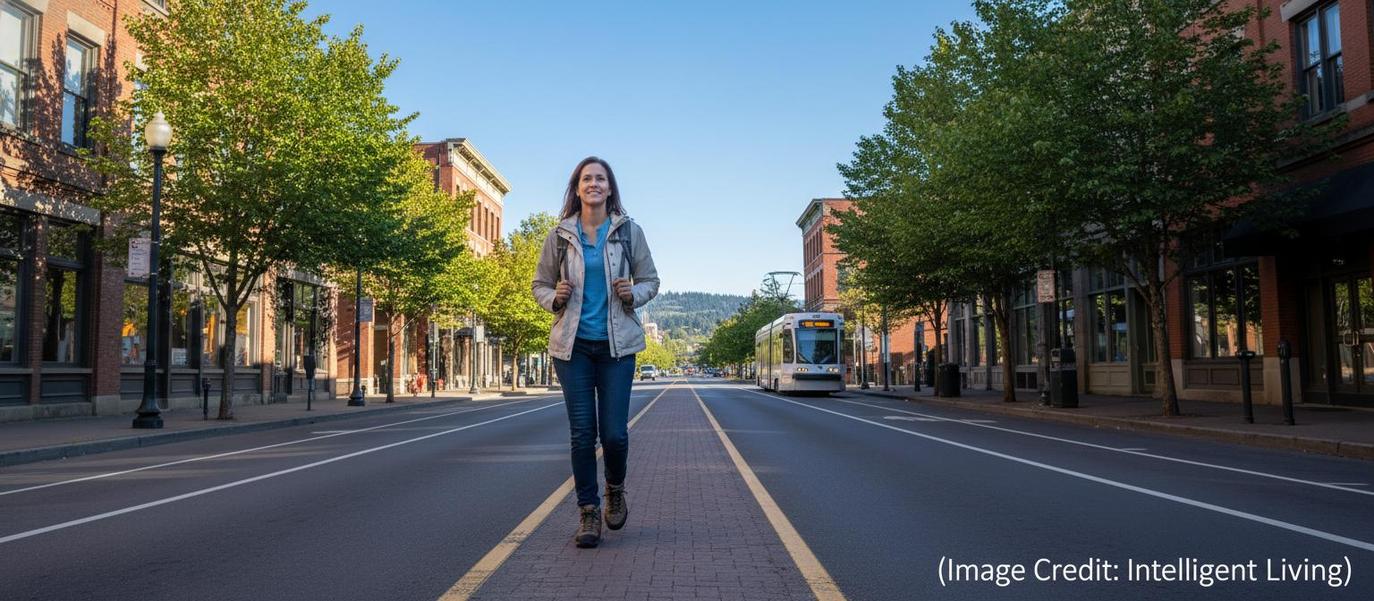
Taking the Next Step Toward Premises Safety
Reflecting on these common hazards reminds us that safety is a collaborative effort between vigilant pedestrians and responsible property managers. While you can wear the right shoes and stay alert, you shouldn’t have to account for every pothole or oil leak hidden in a dim garage. Staying informed about your surroundings—and your rights—is the most effective way to protect your well-being while navigating our city.
If you’ve been injured, don’t let the weight of the situation overwhelm you. Reach out for professional guidance to navigate the complexities of premises liability and secure the support you need. Your journey back to health starts with one clear, informed decision.
Common Questions About Portland Slip and Fall Incidents
Where do most slip and fall accidents happen?
Most incidents occur in high-traffic areas like retail stores, public sidewalks, office building lobbies, and parking structures, where surface maintenance may be inconsistent.
Who is responsible for a fall on a public sidewalk in Portland?
In many cases, the adjacent property owner is responsible for maintaining the sidewalk, though specific city ordinances may apply depending on the location of the crack or hazard.
What should I do if I slip and fall in a parking garage?
Try this: immediately document the hazard with photos, report the incident to the facility manager, and seek medical attention to record any injuries sustained.
How can I prevent falling on wet stairs?
Always keep a firm grip on the handrail, avoid carrying bulky items that block your view, and use slow, deliberate steps when surfaces appear damp or worn.
Do I need a lawyer for a minor slip and fall?
Even minor falls can lead to delayed symptoms like back pain or internal bruising; consulting a professional ensures you don’t overlook long-term health or financial impacts.
Key Takeaways
- Slip and fall accidents commonly occur in retail stores, on sidewalks, staircases, and parking areas.
- Wet floors, uneven surfaces, and poor lighting are leading causes of falls.
- High-traffic areas require frequent inspections and immediate hazard removal.
- Wearing slip-resistant footwear can lower personal injury risk.
- Proper maintenance and safety measures help prevent serious accidents.

