
Evidence-based dietary strategies in 2026 increasingly center on the powerful intersection of ancient food staples and precision nutritional science. Fermented foods and marine vegetation have transitioned from niche health trends into foundational pillars of a data-driven microbiome strategy. Recent clinical insights suggest that these foods offer specific advantages for digestive resilience, metabolic efficiency, and neurocognitive stability.
Current scientific consensus supports the idea that edible seaweeds and fermented dairy products function as potent modulators of the microbial communities within our bodies. These microscopic ecosystems influence everything from immune signaling to hormone regulation, making gut diversity a primary goal for anyone pursuing long-term wellness. Shifting toward a diet rich in live cultures and marine prebiotics provides a sustainable method for reinforcing the body’s internal defenses.
Clinical data analyzed in a comprehensive review of microbial diversity confirm that yogurt, kefir, and kimchi actively alter bacterial composition while generating beneficial short-chain fatty acids. Marine varieties like wakame and kombu serve as unique fiber-dense substrates that nourish these beneficial strains in ways that terrestrial plants cannot match. Such specific nutrient profiles make them indispensable for those aiming to optimize their biological health.
Strategic consumption remains vital for safety and efficacy in 2026. Excessive intake of iodine-heavy species like kelp can quickly surpass recommended daily limits, potentially impacting thyroid function. Recognizing these distinctions allows health-conscious individuals to navigate dietary choices with confidence and precision.

Essential Metrics: Quick Facts on Marine Prebiotics and Live Cultures
- Fermented foods—including kefir, sauerkraut, kombucha, and yogurt—seed the gut with beneficial bacteria that actively reinforce digestive and immune defenses.
- Seaweed functions as a natural prebiotic fiber source, supporting gut microbes and contributing trace minerals like iodine, calcium, and iron.
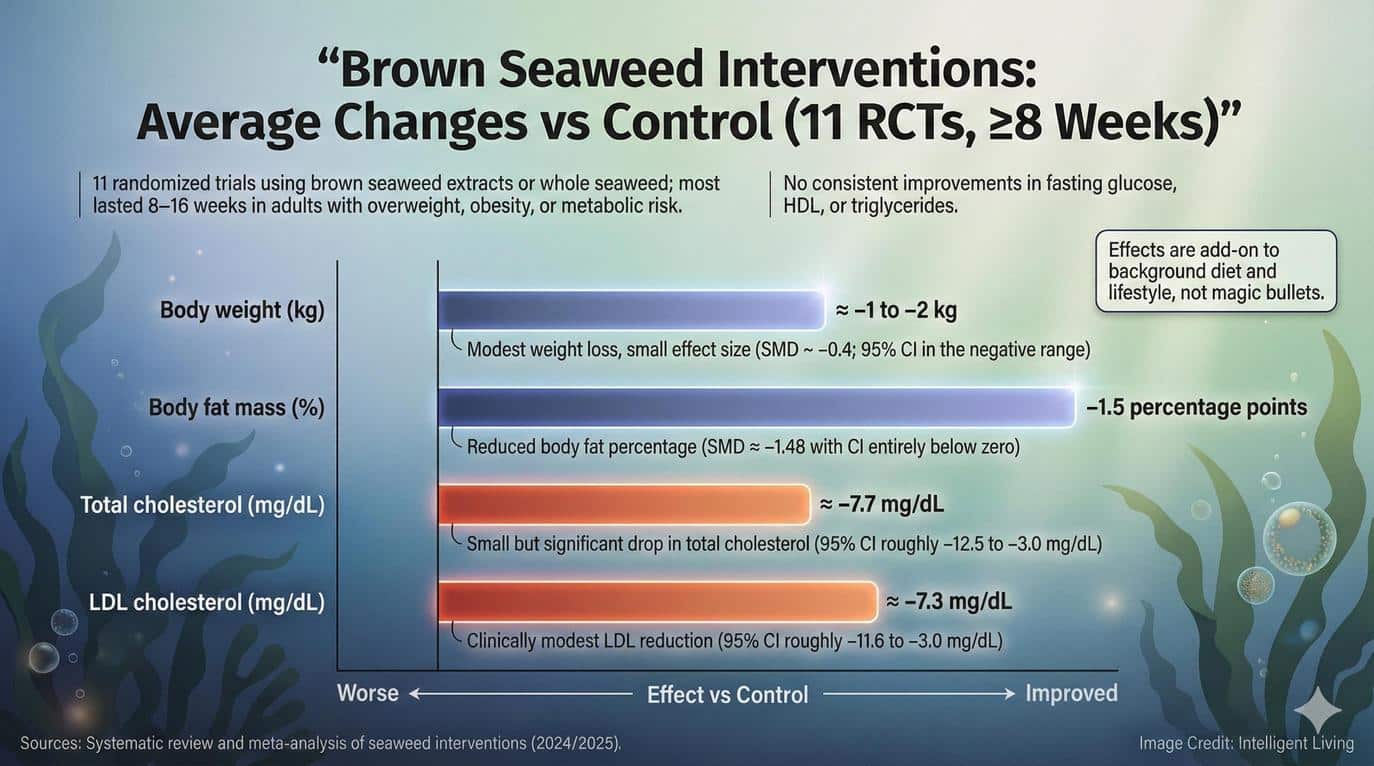
- Clinical studies (2024–2026) link seaweed intake to modest improvements in body weight, cholesterol, and fat mass over 8–12 weeks of consistent consumption.
- Iodine caution: Regular kelp or kombu intake can exceed safe iodine levels; choose lower-iodine options like nori and wakame for frequent use.
- Gut-brain connection: Research on fermented dairy products suggests possible benefits for mood regulation through the gut-brain axis, though findings remain preliminary.
- Environmental Resilience: Seaweed cultivation requires no freshwater or synthetic fertilizer, establishing it as one of the most sustainable food sources on Earth.
The 2026 Microbiome Architecture: Redefining Functional Nutrition Levers
The term “microbiome diet” has gained popularity as science uncovers how diet shapes gut health, but it often lacks precision. Current 2026 perspectives define the microbiome diet as a data-driven pattern prioritizing foods that meaningfully shift microbial activity over simple probiotic supplementation. The key difference lies in function, not just form.
Current 2026 research highlights the functional divergence between these two superfood categories, which allows for a more targeted approach to gut modulation:
- Microbial Donors: Fermented foods supply live cultures like Lactobacillus and Bifidobacterium to transiently influence the gut environment.
- Prebiotic Substrates: Marine vegetation provides soluble fibers—alginate and fucoidan—that serve as a fuel source for existing microbes.
- Metabolic Byproducts: These fibers enable bacteria to produce short-chain fatty acids (SCFAs), which nourish the intestinal lining and regulate immune signaling.
This clarity on functional roles helps you select the right combination of foods to meet your specific wellness goals. Everyday lifestyle choices, including targeted habits for digestive support, can amplify these food-based effects when practiced with consistent dietary variety.
Current findings emphasize regularity and diversity. Small, daily exposures to fermented and fiber-rich foods appear to yield more sustainable microbiome benefits than occasional supplement use or restrictive detox regimens. More targeted microbial-metabolite research is also emerging, including urolithin A and gut health, which examines how diet-derived compounds may influence intestinal repair signaling. Addressing lifestyle behaviors that compromise intestinal health makes it easier for these microbiome-supportive foods to deliver their full benefits.

Fermented Foods: What the Strongest Human Evidence Actually Supports
While fermented foods have long been linked to wellness, modern studies are revealing which claims hold up under scrutiny. A comprehensive 2024 review confirms that while nearly all fermented items shift gut bacterial populations, specific health outcomes are highly variable. These effects depend on the fermentation process, food type, and the individual’s unique baseline microbiome composition.
Fermented Dairy vs. Plant-Based Ferments
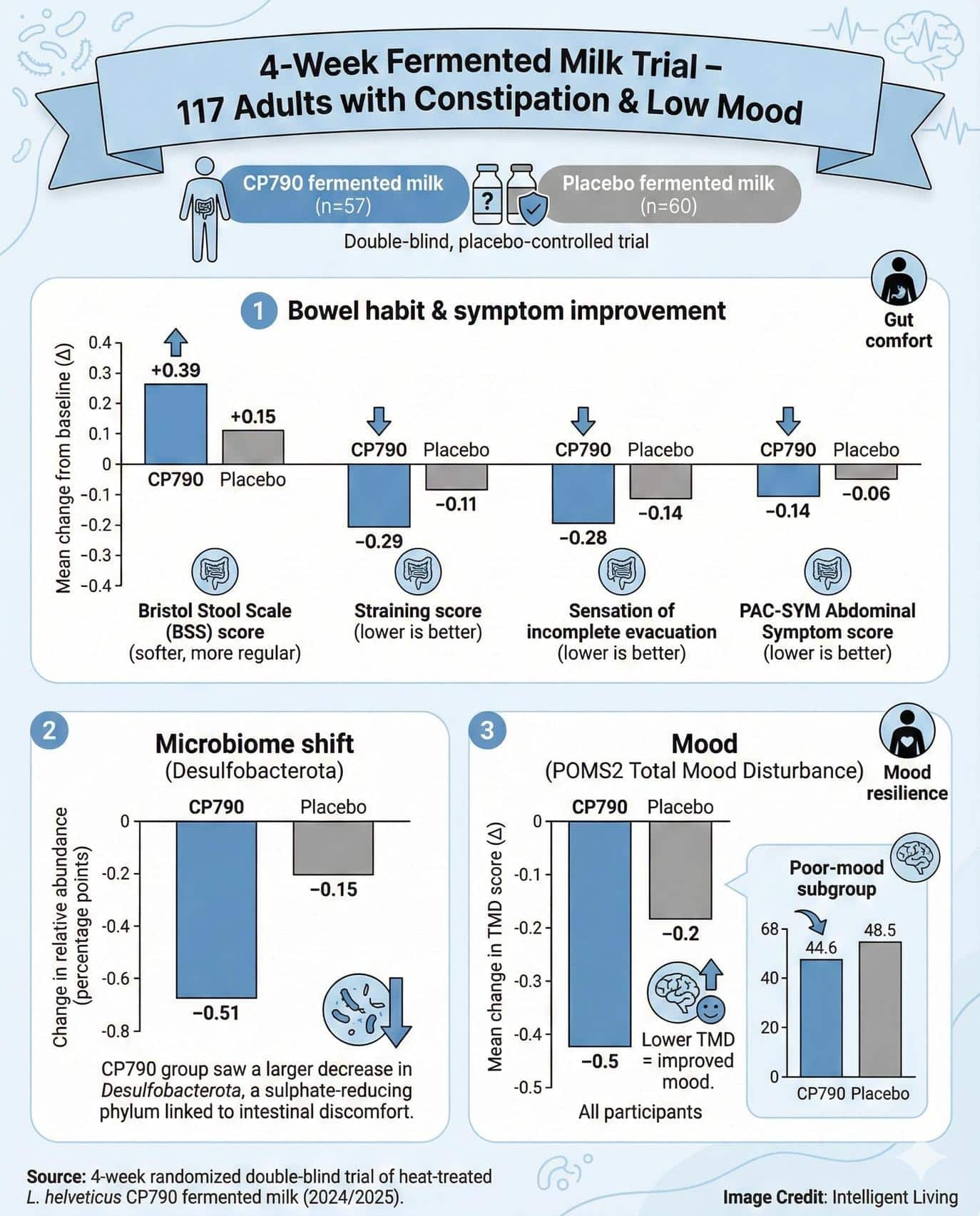
Fermented dairy products, particularly yogurt and kefir, consistently demonstrate measurable gains in digestive efficiency, inflammatory markers, and bowel regularity. A clinical evaluation of Lactobacillus helveticus CP790 utilized heat-treated fermented milk to demonstrate notable improvements in stool consistency and mood metrics. Such results suggest that even non-live microbial metabolites contribute to positive health outcomes.
Plant-based ferments, including sauerkraut, kimchi, and kombucha, deliver beneficial acids and bioactive peptides. However, clinical evidence for these foods remains less robust.
The findings in a recent kombucha trial demonstrated modest microbiome diversity gains after just four weeks. Despite these positive shifts, researchers cautioned that small sample sizes limit the broader conclusions of the study.
Strategic Selection: How to Identify High-Quality Fermented Items
When selecting fermented foods, check labels for terms like “live cultures” or “contains active probiotics” during selection. Avoid heat-pasteurized options unless they are specifically noted for postbiotic effects. Opting for low-sugar kombucha or plain kefir prevents added sugars from negating the gut benefits. Preparing natural probiotic beverages at home makes it easier to control sugar content and ingredients while building a daily fermented-food routine.
Marine Superfoods and Metabolic Health: Analyzing Recent Weight and Lipid Research
Recent meta-analyses have elevated seaweed from a coastal delicacy to a primary subject of metabolic research and functional nutrition. Analysis of eleven human-intervention studies within a comprehensive metabolic review revealed consistent metabolic improvements after eight weeks of consumption:
- Weight Management: Measurable reductions in BMI and total body fat.
- Lipid Stability: Significant decreases in LDL cholesterol levels.
- Sustained Progress: These benefits were observed in participants consuming either extracts or whole servings.
These findings reinforce seaweed’s classification as a functional food rather than a passing superfood fad.
Seaweed as a Metabolic and Microbiome Modulator
Beyond weight effects, seaweed’s soluble fibers foster the growth of Bacteroides and other SCFA-producing microbes that improve gut-barrier integrity and may reduce inflammation. A clinical evaluation of Himanthalia elongata using two grams per day of the seaweed found measurable microbiome shifts after just one month. These findings characterize seaweed as a sophisticated plant-prebiotic hybrid, delivering both metabolic stability and a more diverse internal gut ecosystem.
Practical and Safety Considerations
While the benefits are promising, seaweed’s mineral content requires moderation. Kombu and kelp varieties can exceed safe iodine limits with daily intake. The National Institutes of Health recommends adults stay below 1,100 micrograms per day to prevent thyroid disruption. For frequent use, lower-iodine types such as nori and wakame are safer choices. Consumers should also avoid hijiki due to its documented inorganic arsenic content. Traditional umami-rich marine seasonings offer flavorful, low-risk ways to integrate this marine vegetable into everyday meals.
Evidence from 2024–2026 demonstrates that seaweed and fermented foods complement each other beautifully: one introduces beneficial microbes, and the other feeds them. Together, they outline a sustainable, evidence-based path toward gut and metabolic health that is both ancient and undeniably modern.

Navigating the Marine Safety Spine: Balancing Iodine and Metal Concentrations
Seaweed serves as one of the most nutritionally concentrated foods on Earth, yet benefits depend heavily on the selected variety. Nori and wakame provide manageable mineral levels for regular use. In contrast, varieties like kelp and kombu contain iodine concentrations that may disrupt thyroid hormone balance if consumed daily.
A controlled study of iodine excretion that tested nori, kombu, and wakame found that urinary iodine levels rose by nearly 200 percent overall. In this trial, kombu showed the most significant increase, highlighting the need for variety-specific caution. Scientific guidelines for iodine safety thresholds note that exceeding 1,100 micrograms per day can lead to thyroid inflammation or reduced hormone output, particularly in sensitive populations.
Understanding the Risks of Arsenic and Other Metals
Specific seaweed species can accumulate inorganic arsenic, cadmium, or lead from their marine environment. Hijiki, a dark brown variety popular in certain cuisines, is consistently flagged in food-safety surveys for dangerous inorganic arsenic concentrations.
The national food composition database and various international regulators advise consumers to avoid hijiki entirely. Other species like nori and wakame show negligible levels when harvested from cleaner, monitored waters. Cooking or blanching seaweed can also help lower iodine and metal concentrations without significantly reducing beneficial fibers.
Implementation Protocols: Best Practices for Safe Marine Vegetable Intake
Nutritional standards generally recommend limiting seaweed intake to two to three servings per week to maintain safety while accessing benefits. Rotating between species lowers cumulative iodine and metal exposure. As a rule of thumb, one standard sushi nori sheet or a tablespoon of dried wakame flakes provides a mineral boost without exceeding safety limits. Selection of responsibly sourced products from verified origins, alongside avoidance of unregulated imports, ensures cleaner, safer nutrition.
The Gut-Brain Axis and Longevity: Strategic Interventions for Healthy Aging
The gut–brain axis—the two-way communication pathway between the intestines and the nervous system—is one of the most intriguing frontiers in modern nutrition research. Scientists are exploring how metabolites from gut bacteria, such as short-chain fatty acids, influence neurotransmitters that affect mood and cognition. Studies in 2024 and 2025 have begun to uncover tangible effects of fermented foods and specific prebiotic fibers on these pathways.
Cognitive and Emotional Resilience: Probiotic Signaling and Mood Regulation
A randomized trial using fermented milk found that participants reported improved mood and reduced digestive discomfort after four weeks. These results suggest a direct connection between digestive balance and emotional well-being. Furthermore, investigations into probiotic signaling and stress resilience demonstrated measurable effects on participants. This research aligns with existing data showing that gut bacteria play a central role in serotonin metabolism. Consistent consumption of fermented foods provides a natural spectrum of bacteria and metabolites that reinforce emotional resilience and cognitive stability.
Sustaining Structural Integrity: Gut Health and Musculoskeletal Aging
Emerging clinical data connect gut health to muscle preservation and mobility in older adults:
- Muscle Support: Fucoidan, a brown seaweed polysaccharide, shows promise in improving grip strength.
- Endurance Markers: Preliminary research indicates gains in physical endurance through specific marine compounds.
- Cognitive Maintenance: Observations where prebiotic fiber enhanced cognitive performance highlight how gut-driven metabolite changes track with better memory in long-term trials.
While some research focuses on supplements, maintaining microbiome diversity through regular fermented and prebiotic foods supports metabolic resilience as you age. Longer-term routines built around fiber and protein mirror the results of recent memory trials. Recognizing the impact of emotional stress on digestion connects emotional states to gut function and highlights why gut–brain strategies often start with everyday food choices.

Your 14-Day Starter Protocol: Integrating Fermented Staples and Marine Vegetation
Building new habits around fermented foods and seaweed doesn’t require a complex regimen. A two-week plan helps you establish variety and moderation without overwhelming your system or your grocery list.
The first week focuses on establishing a baseline of dietary variety without overstimulating the gut environment:
- Daily Ferments: Add one serving of fermented food daily, such as yogurt, kefir, or kimchi.
- Seaweed Introduction: Include seaweed once or twice this week, ideally as nori flakes or wakame in soups and salads.
- Hydration Focus: Drink plenty of water to support digestion and metabolite clearance.
Success in the first seven days prepares your system for more complex microbial shifts in the following week.
The second week expands your intake to broaden the ecological diversity of your microbiome while maintaining strict safety standards:
- Dose Escalation: Increase fermented food intake to two servings per day, alternating between dairy and vegetable sources.
- Liquid Variety: Experiment with kombucha or miso while maintaining low added sugar.
- Culinary Integration: Use seaweed as a seasoning—think furikake sprinkled over rice or vegetables—rather than a main dish.
- Safety Protocol: Skip hijiki and high-iodine kelp to rotate between safe varieties.
Following this gradual integration supports stable gut adaptation and prevents the digestive discomfort often associated with sudden fiber or probiotic increases. Comfort-oriented dishes utilizing nutrients that modulate the stress response can double as gut-friendly recipes when they emphasize fiber, fermented ingredients, and steady blood-sugar support.

Optimizing 2026 Vitality through Fermented Nutrients and Marine Fibers
For those committed to achieving peak metabolic and digestive wellness in 2026, the synergy between fermented nutrients and seaweed offers a high-impact, research-validated path. Integrating these foods creates a self-sustaining cycle where beneficial microbes are introduced and then meticulously fueled by marine polysaccharides. This strategy represents a sophisticated evolution of dietary wisdom that remains deeply effective and environmentally responsible.
Adopting a framework of highly bioavailable nutrient sources ensures that these gut-supportive staples are part of a balanced, long-term health architecture. Focusing on quality and diversity in your food choices provides a clear advantage for maintaining cognitive clarity and systemic vitality as you age. Moving forward with these 2026 insights allows for a more personalized and powerful approach to your nutritional goals.
Essential Insights on Microbiome-Supportive Nutrition
Does Kombucha Provide the Same Benefits as Probiotic Supplements?
Standard fermented beverages like kombucha offer a natural spectrum of diverse bacteria, yeasts, and organic acids that specialized supplements often lack. While capsules target specific clinical needs, regular consumption of fermented liquids supports a more varied and resilient gut environment through dietary diversity.
Which Seaweed Varieties are Recommended for Frequent Consumption?
Nori and wakame represent the safest options for regular inclusion due to their manageable iodine levels and low heavy-metal profiles. These varieties provide essential minerals and prebiotic fibers without the high thyroid-disrupting risks associated with concentrated kelp or kombu.
Can Probiotic-Rich Foods Replace Synthetic Supplements?
Whole fermented foods frequently fulfill nutritional needs by delivering live strains alongside beneficial peptides and vitamins that improve intestinal conditions. While some clinical situations require isolated supplement doses, a food-first approach provides a broader ecological balance for the gut microbiome.
What are the Primary Safety Limits for Dietary Iodine?
Health professionals recommend that adults maintain an iodine intake below 1,100 micrograms per day to ensure stable thyroid function. Since certain seaweeds like kombu can exceed this in a single serving, rotating between different marine species is the most effective safeguard.
How Do Fermented Ingredients Influence Mental Well-being?
Emerging research indicates that metabolites from fermented dairy and vegetables can signal the brain through the gut-brain axis to support mood stability. Consistent intake of these probiotic-rich items helps regulate neurotransmitters involved in stress resilience and emotional balance.


