
Hiring healthcare professionals requires finding qualified, compassionate individuals who can deliver high-quality care while complying with strict industry regulations.
With global demand for healthcare workers at an all-time high and projected to rise by 2.4 million roles by 2029 (Bureau of Labor Statistics), a thoughtful, strategic approach to hiring has never been more critical.
Whether you’re running a hospital, private clinic, long-term care facility, or community health center, this guide provides a 10-step roadmap to successfully source, evaluate, onboard, and retain top-tier healthcare talent.

10 Steps to Hire Healthcare Professionals
Hiring in healthcare demands compliance, clinical quality, and cultural alignment. Here’s a refined 10-step process to guide your hiring journey:
1. Establish Your Staffing Blueprint
Begin by conducting a comprehensive workforce analysis to understand your facility’s immediate and long-term needs. Identify the understaffed departments, critical roles for patient care, and necessary skill sets.
Create a detailed list of required positions, such as registered nurses (RNs), licensed practical nurses (LPNs), physicians, physical therapists, and other allied health professionals.
Clarify the clinical scope of each role and the certifications needed (e.g., BLS, ACLS, board certifications). Define shift types (day, night, rotating), and assess how many staff are needed per shift to maintain safe patient-to-provider ratios. Consider language skills, cultural competence, and the ability to work under pressure, especially important in diverse and high-volume care settings.
2. Write Job Descriptions That Attract Top Talent
To attract top-tier talent, your job description must move beyond a generic list of duties and speak directly to a candidate’s aspirations and daily realities. Start with a compelling summary of the role’s purpose and how it contributes to patient outcomes. Break down responsibilities into clear, actionable bullet points. Include required qualifications (degrees, licenses), years of experience, and preferred certifications.
Outline the team structure, types of patients served, and facility values. Highlight unique selling points: flexible scheduling, professional development opportunities, tuition reimbursement, or mental health resources. Ensure the tone reflects your facility’s culture, whether it is fast-paced and collaborative or academic and patient-family centered. Make the job posting easy to scan, optimize it for mobile use, and include a clear call to action to apply.
3. Use Targeted Sourcing Channels
To reach qualified healthcare talent, go beyond traditional job boards. Post on industry-specific platforms such as Health eCareers, PracticeLink, DocCafe, and NursingJobs.com. Use LinkedIn strategically to reach passive candidates, particularly for specialized roles like nurse practitioners or surgical techs.
Collaborate with medical and nursing schools, allied health training programs, and residency coordinators. Offer internship or externship programs to build relationships with emerging professionals. Reconnect with former employees or retirees who are open to part-time or mentoring roles.
For more focused results, consider partnering with a healthcare recruitment agency. For example, if you need to hire a dental assistant, an agency can quickly tap into credentialed talent through local dental colleges and vetted databases, helping you hire faster and more.
4. Strengthen Your Employer Brand and Recruitment Tools
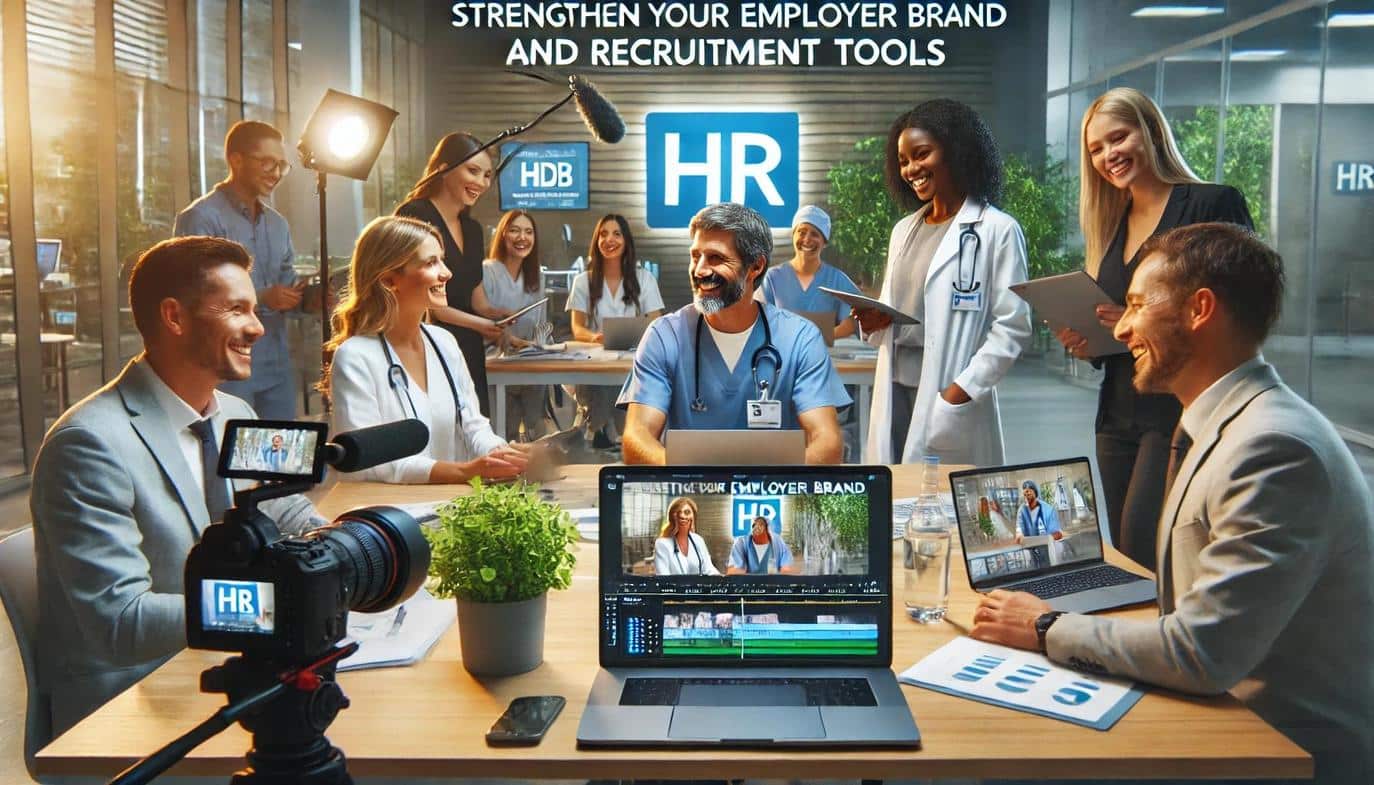
Healthcare professionals often choose employers based on workplace culture and reputation. Build your employer brand by highlighting staff satisfaction, retention success, and patient care achievements. Share real stories through employee testimonials, blog features, and video content that shows daily life in your facility. Promote initiatives like diversity, equity, and inclusion (DEI), employee wellness programs, or advanced training opportunities. Positive employer branding not only draws in better candidates but also increases employee retention.
Additionally, adopt modern recruitment tools to streamline hiring. Use an applicant tracking system (ATS) to manage resumes, automate screening processes, and schedule interviews. Offer a mobile-friendly application experience to avoid drop-offs and ensure a smooth candidate journey.
5. Ensure Rigorous Qualification and Compliance Screening
Screening in healthcare isn’t just about fit—it’s about legal and safety obligations. Begin by confirming that all licenses and certifications are current and valid. Check registration with state or national regulatory bodies, such as the NPI Registry or the DEA licensing for prescribers. Use credentialing services to verify educational degrees, board certifications, and ongoing professional education (CME/CEUs). Confirm there are no malpractice suits, sanctions, or disciplinary actions.
For international hires, ensure they meet immigration and licensure requirements in your region. This might include passing standardized exams (e.g., NCLEX, PLAB) and language proficiency tests. Thorough screening protects your patients and facility from legal liabilities and ensures consistent care standards.
6. Conduct Clinical and Behavioral Interviews
Because a successful healthcare hire depends on both clinical expertise and soft skills, interviews should be designed to test for technical knowledge and situational decision-making. Present case scenarios and ask how the candidate would respond, such as triaging multiple patients or handling an adverse medication reaction. Evaluate interpersonal skills—especially empathy, conflict resolution, and cultural sensitivity. Ask about experiences working with multidisciplinary teams and handling stressful situations.
If possible, include a peer interview or observation period on-site to assess how the candidate interacts in real-time with patients and staff. This holistic approach ensures you’re hiring someone who’s competent, compassionate, and collaborative.

7. Perform Background and Reference Checks
In a highly regulated industry, comprehensive background checks are non-negotiable. Run federal, state, and local background screenings to check for criminal history. Review sex offender registries and healthcare-specific exclusion databases (e.g., OIG, SAM). Contact former supervisors or department heads for professional references, asking specifically about the candidate’s reliability, attendance, ethical behavior, and teamwork.
Verify the reporting of any incidents if the candidate had access to medications or sensitive data. Review malpractice insurance history and previous employers for any red flags. Document all steps for compliance purposes, especially if you’re in a Joint Commission-accredited facility.
8. Make a Competitive and Transparent Job Offer
Once you’ve selected a candidate, move quickly with a competitive and detailed offer. Include:
- Base salary and incentive structures
- Call coverage expectations
- Paid time off and sick leave
- Insurance options (health, dental, malpractice)
- Tuition reimbursement or CME allowances
Be upfront about weekend and holiday shifts, patient ratios, and any on-call responsibilities. Transparency prevents future misunderstandings and builds trust from day one. When hiring internationally, please ensure clarity regarding visa sponsorship support, relocation assistance, and licensure reimbursement. Allow time for negotiation and answer all candidate questions thoroughly.
9. Streamline Credentialing and Onboarding
Credentialing is often a bottleneck—start early. Gather all required documentation: licenses, immunization records, training certificates, and background check results. Start the privileging process if the role involves direct patient care or access to medication. Create a structured onboarding plan that includes:
- EMR system training
- HIPAA and compliance modules
- Facility tours and department introductions
- Safety protocols and infection control procedures
Assigning a mentor or onboarding coordinator to help the new hire acclimate and conducting frequent check-ins during the first 90 days are proven strategies to increase retention and reduce anxiety.
10. Cultivate a Continuous Talent Pipeline
Don’t wait for a vacancy to begin recruiting. Establish a continuous pipeline of potential hires by partnering with universities, professional associations, and residency programs. Develop internal talent by creating leadership development tracks and promoting from within. Maintain a CRM or database of silver-medalist candidates, those who were qualified but not hired, and re-engage them for future roles.
Launch referral programs that reward current employees for successful hires. Use employer branding campaigns year-round, even when you’re not actively hiring. A well-nurtured talent pipeline ensures you’re never unprepared for turnover or expansion.

Conclusion
While hiring healthcare professionals is complex, a structured and strategic approach is the key to building a high-performing team that delivers exceptional care. Success depends on executing every step with precision, from initial credential checks to ensuring a strong culture fit.
Ready to transform your healthcare hiring process? Partner with experts who understand the balance between compliance, compassion, and clinical excellence.
Frequently Asked Questions About Healthcare Hiring
What is the most critical step in hiring healthcare professionals?
While every step is important, the screening and credentialing phase (Step 5) is arguably the most critical. Verifying licenses, certifications, and background checks ensures patient safety and legal compliance, which are non-negotiable in the healthcare industry.
How can we improve our candidate retention rates?
Improving retention starts with a strong onboarding process (Step 9) and a positive employer brand (Step 4). Assigning a mentor, conducting regular check-ins during the first 90 days, and delivering on the promises made during the hiring process are key to making new hires feel valued and supported.
Is it better to use a recruitment agency or hire directly?
The best approach depends on your needs. Direct hiring gives you full control, but partnering with a specialized healthcare recruitment agency (Step 3) can be more efficient for finding niche talent or filling roles quickly, as they have established networks and pre-vetted candidates.


