
Electric vehicle crashes involving impaired drivers are a growing concern worldwide. Recent data from the Texas Department of Public Safety, for instance, revealed a significant 17 percent increase in DWI-related EV incidents in 2024 alone. This trend highlights a new layer of complexity for anyone involved in a collision with a drunk driver operating an electric vehicle. The aftermath of such an accident extends beyond immediate damages, involving unique legal and technical challenges that can be difficult to navigate.
If you find yourself in this unfortunate situation, understanding your next steps is critical for protecting your rights and ensuring a fair recovery. The advanced systems in electric vehicles, from “black box” data recorders to sophisticated driver-assist features, can introduce hidden liabilities and create overlooked sources of evidence. This guide outlines the essential questions you must ask to build a strong claim, shield your rights, and support your physical and monetary recovery.

Understanding How Liability Is Determined
When you’re struck by an electric vehicle driven under the influence, you have to think of ways to protect your injury claims, as the process is rarely straightforward.
In Texas law, while fault generally falls on the impaired driver, with EVs, additional parties like the manufacturer or software provider might share liability if a system malfunction contributed to the accident.
In Texas, product liability suits are permissible if brake failure or sensor glitches are proven to be contributing factors. Given that a 2022 report documented over 1,162 alcohol-related fatalities in Texas, the state takes all aspects of impaired driving incidents seriously.
If EV technology played a role, investigating the vehicle’s “black box” data and battery system health becomes key to fully ascertaining liability.
Building a Strong Case for Injury Compensation
After an EV-DWI collision, you might assume medical bills and vehicle repair cover everything, but you may deserve more than just basic reimbursement. The Lone Star State laws allow you to sue for a range of damages, including:
- Medical expenses
- Lost wages
- Future treatment costs
- Emotional distress
- Pain and suffering
In some cases, punitive damages may even be awarded if the driver’s conduct was particularly egregious.
Today, EV collisions may also involve fire or toxic exposure risk from lithium‑ion battery damage, which can raise the stakes for compensation.
It is also important to understand how Texas law handles shared responsibility. The state follows a modified comparative fault rule, meaning if you are found more than 50% at fault, you cannot recover any damages. Even with partial fault, your compensation will be reduced by your percentage of blame, so every piece of evidence is critical.
Finding the Right Legal Help After Your Accident
It is a common misconception that only the drunk driver’s insurance will handle the incident. While criminal DWI charges proceed, it is crucial to remember that you have separate civil rights to protect, and relying solely on an insurer’s goodwill may not be sufficient.
You can file a personal injury case even before or independent of any criminal conviction in court. You might even pursue dram shop or employer liability claims if a bar overserved the driver or if they were on duty as an employee.
For more detailed support, you may need to seek legal help for drunk driving accusations via expert Texas attorneys for your defense and other counterclaims. They understand and help you walk through the process of combining personal injury and DWI law to maximize your recovery.
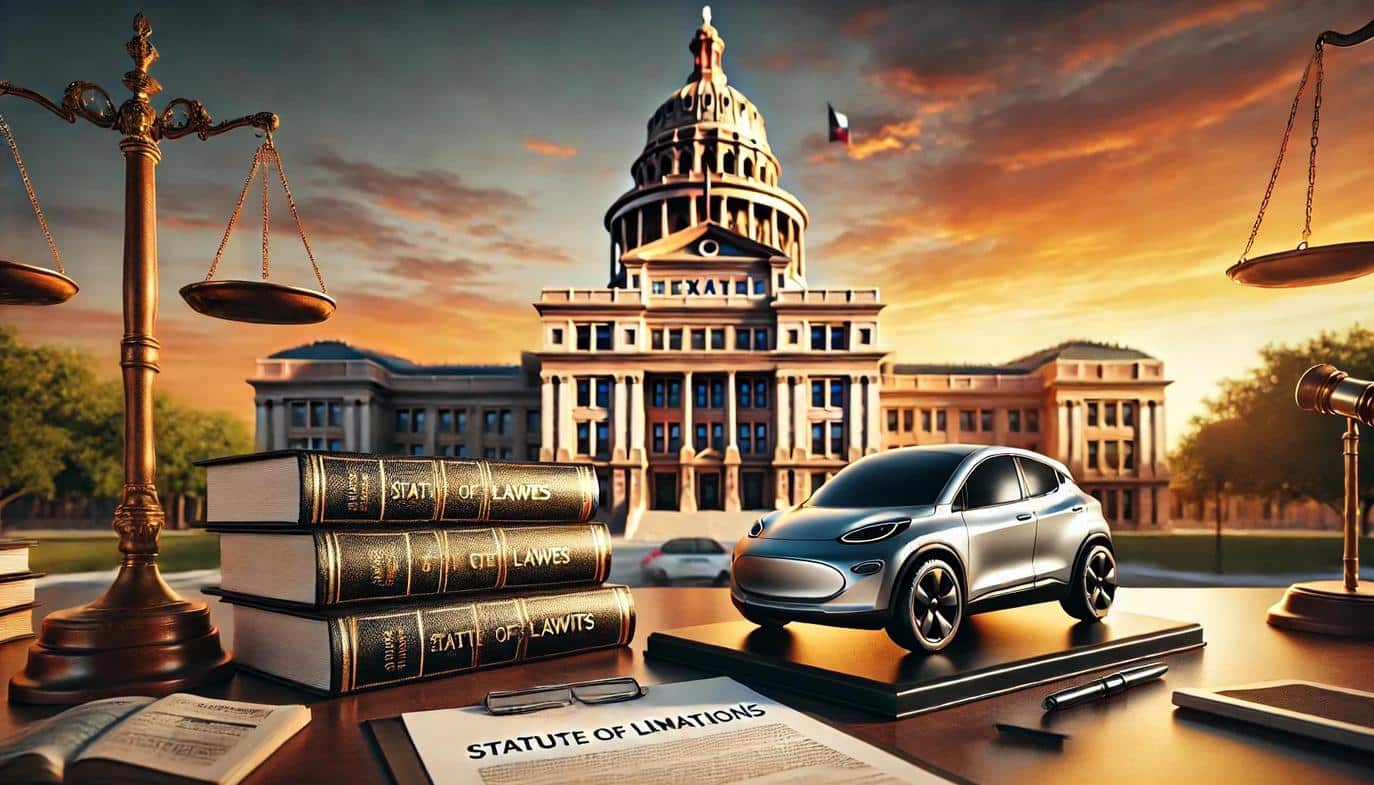
How State Vehicle Laws Can Affect Your Claim
State laws impose strict deadlines for filing civil claims, and it is crucial to act promptly. You have just two years from the date of your mishap to file a personal injury lawsuit, especially in Texas. Missing this deadline will almost certainly forfeit your right to file a civil claim. Your insurer and the driver need to hold at least the state‑minimum liability coverage of 30/60/25 (that’s $30,000 per person, $60,000 per accident for injuries, $25,000 for property damage).
If their limits aren’t enough, you may have claims against other sources, like the dram shop, employer, or even manufacturer liabilities.
Identifying the Unique Risks of an EV Crash
It is a mistake to assume that EV accidents are like any other vehicle crash. Most often, EVs are heavier, rely on complex software, and run quieter than gasoline-fueled cars. This can add hidden hazards, such as:
- Battery fires or toxic exposure
- Software failures or electronic log issues
- Silent acceleration problems
- Brake override malfunctions
If EV features, like Autopilot‑style driver assist, were active, it may introduce another layer of manufacturer liabilities. It’s where your injury attorney can secure electronic event data and expert testimony to bolster your claim and case.
Investigating if Other Parties Could Share Fault
One great misconception in EV accidents is that only the drunk driver and you matter. However, third parties may be involved, like in dram shop laws in Texas, where bars and restaurants can be held liable if they overserve a visibly drunk person who then causes an accident.
Under the doctrine of vicarious liability, employers may be held responsible if the driver was working at the time of the accident, especially if the company was aware of impairment risks or failed to enforce safety protocols.
Furthermore, in EV cases, manufacturers can be held accountable for defective designs or software flaws. Identifying each potentially liable party is a key strategy for accessing more comprehensive insurance funds and legal options.

Empowering Your Legal Strategy After an EV Collision
When an impaired driver in an electric vehicle injures you, it is essential to stand up for your rights. By focusing on key areas—such as liability, potential compensation, legal timelines, unique EV technical risks, and all parties who may share fault—you can build a powerful legal strategy. Asking the right questions in the proper venue is the first step toward ensuring every part of your claim is recognized and valued.
Answering Common Questions About Impaired EV Accidents
Can anyone besides the drunk driver be held liable?
Yes. In an electric vehicle collision, other parties might share liability. This can include the vehicle manufacturer if a system malfunction occurred, an employer if the driver was on duty, or even a bar that overserved the driver under Texas dram shop laws.
What kind of compensation can I seek after being hit by an impaired EV driver?
Beyond initial medical bills, you can sue for lost wages, future treatment costs, emotional distress, and pain and suffering. In cases of extreme negligence, punitive damages may also be awarded to punish the wrongdoing of the impaired driver.
How long do I have to file a claim in Texas?
In Texas, you have a two-year statute of limitations from the date of the accident to file a personal injury lawsuit. Missing this critical deadline will likely result in the dismissal of your civil claim.
Are there unique risks associated with EV accidents?
Yes. Electric vehicles present unique risks, including battery fires, toxic exposure from damaged lithium-ion batteries, and potential software failures in driver-assist systems like Autopilot. These factors can complicate liability and increase the stakes for compensation.


