
Do you ever think about how your weight affects your brain? Did you know that obesity can mess with a person’s mental wellness? It’s not just about looking good, folks. Maintaining a healthy weight is crucial for both your physical and psychological health.
There’s no shortage of options available when shedding some pounds. However, some people may find that traditional methods such as diet and exercise don’t work for them. This is where medical options come into play.
So, let’s dive in and explore how keeping a healthy weight can benefit your mental wellness. Oh, and not to leave you hanging – we’ll also toss in some tips to help you achieve your goals.
Medical Options for Weight Loss
One of many medical weight loss options is injections containing hormones or other substances that suppress appetite or increase metabolism. They can be a quick and effective way to jumpstart weight loss combined with a healthy lifestyle.
Keep in mind that these injections should never be administered without the guidance of a licensed healthcare provider. They come with potential side effects and may interact with other medications you’re currently taking.
Listen, don’t make the mistake of relying solely on injections as a long-term solution for weight management. Sure, they may help, but a healthy diet and regular exercise should always be the foundation of your weight loss plan.
And hey, if injections seem viable for you, you must chat with your healthcare provider first. A professional can help to determine the right choice and warn you of any potential side effects or risks. Finally, remember that sustainable weight loss isn’t immediate; hard work and dedication over time will achieve your intended result.

The Relationship Between Weight and Mental Health
The connection between weight and mental health is undeniable. Research has consistently proven that obesity can negatively impact a person’s overall mental wellness. Firstly, carrying excess weight puts additional physical stress on the body, which may lead to chronic pain, low energy levels, and decreased motivation – all of these factors can exacerbate feelings of depression and anxiety.
Secondly, people who suffer obesity often face social stigma and discrimination because of their size. This can lead to poor self-esteem, increased social isolation, and reduced quality of life – all factors that negatively impact mental health.
Moreover, studies have revealed that those with a high body mass index (BMI) are more likely to develop psychiatric disorders such as depression, anxiety, and bipolar disorder. While the exact reasons for this link are intricate, it’s possible that inflammation caused due to excess fat tissue may play a role.
Thus, being able to maintain a healthy weight is absolutely crucial for physical and mental well-being. By taking steps towards achieving a healthy BMI through diet, exercise, or medical interventions like injections, one can improve not just their physical health but also their mood and emotional state too!
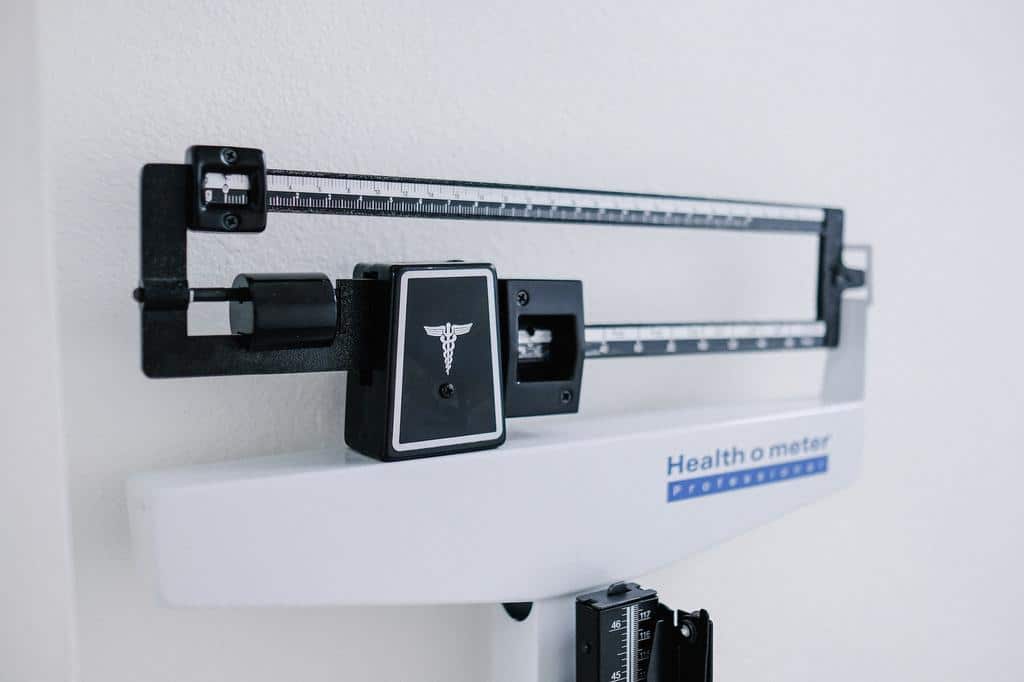
How Obesity Impacts Your Emotional Well-being
Carrying excess weight takes a severe toll on your mental health. Not only does it often result in a negative body image and low self-esteem due to pervasive weight stigma, but it also heightens the likelihood of developing conditions such as depression and anxiety. Various studies have confirmed that individuals with a higher BMI have an increased risk of experiencing symptoms associated with these conditions compared to folks with a healthy weight.
Moreover, carrying excess weight also affects cognitive functioning. For instance, research suggests that obesity may impair memory and concentration skills and reduce creativity.
Furthermore, obesity can make physical activity more challenging, leading to social isolation and lower energy levels, further exacerbating depression-like symptoms.
Taking care of ourselves by eating well-balanced meals balanced in nutrients coupled with a regular exercise routine paired with adequate sleep hygiene not only helps our bodies but also improves our overall quality of life and mental well-being too!

How Can a Healthy Weight Benefit Mental Wellness?
When it comes to maintaining a healthy weight, the benefits extend beyond enhancing physical health. It also bolsters emotional well-being by reducing stress and anxiety, improving mood, and elevating self-esteem.
When you adopt healthy eating habits and exercise regularly, you release endorphins, the “feel-good” hormones that promote happiness and reduce depression. Moreover, achieving your desired weight loss goals or maintaining a healthy weight provides a sense of accomplishment that boosts confidence levels.
Conversely, carrying extra weight greatly affects an individual’s emotional well-being. For example, negative body image issues often lead to low self-esteem. At the same time, social isolation and weight stigma often trigger the onset of depression and anxiety disorders.
By maintaining a healthy weight through balanced nutrition, portion control, and regular exercise routine; individuals gain numerous benefits related to their overall health, including improved mental clarity for better focus at work or school; higher energy levels for daily activities; more robust immune system responses against illness/disease risks – all contributing factors towards optimum mental wellness.
Maintaining an optimal body weight is essential for both physical and mental well-being. By adopting healthier lifestyle choices such as regular exercise routines coupled with good nutrition practices- we can experience significant improvements in our emotional well-being along with other aspects of general health.

Tips for Maintaining a Healthy Weight
Maintaining optimal weight is no easy feat. It requires strong willpower, unwavering commitment, and a bit of determination to adopt healthy lifestyle habits that can help you reach and maintain your ideal body weight.
One of the most crucial tips for maintaining a healthy weight is to consume a balanced diet. This means filling your plate with nutrient-dense foods such as fresh fruits and veggies, lean proteins, whole grains, and healthy fats. It’s best to steer clear of processed foods and sugary drinks since they are usually high in calories but low in nutritional value.
As important as eating properly, regular exercise is critical for maintaining a healthy weight. Exercise is beneficial in that it not only helps burn calories but also builds muscle mass, which raises your metabolism and helps your body burn fat even while at rest.
Getting enough restful sleep is also crucial for weight management. This is because lack of sleep disrupts your hunger hormones, increases appetite, and triggers cravings for unhealthy foods, leading to overeating.
Stress can also significantly affect unhealthy eating habits and weight gain. However, managing stress through relaxation techniques like meditation and yoga can help reduce the risk of comfort eating or overindulging in unhealthy snacks.
And let’s not forget about staying hydrated! Drinking enough water throughout the day helps keep you feeling fuller for longer. It flushes out toxins from your system, aiding good health practices overall.
Conclusion
In summary, maintaining a healthy weight isn’t only about physical well-being; it also plays a vital role in our emotional well-being. Obesity can contribute to mental health problems like depression, anxiety, and low self-esteem. Conversely, shedding extra pounds and embracing healthy lifestyle habits can significantly improve our mood and overall well-being.
Remember, finding a healthy weight isn’t something that can be done by just following a crash diet or quick fix – it takes consistent effort and patience to adopt sustainable habits over time. With persistent effort and patience, you’ll see positive physical and mental changes.

