
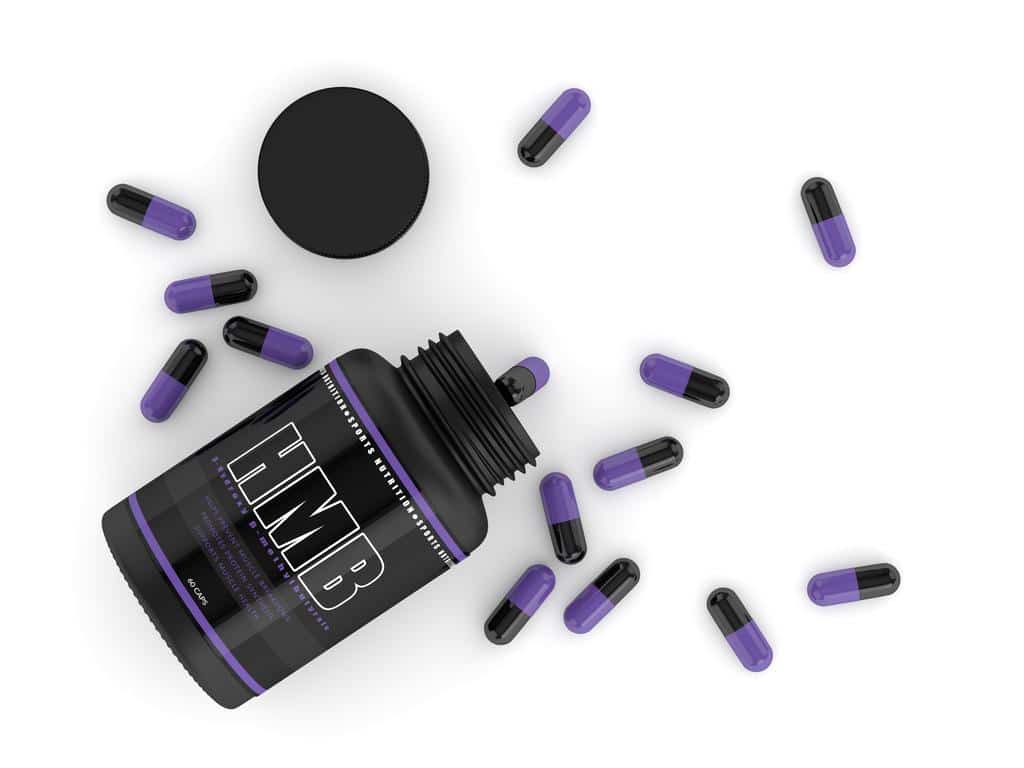
A recent study suggests that an easy remedy may be hiding in plain sight for those worried about memory loss and the progression of Alzheimer’s disease. Rush University Medical Center researchers found that beta-hydroxy beta-methylbutyrate (HMB), a supplement commonly used by bodybuilders, could potentially protect against these health concerns.
HMB is a non-prescription, non-steroid over-the-counter supplement that is regularly used by bodybuilders to enhance muscle size, strength, and exercise performance. Creatine sits in a similar category, and new research is examining what it can do for lean tissue and strength in middle age, even without a structured workout program. Long-term use is considered safe, with no known side effects. Now, Rush University researchers have discovered that there may be significant memory-saving benefits as well.
According to researcher Kalipada Pahan, Ph.D., “This may be one of the safest and the easiest approaches to halt disease progression and protect memory in Alzheimer’s disease patients.” The findings published in Cell Reports suggest that it could be a potential weapon in our arsenal against Alzheimer’s—an irreversible brain disease that destroys memory and thinking capabilities.
The researchers based their conclusions on studies involving mice with Alzheimer’s disease. They found that HMB reduced Alzheimer-like plaques and increased factors for neuronal growth, offering protection to learning and memory processes.
The beneficial proteins known as neurotrophic factors, which are drastically decreased in the brains of people with Alzheimer’s disease, were found to be increased by HMB. This increase helps the survival and function of neurons, which are instrumental in communicating messages between the brain and the body.
Notably, the Rush University researchers found that HMB achieves these effects by stimulating a nuclear hormone receptor (PPARα) in the brain, which regulates fatty acids’ transport—a critical insight considering the brain is nearly 60% fat and requires fatty acids for normal functioning.
Fundamentally, the researchers emphasized the need for replication of these mouse results in Alzheimer’s disease patients to open up a promising new treatment avenue.
Ultimately, the study’s findings could revolutionize Alzheimer’s treatment, which has been slowly progressing over the years. Presently, Alzheimer’s is the most common cause of dementia among older people, with an estimated 6 million Americans affected. Further research into this promising supplement may soon provide hope to these individuals and their loved ones.
The study Muscle-building supplement β-hydroxy β-methylbutyrate binds to PPARα to improve hippocampal functions in mice was published in the journal Nutrients.


