
Weight management is often treated like an acute sprint rather than a long-term system design problem. When you cut calories drastically without addressing underlying metabolic signals, your body fights back by slowing down your energy expenditure and driving intense hunger spikes.
To break this frustrating cycle, modern clinical approaches focus on shifting how your brain and gut process satiety signals. If you are exploring options like a medical weight loss injection, treating it as one supportive component within a broader metabolic framework gives you the highest chance of long-term success. Understanding how clinical therapy alters daily appetite allows you to build sustainable habits that survive long after treatment ends.
This kind of integrated approach is central to personalized metabolic programs, which tailor nutrition, movement, and clinical support to the way an individual’s body actually processes fuel. Pairing that framework with evidence-based protein recommendations for muscle preservation helps protect lean tissue while calories are reduced.
The Hidden Trade-Off in Weight Loss
Most traditional advice tells you to focus entirely on driving down the number on your bathroom scales. The real answer is that scale weight is an incomplete metric; preserving lean muscle mass matters vastly more than total weight dropped.
When you reduce appetite significantly, your total calorie intake plummets. If you do not actively manage protein intake and resistance training, up to 40 percent of the weight you shed can come from lean muscle tissue rather than fat stores. Losing muscle degrades your basal metabolic rate, making future weight maintenance far harder.

A Concrete Example of Daily Fueling
Consider a concrete scenario. Suppose you weigh 85 kilograms and enter a treatment protocol that reduces your daily calorie intake from 2,400 calories down to 1,300 calories. If you fill those reduced calories with standard light meals, you might only consume 45 grams of protein per day.
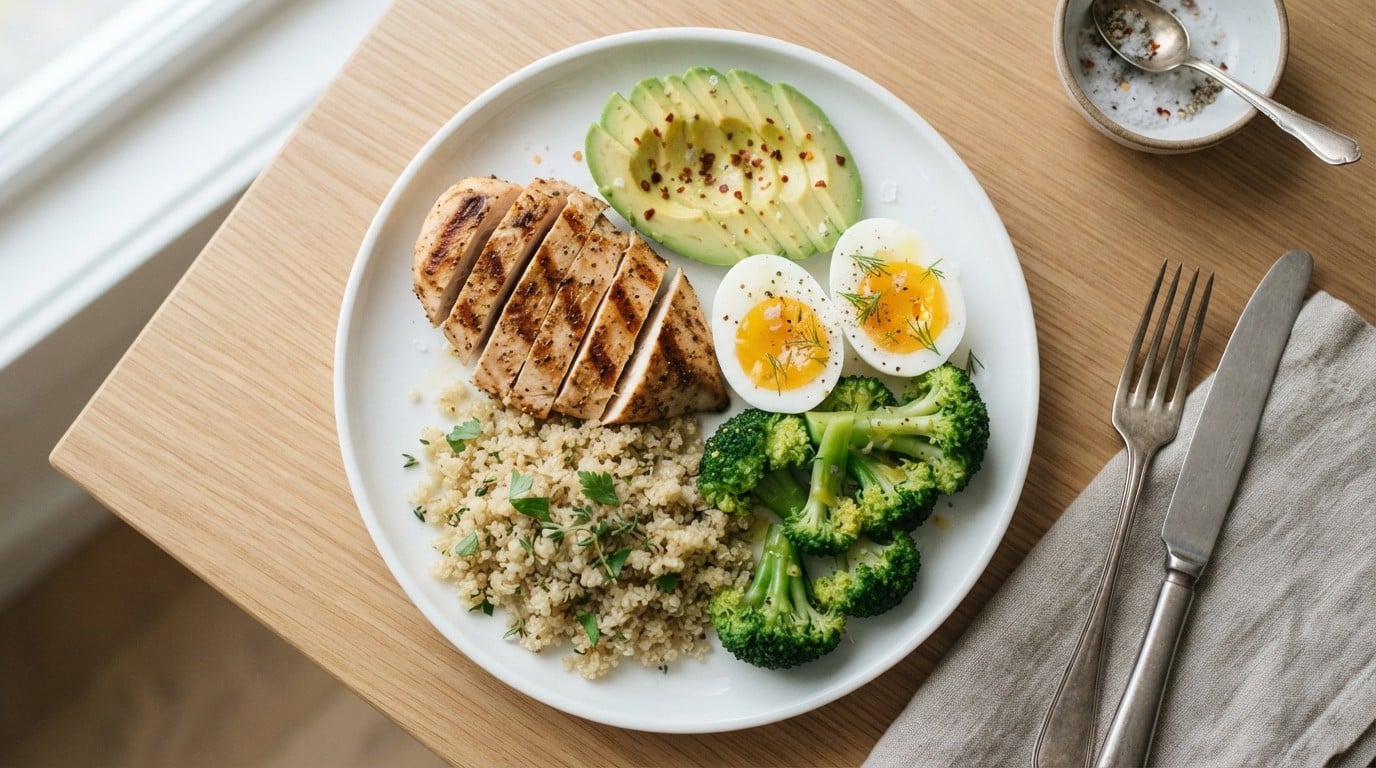
To protect your metabolic baseline, a better target is 1.5 grams of protein per kilogram of your ideal weight. If your target weight is 70 kilograms, you need roughly 105 grams of protein daily. Meeting this target inside a tight 1,300 calorie limit requires deliberate meal design, placing high-density protein sources at the centre of every plate before adding secondary foods.
The Costly Mistake of Abrupt Stopping
The most common and expensive mistake people make is treating metabolic therapy like an on-off switch. Patients frequently reach their target weight, stop their clinical treatment overnight, and assume their new weight will stay stable on its own.
This mistake happens because physical hunger signals return rapidly when treatment stops, while natural fullness hormones take months to rebalance. Ending a treatment programme without a structured step-down plan leads to rapid weight regain, wasting both your financial investment and hard-earned progress.
Building Core Habits During Treatment
While clinical treatment lowers your appetite, you enjoy a rare psychological window where food cravings do not dictate your daily choices. Using this period to establish automatic routines ensures your results endure long term.
Focus on three structural habits during this phase:
- Prioritise protein execution: Eat your target protein portion first at every meal before touching carbohydrates or fats.
- Lock in strength training: Complete two or three basic strength sessions each week to signal your body to retain muscle tissue.
- Track physical performance: Measure your strength progress in simple exercises rather than focusing solely on daily scale movements.
By tracking strength alongside weight loss, you confirm that lost mass comes from fat rather than functional tissue.
A Simple Decision Rule for Progress
You do not need complicated tracking spreadsheets to judge whether your programme is on the right track. You can apply a simple decision rule based on performance.
If your scale weight decreases while your strength in basic movements remains stable, your body is burning fat while preserving muscle. If your strength drops by more than 10 percent over a four-week period, your calorie reduction is too steep or your protein intake is insufficient, regardless of how encouraging the scale looks.
Building lasting health is ultimately an exercise in system design rather than willpower. By combining modern clinical tools with disciplined muscle preservation and a thoughtful off-ramp strategy, you set yourself up for sustainable success. Focus on the underlying metrics that matter, give your body time to adapt, and treat every adjustment as a permanent improvement to your daily routine.


