
In an era where financial stability often seems like an elusive dream for many, debt consolidation emerges as a beacon of hope. The intersection of technology and finance has led to the development of innovative tools and platforms designed to streamline the debt consolidation process, making it more accessible and manageable than ever before.
These technological advancements are not only transforming the way consumers approach their debts but also how financial institutions deliver solutions. From automated debt management apps to AI-driven advisory services, technology is at the forefront of revolutionizing debt consolidation efforts, providing individuals with the resources they need to regain control of their financial lives.

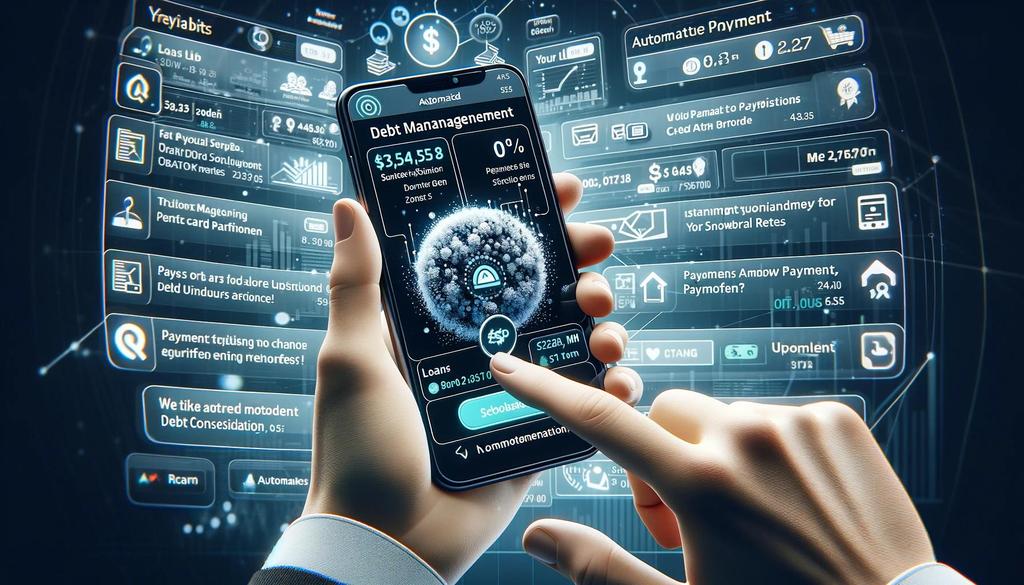
Automated Debt Management Apps
Automated debt management applications offer a user-friendly approach to managing various debts from a single platform. By aggregating information on loans, credit cards, and other forms of debt, these apps provide a comprehensive overview of an individual’s financial obligations. They not only track outstanding balances but also recommend optimized payment strategies, like the snowball or avalanche methods, to expedite debt freedom.
What sets these apps apart is their ability to automate payments and negotiate lower interest rates directly with creditors, reducing the manual effort required from users. The convenience and efficiency of automated debt management tools have made them indispensable to individuals seeking to streamline their debt consolidation efforts.
With smart debt consolidation, individuals can stay on top of their financial situation and make progress toward becoming debt-free. Not to mention, the transparency provided by these apps allows for greater accountability and budgeting.
AI-Driven Financial Advisory Services
The integration of artificial intelligence (AI) in financial advisory services has been a game-changer for debt consolidation. AI algorithms can analyze vast amounts of financial data to offer personalized advice and strategies tailored to an individual’s unique circumstances. These services can predict the most effective ways to consolidate and pay off debts, taking into account interest rates, repayment terms, and the potential impact on credit scores.
AI-driven platforms can continuously monitor a user’s financial health, adapting recommendations in real time as their financial situation evolves. By taking proactive steps in managing debt, individuals can ensure they are consistently moving towards reducing and eventually getting rid of their debt. AI-driven advisory services offer support so people don’t have to tackle the complexities of debt consolidation by themselves. Instead, they can count on advanced technology to help them achieve financial stability.
Peer-to-Peer Lending Platforms
Peer-to-peer (P2P) lending platforms have emerged as a novel solution for individuals looking to consolidate their debts. By connecting borrowers directly with investors, these platforms often offer more favorable terms compared to traditional financial institutions, including lower interest rates and more flexible repayment options.
The application process on P2P platforms is typically streamlined and digital, making it faster and more accessible than securing a consolidation loan through a bank. This has made P2P lending an attractive option for many who are seeking to manage their debts more effectively. These platforms often have lower fees and penalties, providing individuals with a cost-efficient debt consolidation option.

Credit Score Monitoring Tools
Credit score monitoring tools represent another technological innovation benefiting individuals in their debt consolidation efforts. These tools provide users with real-time access to their credit scores, offering insights into how their financial decisions affect their creditworthiness. By understanding the factors that impact their scores, individuals can make informed choices about which debts to prioritize and how to strategize their repayments.
Many of these tools offer alerts on potential fraud or errors on one’s credit report, allowing for swift action to protect their credit score. This level of oversight is crucial for anyone looking to improve their financial standing or preparing to apply for a consolidation loan, as a healthier credit score often translates to more favorable loan terms.
In addition to monitoring, some credit score tools integrate educational resources to help users understand the nuances of credit reporting and debt management. This empowers individuals with the knowledge to not only manage their current debt but also to make strategic decisions that prevent future financial strain. By coupling technology with financial education, these tools play a vital role in helping users achieve long-term stability and avoid the pitfalls of debt accumulation. In an increasingly complex financial landscape, such resources are invaluable in navigating the path to financial freedom.
Blockchain for Debt Issuance and Trading
Blockchain technology is starting to make its mark on the debt consolidation landscape through decentralized platforms for debt issuance and trading. These platforms can potentially lower the costs associated with debt consolidation by eliminating intermediaries and providing a more transparent, secure environment for transactions.
The use of smart contracts on blockchain platforms automates the execution of agreements and payments, further enhancing the efficiency of the consolidation process. Although this application of blockchain is still in its nascent stages, it holds significant promise for streamlining debt management in the future.

Financial Literacy Platforms
Financial literacy is the foundation of effective debt management, and many platforms now offer resources designed to educate users on the principles of debt consolidation, budgeting, and personal finance. These platforms utilize interactive tools, video tutorials, and personalized content to make learning about finance engaging and accessible.
By increasing their financial literacy, individuals are better equipped to understand their debt consolidation options and make decisions that align with their long-term financial goals. This empowerment through knowledge is a critical step towards achieving financial stability and independence.
Mobile Payment Solutions
The rise of mobile payment solutions has simplified the way individuals manage and pay off their debts. By enabling payments to be made anytime and from any location, these platforms ensure that users can stay on top of their debt without the constraints of traditional banking hours or processes.
Quite a few mobile payment apps come with features made specifically for managing debt, like setting up automatic payments, keeping an eye on repayment progress, and even bargaining for better repayment terms with creditors. This convenience and functionality are what make mobile payment solutions a crucial part of today’s debt consolidation toolkit.

Future of Debt Consolidation: Empower Through Technological Innovations
The fusion of technology and finance has introduced a myriad of tools and platforms that are revolutionizing the way individuals consolidate and manage their debts. Technology, like apps for managing debt and AI-based financial advice, as well as peer-to-peer lending platforms and credit tracking tools, is giving people better access to personalized ways to combine their debts. New ideas, such as using blockchain for issuing and trading debt, along with efforts to teach people more about money through educational tools, are helping individuals reach financial freedom.
These technological advancements not only offer practical solutions but also empower users with the knowledge and resources necessary to make informed decisions about their financial futures. As technology continues to evolve, we will likely see even more innovative solutions designed to streamline the debt consolidation process, making financial stability an achievable goal for many.

