
Struggling with an anxiety disorder can negatively interfere with your life and complicate even the most basic tasks and activities. Most people who experience even the mildest anxiety disorder symptoms are desperate for relief.
But is there a cure for anxiety disorders?
The Short Answer: There Is No Cure
The shortest answer we can provide is a simple “no.” There is no cure for mainstream anxiety disorders, and there probably never will be. There are several reasons for this.
For starters, anxiety is a natural and necessary part of the human condition; it’s a feeling we are all supposed to experience, at least occasionally, when facing difficult or challenging situations. The distinction between normal and abnormal anxiety is remarkably vague. It proves challenging to accurately pinpoint the presence of a disorder, let alone decisively eradicate it.
There’s also a lot we still don’t understand about anxiety disorders. They manifest differently in different people and present a wide constellation of different possible symptoms. Before we can even begin to think about curing a disease, we need to understand it properly.
Still, many people with anxiety disorders eventually find a combination of treatment and management strategies that allow them to live normal, healthy lives with their anxiety consistently in check. These people may still have occasional struggles with anxiety for the rest of their lives, but their anxiety no longer dominates their lives.

Treatment Options for Anxiety Disorders
Fortunately, while there are no total “cures” for an anxiety disorder, there are many ways to treat anxiety disorders. Two of the most important strategies include:
Psychotherapy
Multiple forms of psychotherapy can help people better understand their symptoms, provide context to their thoughts and feelings, and equip them with strategies for how to better manage anxiety in day-to-day life.
For instance, cognitive behavioral therapy (CBT) emphasizes enhancing individuals’ understanding of their thoughts and behaviors. It also involves setting goals, engaging in exercises, and receiving directives to effect actionable improvements in their lives. Exploring hypnotherapy in London can offer an alternative approach to addressing anxiety and other psychological concerns by utilizing guided relaxation and focused attention.
Medications
For patients for whom psychotherapy isn’t working or patients with severe anxiety symptoms, medication may be the answer. Various prescription medications are effective in controlling anxiety symptoms associated with anxiety disorders; ask your doctor for more information.

Activities and Life Practices
Apart from psychotherapy and medication, the most effective options for treating and managing anxiety disorders revolve around lifestyle changes and habits. These are practices that individuals can independently incorporate into their daily lives.
General Lifestyle Improvements
First, focus on making general lifestyle improvements. Get enough sleep every night, stay hydrated throughout the day, eliminate junk food, eat healthier foods, and practice good hygiene. This may be challenging if you’re already struggling with anxiety, but it’s going to help your anxiety symptoms improve.
Substance Control
Next, focus on any substances that may be making your anxiety worse and eliminate or reduce them. For example, caffeine is a stimulant that can make anxiety symptoms worse; cutting out coffee, switching to decaf, or even slightly limiting your caffeine consumption can all make a positive impact. Alcohol, tobacco, and other drugs can also complicate anxiety symptoms.
Physical Exercise
Get as much physical exercise as you can. It’s one of the best ways to stave off anxiety symptoms and control stress, and it’s also an excellent way to stay in good physical shape.
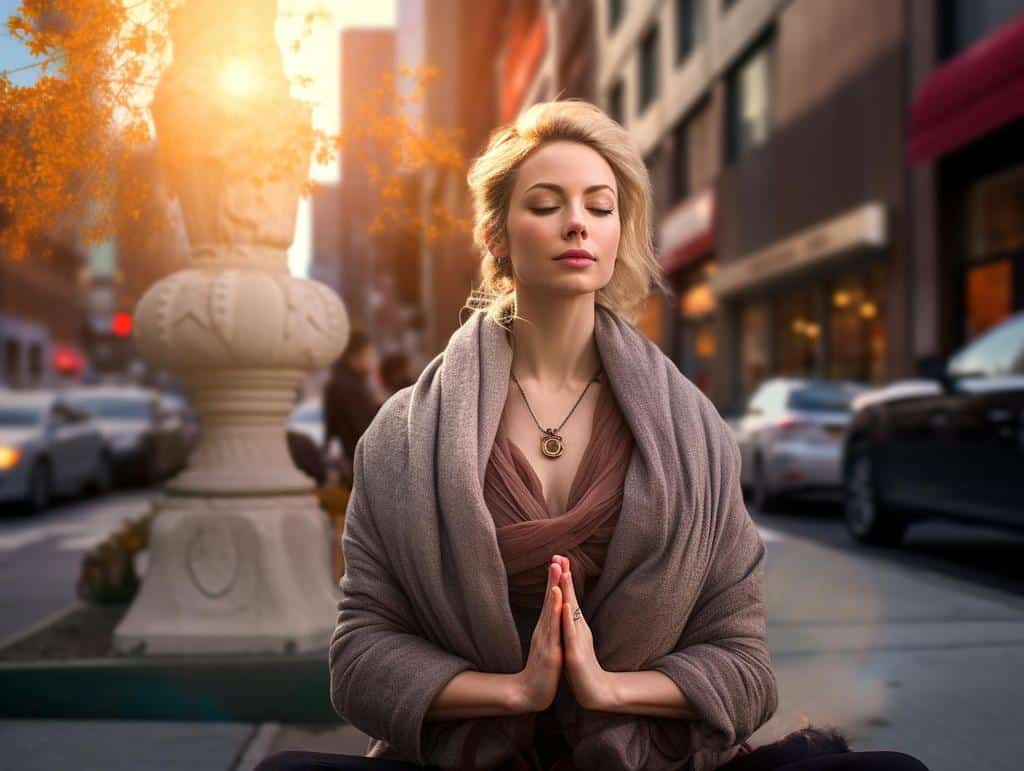
Mindfulness Meditation
Mindfulness meditation is challenging at first, but it becomes easier with practice. Once you learn to focus only on the immediate present, any anxieties tied to moments of the past or future are going to disappear.
Journaling
Journaling is a valuable way to explore the contents of your own mind. If you journal consistently, it’s also a good way to keep track of whether your anxiety symptoms are improving – and help determine your biggest anxiety triggers.
Counting Exercises
Certain individuals can alleviate their anxieties at the moment by practicing simple counting exercises or mindfully observing objects in the room as a means of distraction. This technique can help redirect their focus and bring a sense of calm during distressing moments.
Relaxation and Stress Management Techniques
Practically any relaxation or stress management technique has the potential to assist in regulating anxiety, provided that it is a reasonably healthy practice. Whether it’s deep breathing, progressive muscle relaxation, or mindfulness exercises, finding a technique that resonates with you can significantly contribute to managing anxiety levels.
Herbal Supplements/Alternative Remedies
Numerous herbal supplements and alternative remedies have been suggested for the management of anxiety. These include valerian root, kava, and chamomile. The evidence for many of these supplements is mixed. Therefore, it’s important to consult your doctor about them, conduct your own research, and make decisions that align with your unique situation.
A Brighter Future
If you currently struggle with an anxiety disorder or if you feel like anxiety is taking over your life, there is hope for you. There may not be a readily available “light switch” cure for anxiety disorders, but there are countless professionals willing and able to help you through your most difficult mental challenges and dozens of habit and lifestyle changes that can help you thrive.

