
In Japanese cooking, mastering essential culinary techniques forms the foundation of authentic meal preparation. Familiarizing yourself with these techniques can significantly enhance your skills in the kitchen. Focus on the five primary cooking methods: Nama (cutting), Niru (simmering), Yaku (grilling), Musu (steaming), and Ageru (deep-frying). Each method plays a crucial role in preserving the quality and flavors of ingredients.
Understanding the Essentials of Japanese Culinary Techniques
Nama involves cutting ingredients into precise shapes and sizes, emphasizing the importance of presentation in Japanese cuisine. By honing your knife skills, you can create visually appealing dishes that reflect the seasonal aspects of nature. Niru, or simmering, demands attention to time and temperature, combining ingredients with dashi or other flavorful liquids to develop deep and rich tastes.
Yaku, or grilling, introduces a method of cooking that enhances the natural flavors of seafood and vegetables, often utilizing charcoal for that distinct smoky taste. Musu, steaming, preserves the freshness of ingredients while allowing them to retain their original flavors and nutrients, making it a healthy cooking choice. Lastly, Ageru, or deep-frying, requires careful temperature control to achieve a crispy texture without losing the essence of the ingredients.
Incorporating these techniques into your cooking repertoire not only improves your overall skills but also deepens your understanding of Japanese culinary traditions. As you experiment with these methods, you will discover how they harmonize with specific ingredients, ultimately leading to well-balanced and flavorful dishes. Embrace these essential techniques to enhance your cooking journey and appreciate the beauty of Japanese cuisine.
The Importance of Japanese Knives in Culinary Art
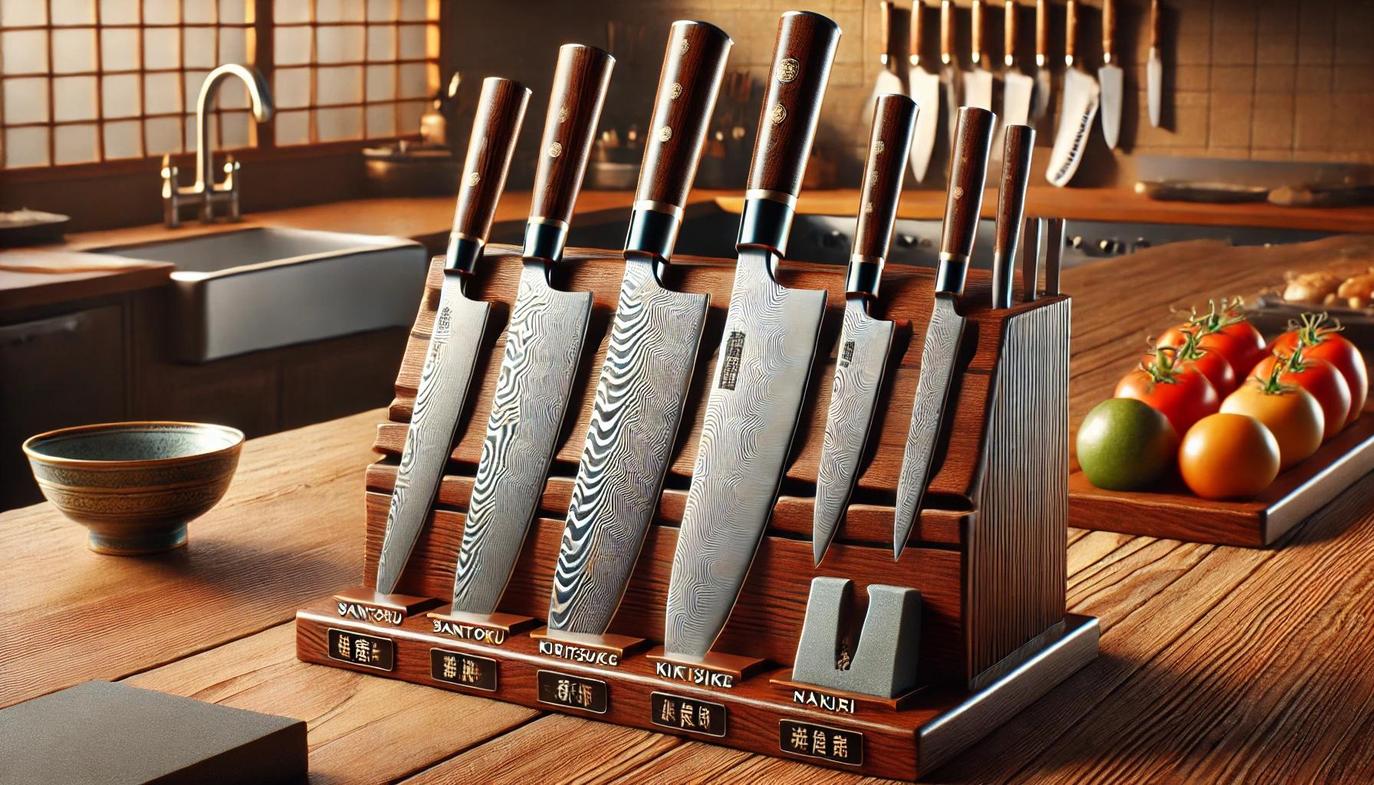
The variety of chef knives available in the market may surprise many. While Santoku and Kiritsuke knives are widely recognized, numerous single-purpose knives significantly outnumber all-purpose ones, and this is rooted in the practice of Japanese cooking. Precision plays a vital role in preparing different types of ingredients.
Each type of fish possesses a unique bone structure and size, necessitating specific preparation techniques. Hence, the appropriate Japanese knife can vary for each type of fish. This variability ensures that ingredients are treated with the utmost care. Mastering Japanese knife skills focuses on preserving the natural flavors and textures inherent in each ingredient.
Understanding the diverse functionality of Japanese knives is essential for home cooks and professionals alike. High-quality Japanese knives, available from brands like Kyoku, cater to various culinary needs. Whether selecting a versatile Santoku knife, a specialized Nakiri knife, or a precision-oriented Kiritsuke knife, users can find the ideal blade to enhance their cooking experience.

Essential Techniques for Japanese Cooking
The five fundamental cooking methods, known as goho, encompass Nama, Niru, Yaku, Musu, and Ageru. Among these methods, Nama, which refers to cutting, holds particular significance. Precise cuts are crucial when preparing dishes like sushi and sashimi. This precision helps preserve the quality and appearance of the ingredients.
Nama (Cutting)
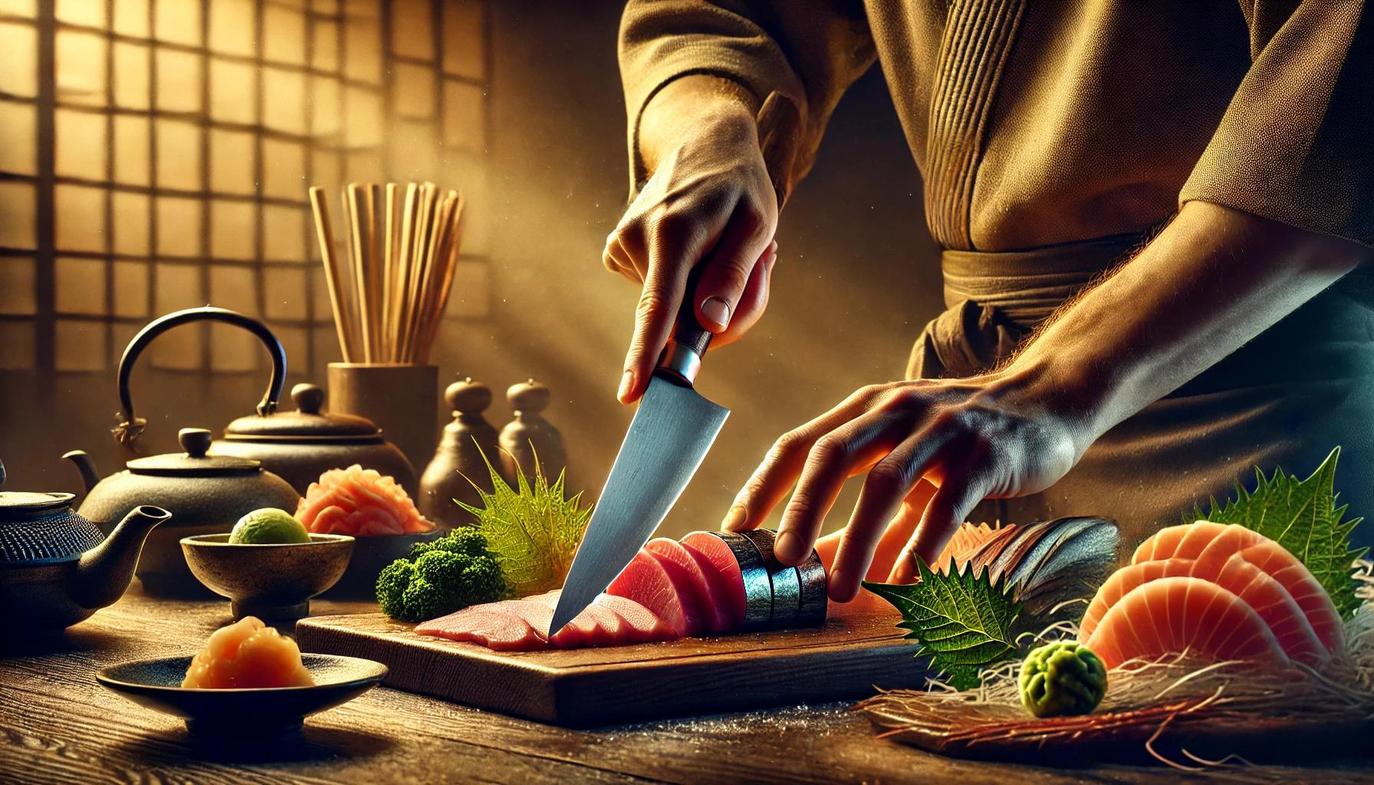
This technique is vital in Japanese cuisine as it focuses on preparing raw ingredients, such as sashimi. Skillful knife control is essential for this process. Chefs must cut ingredients into decorative shapes that highlight seasonal elements and enhance the visual presentation of dishes.
Niru (Simmering)
This cooking method involves submerging ingredients in dashi, water, or flavored liquids. Applying heat softens the ingredients and enhances their taste. Simmering is a fundamental technique in many Japanese dishes.
Yaku (Grilling)
Grilling entails cooking ingredients by direct exposure to an open flame or indirect heating with oil in a pot or frying pan. This method, often performed over charcoal, adds a distinctive smoky flavor to seafood and vegetables, enhancing their overall taste.
Musu (Steaming)
Steaming is another vital technique in Japanese cooking. Steam heats ingredients inside a pot, preserving their natural flavor and texture. This method keeps the dish light and healthy, making it a popular choice in various Japanese recipes.
Ageru (Deep-frying)
Deep-frying involves immersing ingredients in hot oil or fat, reaching temperatures between 140°C and 210°C. This method allows for quick cooking without sacrificing flavor. Ageru is essential for achieving crispy textures and rich tastes in many traditional dishes.

The Five Principles of Japanese Cuisine
Japanese cuisine is built upon five fundamental principles. These include the five tastes (gomi), five senses (gokan), five colors (goshiki), five cooking methods (goho), and five key ingredients (sa, shi, su, se, so).
Gomi (The Five Tastes)
The five tastes consist of sweet, sour, salty, bitter, and umami. Each taste contributes significantly to the overall flavor profile of a dish, ensuring a balanced and enjoyable dining experience.
Gokan (The Five Senses)
The five senses encompass sight, sound, smell, touch, and taste. Each sense plays a crucial role in the dining experience. The presentation of food, aroma, and texture all impact how a dish is perceived and enjoyed.
Goshiki (The Five Colors)
The five colors include white, yellow, red, green, and black. Incorporating these colors into dishes enhances their visual appeal, making them more inviting and aesthetically pleasing to the diner.
Goho (The Five Cooking Methods)
The five cooking methods include Nama (cutting), Niru (simmering), Yaku (grilling), Musu (steaming), and Ageru (deep-frying). Each method serves a specific purpose in preparing ingredients, highlighting their unique flavors and textures.
Sa, Shi, Su, Se, So (The Five Seasonings)
The five seasonings consist of sugar (satō), salt (shio), vinegar (su), soy sauce (shōyu/seuyu), and miso. These seasonings enhance the overall flavor of dishes, ensuring that each ingredient shines in its preparation.
Japanese Cooking Principles and Knife Skills for Culinary Excellence
Understanding these principles enriches the cooking experience. Each aspect plays a vital role in creating the final dish, influencing everything from flavor balance to visual presentation and cooking technique. High-quality knives are essential tools in achieving these culinary principles effectively.
Selecting the Right Japanese Knife for Your Culinary Needs
Choosing the right Japanese knife is essential for any cook looking to elevate their culinary skills. Each knife serves a unique purpose, and understanding these distinctions can greatly improve your cooking experience. Essential factors to consider include the type of knife, its intended use, and the specific ingredients you will prepare. For instance, a Santoku knife is versatile and suited for a variety of chopping tasks, while a Nakiri knife excels in precisely slicing vegetables, and a boning knife is ideal for efficiently preparing meat.
When selecting a knife, focus on craftsmanship, balance, and comfort. High-quality materials, such as high-carbon steel, are not only durable but also allow for sharper edges that facilitate clean cuts. A well-balanced knife reduces fatigue during prolonged use and ensures that you maintain control while cutting. It is also important to consider the grip; a comfortable handle helps you achieve better precision and technique.
In addition to choosing the right type of knife, proper maintenance is crucial. Regular sharpening and correct storage will extend the life of your knives and ensure they perform optimally. Educating yourself on care routines, such as honing and cleaning, can prevent damage and keep your blades in top condition.
Investing time and thought into selecting and maintaining your Japanese knives can significantly enhance your cooking skills. Embrace the opportunity to explore various styles and techniques, as this knowledge will empower you to create exquisite dishes with confidence and ease. With the right tools and understanding, every meal preparation can become a more enjoyable and rewarding experience.

