
For many individuals living with PTSD, traditional treatments like medication and therapy do not provide adequate relief, leading to a frustrating cycle of hope and disappointment. This is particularly true for those with treatment-resistant forms of the disorder, where conventional approaches have proven ineffective.
Ketamine therapy represents a significant departure from conventional PTSD treatments. Unlike medications that can take weeks to show potential efficacy, ketamine operates on a different neurobiological pathway, offering a novel mechanism of action for patients who have not responded to other therapies.
This article will explore the science behind its rapid effects and explain the process of neuroplasticity that allows for profound healing. For those who have felt left behind by conventional approaches, understanding this new treatment may be a first step toward genuine recovery.
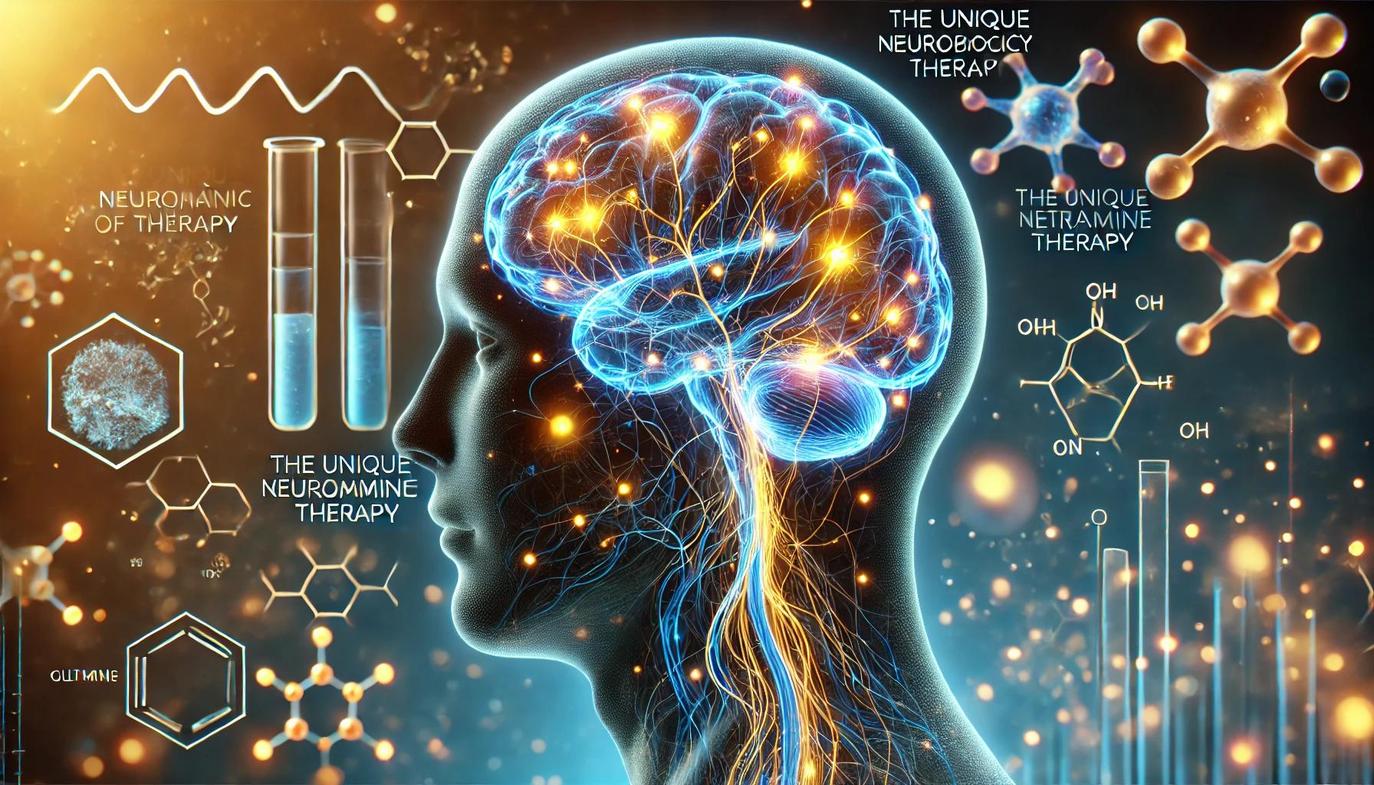
The Unique Neurobiology of Ketamine Therapy
Most conventional PTSD treatments aim to modulate neurotransmitter systems, such as serotonin. Ketamine distinguishes itself by targeting a different system entirely: the glutamate pathway, which plays a critical role in neuroplasticity and synaptic function.
Your Brain on Trauma vs. Your Brain on Ketamine
Trauma literally rewires the brain in harmful ways. The stress response gets stuck in overdrive, creating rigid thought patterns that keep people trapped in cycles of fear and hypervigilance.
While traditional medications attempt to regulate neurotransmitter levels, this approach is often limited to managing symptoms rather than correcting the underlying neural changes caused by trauma.
Ketamine therapy for PTSD works like a master electrician rewiring a house. It blocks specific receptors called NMDA receptors, which trigger a cascade of healing processes. This blockade increases glutamate release, which then activates other receptors and kicks off a chain reaction of brain repair.
The most exciting part happens next. The brain starts growing new connections at a rapid pace. Old, harmful pathways that kept trauma responses active begin to weaken while healthier neural networks form. This process, called neuroplasticity, gives people the chance to literally think their way out of PTSD.
Speed Matters When You’re Suffering
The revolutionary aspect of ketamine infusion therapy for PTSD is its rapid onset of action, with patients often reporting changes within hours of their first treatment.
Traditional PTSD medications follow this frustrating timeline:
- Weeks 1-2: Side effects without benefits
- Weeks 4-6: Maybe some subtle changes
- Weeks 8-12: Hopefully noticeable improvement
- Months 3-6: Still adjusting doses and switching medications
Ketamine operates on an entirely different and accelerated timeline. People often notice changes within hours of their first treatment. That’s not weeks or months – that’s the same day. For someone who has been suffering for years, this speed can feel miraculous.
The rapid response happens because ketamine doesn’t wait around for slow chemical changes. It immediately starts promoting brain plasticity and strengthening weakened synapses. While other treatments gradually influence brain chemistry in potentially beneficial directions, ketamine immediately initiates the process of rebuilding damaged neural architecture.
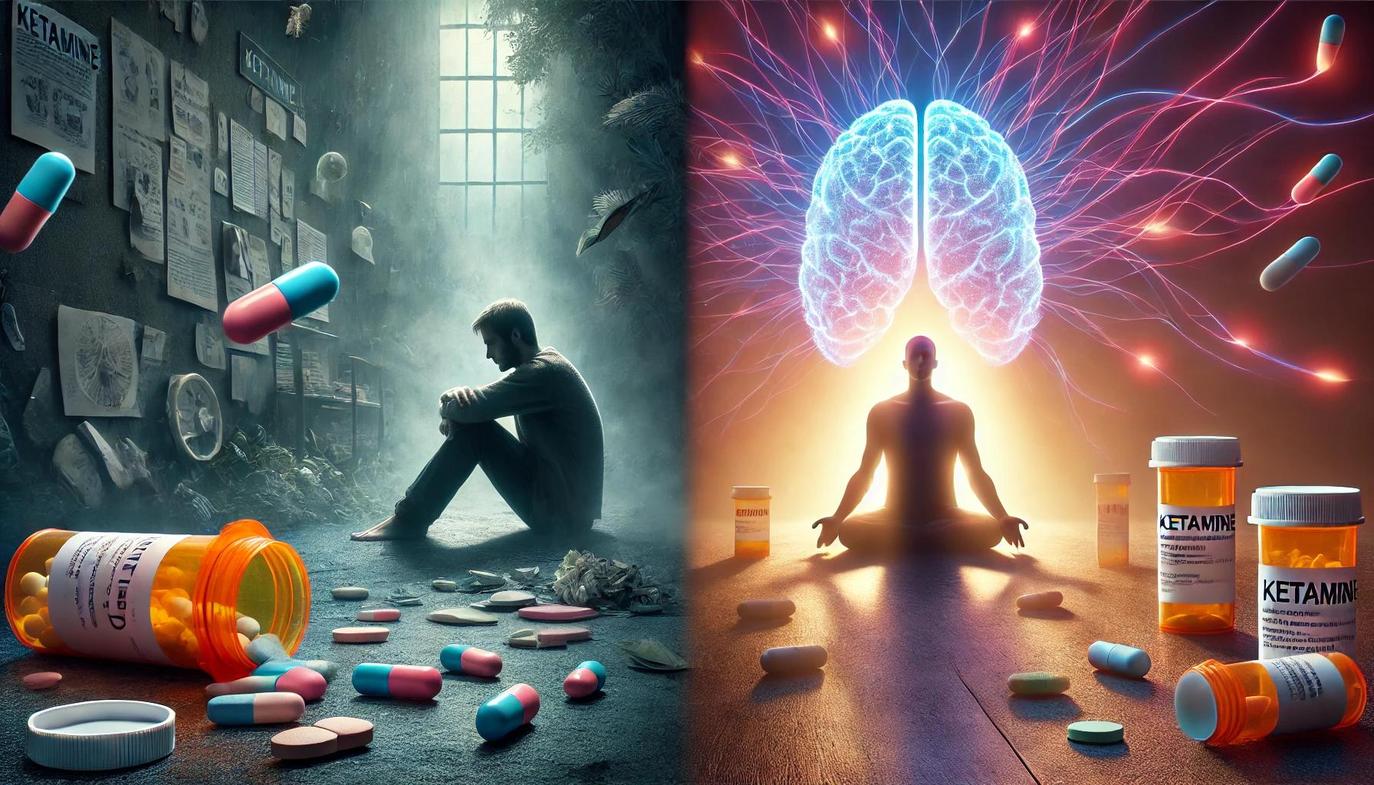
Overcoming the Limitations of Traditional PTSD Treatment
Approximately one-third of individuals with PTSD have what is considered a treatment-resistant form of the disorder, having not responded to multiple medications, various psychotherapies, or even more intensive procedures. When nothing works, the feeling of being permanently broken can be overwhelming.
Why Traditional Approaches Hit a Wall
Standard PTSD treatments have some fundamental limitations that become obvious when you understand how trauma affects the brain:
The Symptom-Focused Problem:
- SSRIs and other medications mainly mask symptoms
- They don’t address the underlying brain changes caused by trauma
- Patients often need to stay on medication indefinitely
- Side effects can be as challenging as the original symptoms
The Therapy Catch-22:
- Cognitive therapy requires a flexible, adaptable brain
- PTSD makes the brain rigid and stuck in trauma patterns
- Patients often can’t fully engage with therapeutic techniques
- Progress stalls because the brain isn’t ready to change
Ketamine-assisted therapy for PTSD solves these problems by preparing the brain for healing. It creates what researchers call a “window of opportunity” where the mind becomes more flexible and open to change.
The Neuroplasticity Breakthrough
Think of neuroplasticity as the brain’s ability to remodel itself. In healthy brains, this happens naturally throughout life, but trauma damages this flexibility, leaving people stuck with dysfunctional neural patterns.
Ketamine temporarily supercharges this process. During treatment and for weeks afterward, the brain becomes exceptionally adept at forming new connections and breaking old, harmful ones. This enhanced plasticity period is what allows other treatments, like therapy, to become significantly more effective.
The process involves complex biological mechanisms, but the result is simple: the brain regains its natural ability to adapt and heal. People discover themselves responding to stress in healthier ways and breaking free from automatic trauma responses.

The Patient Experience and Clinical Outcomes
The clinical evidence for ketamine therapy for PTSD continues to grow. The real proof, however, lies in the transformed lives of those who have undergone the treatment. Reported outcomes frequently include profound life changes, such as re-engaging socially, reconnecting with family, and discovering a renewed capacity for healing.
What Actually Happens During Treatment
Ketamine treatment takes place in specialized medical clinics with trained staff and monitoring equipment. The process is surprisingly peaceful and straightforward.
A typical session includes:
- IV placement and vital sign monitoring
- Low-dose ketamine infusion (about 40 minutes)
- Relaxation with eye masks and calming music
- Post-treatment observation period
- Gradual return to normal awareness
Many people experience mild dissociation during treatment. This is often described as a peaceful feeling of being disconnected from one’s usual thoughts and surroundings. Some report profound experiences that help them process traumatic memories from new perspectives.
The medical supervision ensures safety while allowing patients to have potentially healing experiences. Blood pressure and heart rate increase slightly during treatment, but serious side effects are rare in clinical settings.
Beyond Symptom Relief
The benefits of ketamine extend beyond symptom reduction to fundamentally alter a patient’s relationship with their trauma. Instead of being controlled by memories and triggers, patients develop a new sense of perspective and control.
Common improvements include:
- Better sleep without nightmares
- Reduced hypervigilance and anxiety
- Improved relationships and emotional connection
- Greater ability to be present in daily life
- Decreased avoidance behaviors
These changes often persist long after the acute effects of ketamine wear off. The enhanced neuroplasticity created during treatment continues to benefit patients as they develop healthier thought patterns and coping strategies.
Safety and What to Expect
Ketamine-assisted therapy for PTSD requires medical supervision, but the safety profile is well-established when treatment occurs in appropriate clinical settings. The therapeutic doses used are much lower than anesthetic doses, minimizing risks while maintaining effectiveness.
Side effects are typically mild and temporary:
- Mild dissociation during treatment
- Slight increases in blood pressure and heart rate
- Occasional nausea or dizziness
- Drowsiness immediately after treatment
Serious adverse events are extremely rare. The FDA’s approval of ketamine nasal spray offers an additional option for administration in outpatient settings under medical supervision.

A New Era of Hope for Treatment-Resistant PTSD
Ketamine therapy marks a pivotal shift in mental healthcare, moving beyond mere symptom management to address the underlying neurobiological roots of trauma. By promoting rapid neuroplasticity, it offers a mechanism for genuine healing, particularly for individuals who have found no relief in traditional treatments. This innovative approach provides a tangible sense of hope, demonstrating that recovery is possible even when other methods have failed to break the cycles of fear and hypervigilance.
The rapid and profound effects of ketamine create a critical window of opportunity, allowing the brain to forge new, healthier neural pathways. This process not only alleviates the debilitating symptoms of PTSD but also empowers individuals to fundamentally change their relationship with past trauma. For those who have felt stuck, ketamine represents more than just a new medication; it is a breakthrough that paves the way for lasting change and a renewed sense of control over one’s life.
Answering Key Questions About Ketamine Therapy
Is the ketamine experience frightening?
Most patients describe the experience of mild dissociation during treatment as peaceful, insightful, or dreamlike, not frightening. The process occurs in a controlled clinical setting with medical supervision to ensure patient comfort and safety.
How long do the benefits of ketamine therapy for PTSD last?
The immediate benefits manifest within hours, while the brain’s enhanced neuroplasticity sustains the long-term effects. This “window of opportunity” enables patients to develop healthier thought patterns, frequently aided by integrated therapy, resulting in enduring changes that continue long beyond the conclusion of treatment sessions.
Is ketamine therapy a cure for PTSD?
Ketamine is not considered a “cure” but rather a powerful tool that facilitates healing. It works by creating the neurobiological conditions necessary for the brain to repair itself and respond more effectively to therapy. The goal is lasting remission and improved quality of life, not just temporary symptom relief.


