
Epigenetics describes the layer of chemical control that governs how genes are read and expressed without altering the DNA sequence itself. This dynamic system involves tags, such as DNA methylation, that effectively tune genes up or down. For researchers and clinicians, the core challenge has always been control: identifying the upstream mechanism that determines the precise location (the molecular address) where these powerful epigenetic tags are written onto the genome.
New research in plants, as reported in the 2025 Nature Cell Biology article, now offers a definitive answer: transcription factors can directly instruct the placement of DNA methylation. The concept is supported by a Salk Institute research brief, which explains how sequence-specific factors appear to aim the machinery that writes methylation during reproduction.
This discovery fundamentally reframes epigenetics from a passive consequence of cellular events into a targeted, programmable system. These precise placement mechanisms move beyond academic theory; they already serve as the foundation for real-world applications. Methylation patterns serve as powerful biomarkers in clinical diagnostics, including those focused on early cancer detection.
This article explores the full upstream hierarchy that directs these marks, starting with transcription factors, integrating cellular metabolism, and leveraging the intricate 3D architecture of the genome, to understand who truly controls the master switches of gene expression.
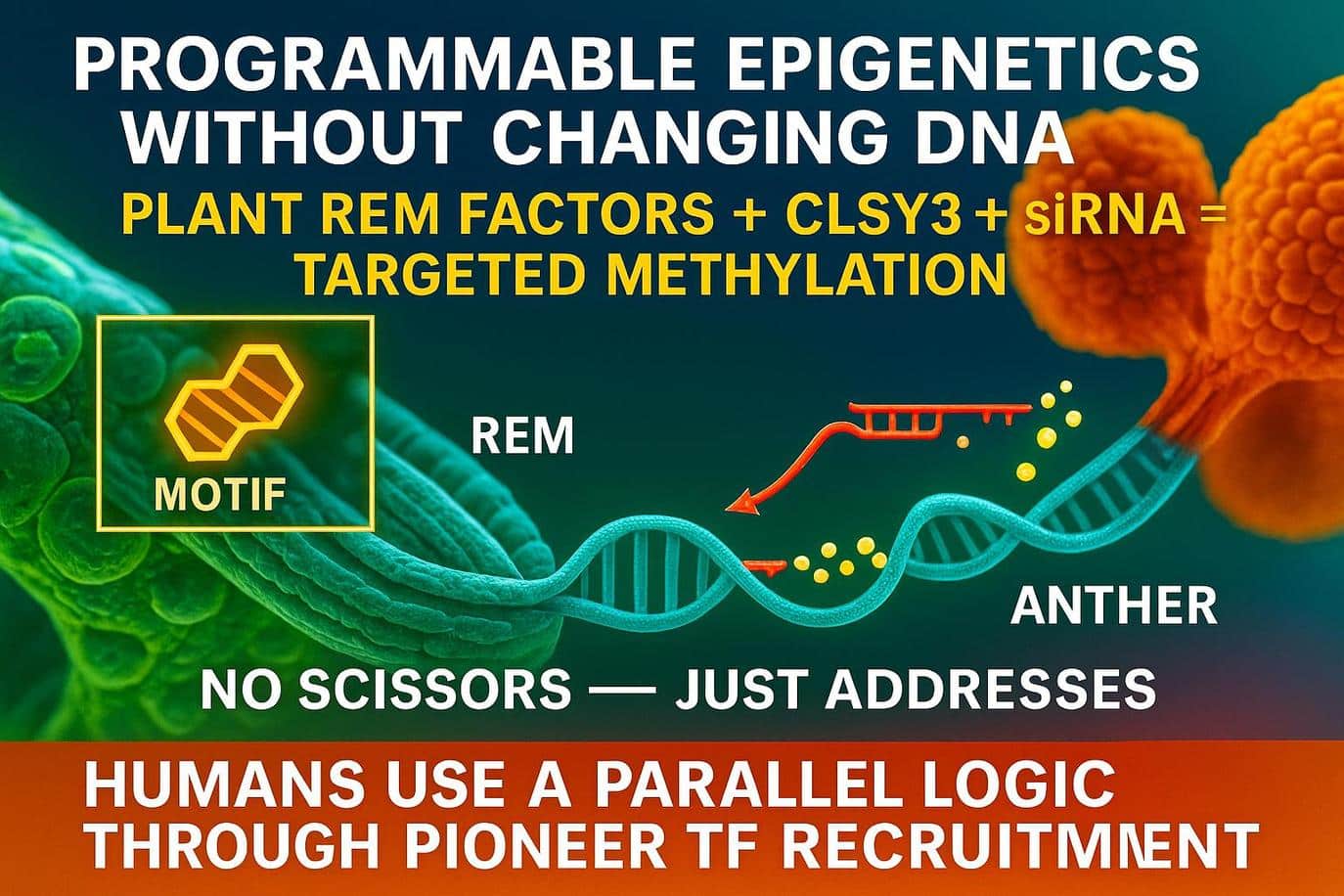
Core Concepts: Epigenetic Control and Diagnostics
Epigenome control is a highly layered process, establishing a sophisticated hierarchy that regulates gene expression. To understand the article’s core arguments about DNA methylation and gene control, keep these key facts in mind:
- The Big Idea: Epigenetic marks are not random but are guided by an upstream stack that begins with transcription factors and then integrates metabolism, 3D genome layout, and RNA cues.
- Plant Proof of Principle: In reproductive tissues, specific REM transcription factors determine where methylation lands by directly guiding the RdDM pathway.
- Human Relevance with Guardrails: In animals, pioneer transcription factors open chromatin and help recruit epigenetic enzymes, but direct instructive placement still requires careful testing according to recent reviews.
- Diagnostic Power: Methylation is the foundation for current blood tests that read disease signals through changes in DNA chemistry.
- Key Caveat: The instructive mechanism is demonstrated in plants; parallels to mammals remain promising hypotheses, not yet established clinical facts.
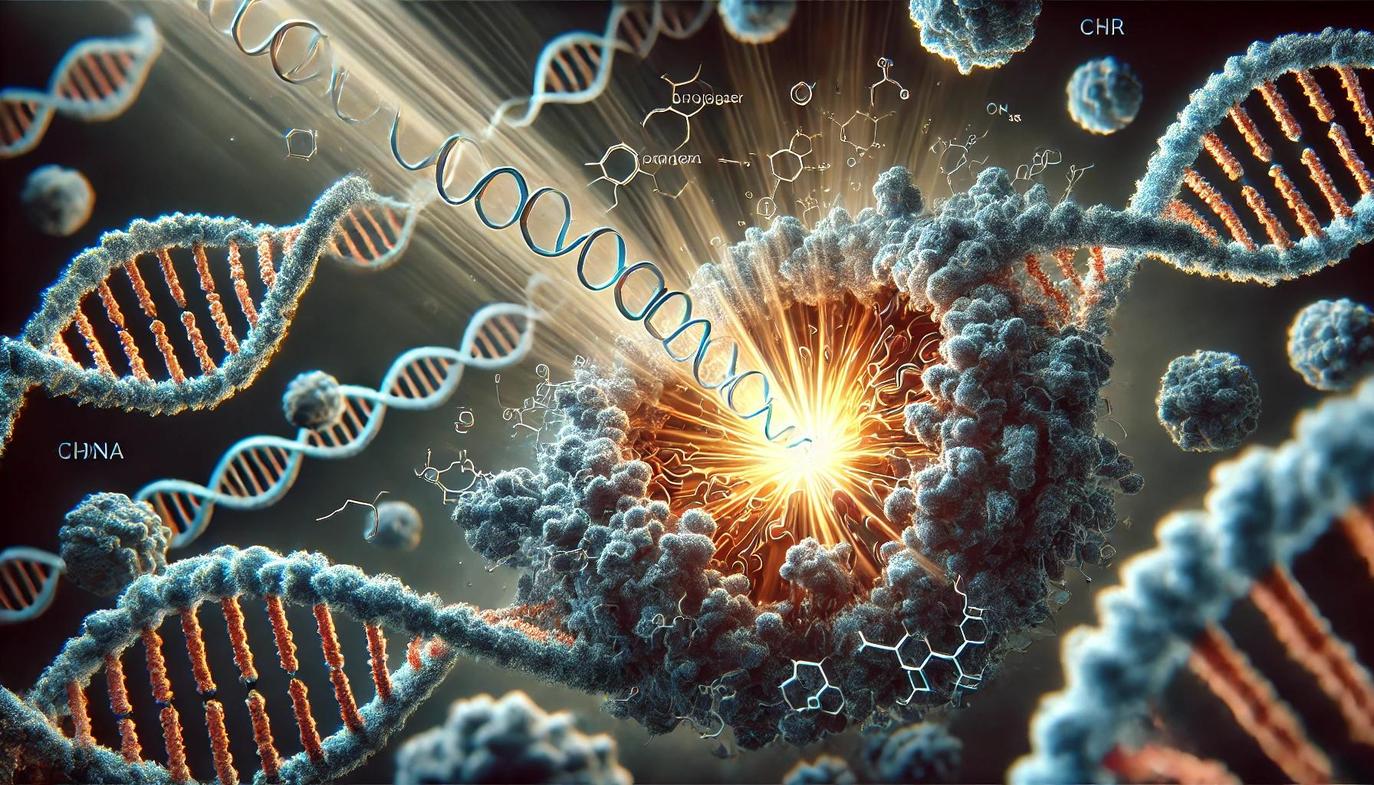
The Epigenetic Address System: Pioneer Transcription Factors Open Closed DNA
The Pre-Condition: Chromatin Accessibility
Some transcription factors are “pioneers,” defined by their ability to bind DNA even when it is wrapped around nucleosomes. These factors open previously silent regions, allowing other components to access the sequence. This chromatin opening constitutes the initial step toward any stable epigenetic change, as summarized in a comprehensive review of pioneer factors and epigenetic change.
From Access to Action: Recruiting Writers and Erasers
Once DNA is accessible, proteins that write or erase marks are recruited. For methylation on DNA, writers include de novo writers and demethylases. For histones, this involves acetyltransferases and deacetylases. New methods show pioneers can interact with nucleosomes directly, clarifying how recruitment can happen at hard‑to‑reach sites using Pioneer‑seq.
Why this Reframes Epigenetics as Upstream
When factors decide where to open chromatin and whom to recruit, epigenetics transitions from a passive consequence to a targeted program. This targeted framing helps explain why methylation patterns in blood can reflect disease states so early, since placement logic encodes a high‑density signal compared with rare mutations, as seen in early studies on multi-cancer methylation screens.

Plant Blueprints and Mammalian Epigenetics
What the new Study Shows in Plain Language
In Arabidopsis reproductive organs, researchers found that a set of REPRODUCTIVE MERISTEM (REM) transcription factors directs the placement of methylation at specific loci. Disrupting the DNA‑binding regions, or the motifs recognized by the factors, blocks RNA‑directed DNA methylation. Forcing the factor RIM12 to appear in the wrong tissue triggers small RNAs at new targets. This experiment proves that sequence cues can aim methylation, as demonstrated in the experimental Nature Cell Biology findings.
How RdDM and CLSY3 Target Methylation in Plants
Plants use a pathway called RNA‑directed DNA methylation (RdDM). This mechanism relies on small RNAs and two plant‑specific RNA polymerases, Pol IV and Pol V. The CLSY family helps position this machinery so that ovules and anthers end up with different methylation maps, as shown in CLSY‑driven tissue specificity research.
Mammalian Parallels and Key Differences
Mammals do not have Pol IV or Pol V, meaning the exact route differs. Even so, strong support exists for pioneers opening chromatin and recruiting enzymes that change DNA and histone marks. This mechanism would create a parallel form of “addressing” rather than a carbon copy of RdDM, as summarized by open-access reviews discussing mammalian parallels.
Cautious Translation to Mammalian Systems
Translating a plant mechanism to people requires careful methodological validation. The Salk team’s own summary emphasizes the plant context and the need for mammalian tests before drawing medical conclusions, which protects readers from overreach while keeping the scientific excitement intact.
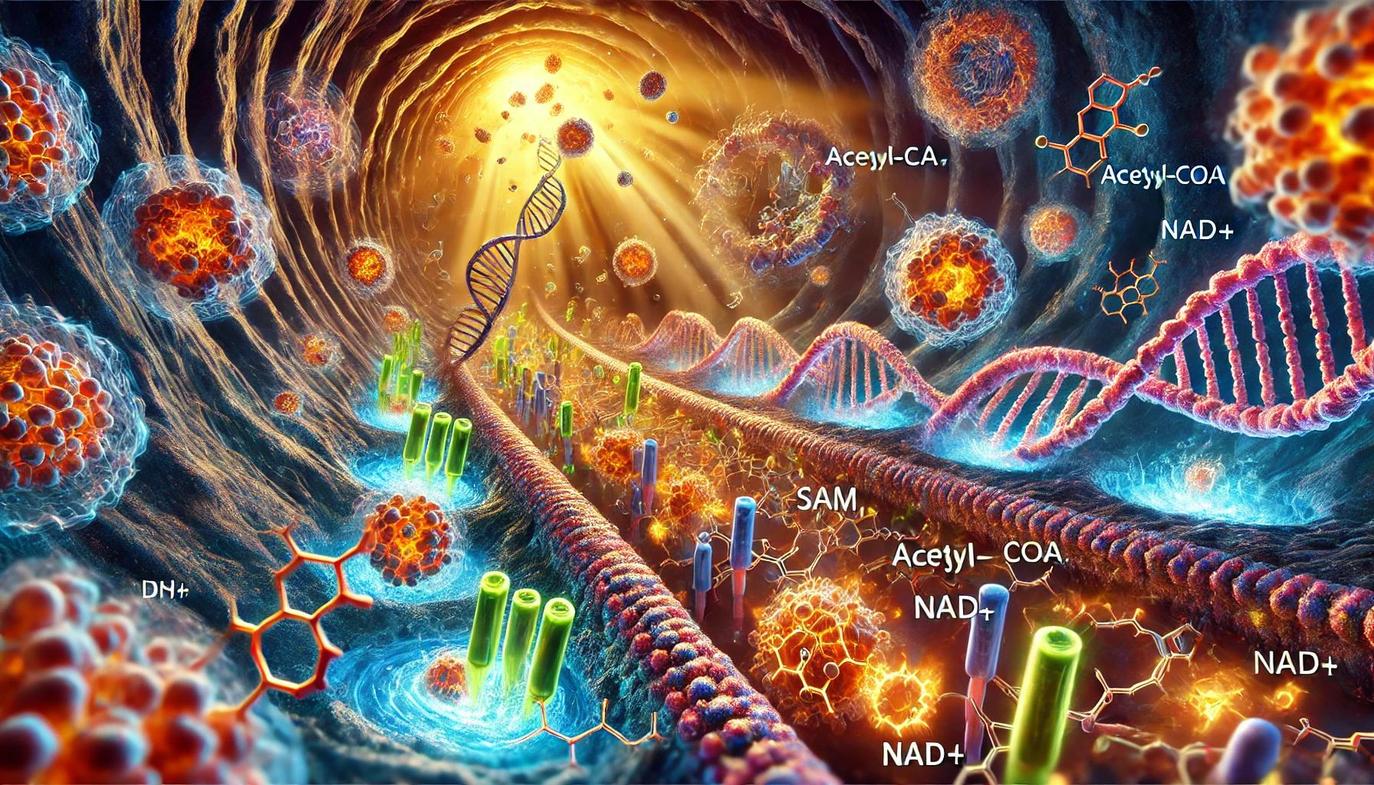
Metabolism: Fueling the Epigenetic Writing Machinery
The Core Cofactors that Control Enzyme Activity
Epigenetic enzymes are fueled by cellular chemistry. S‑adenosylmethionine (SAM) donates methyl groups to writers, acetyl‑CoA fuels histone acetylation, NAD+ acts as a cofactor for deacetylases, and alpha‑ketoglutarate with oxygen enables TET and dioxygenase‑driven demethylation.
Changes in these molecules can shift mark placement across the genome, as outlined in a 2025 review of metabolism–epigenome coupling.
Oxygen and Vitamin C as Practical Examples
TET enzymes require oxygen and a reduced iron cofactor for their activity. Vitamin C helps keep the iron in the right state in cells, which is why culture studies often add it when probing demethylation. The process can be thought of as tuning the reaction conditions, not rewriting genes, as outlined in an open‑access overview of vitamin C and epigenetics.
A Responsible Frame for Everyday Questions
The inputs for epigenetic enzymes are affected by nutrition and metabolism, though outcomes depend on tissue, timing, and dose. While supporting NAD+ can influence cellular repair research without promising cure‑alls, this framing is useful for keeping expectations grounded while following the science, as seen in an overview of NAD+ research.
Programmable Epigenetics Without Changing DNA
An Addressing System that Uses Motifs and Small RNAs
Plants provide a clear example of programmable targeting in which DNA motifs and small RNAs steer where methylation lands.
The RNA‑directed DNA methylation (RdDM) pathway relies on plant‑specific polymerases and short RNAs to bring the writing machinery to precise coordinates. This explains why the same genome can carry different maps in different tissues in a structural primer on Pol V.
How CLSY and REM Factors Aim the Machinery
Tissue‑restricted members of the CLSY family help position RdDM so that ovules and anthers receive different methylation patterns, and the new study shows REM transcription factors provide the sequence cues that make this positioning possible.
Distinct from Gene Editing, Yet Potently Specific
The form of control discussed does not alter the DNA sequence but changes the chemical marks that regulate how genes are read. Small RNAs generated by Pol IV can guide methylation to complementary targets, making the system precise without cutting the genome, in a Royal Society review of Pol IV‑derived siRNAs.
Why Programmability Matters for Sustainable Ag‑Tech
Marks can be aimed without rewriting genes. This means epigenetic tuning may help breeders test stress-tolerant traits or stabilize useful expression states in crops. The promise of this technology still sits in the research domain. The plant-specific enzymes mean translation to animals must follow a different route, but the targeting logic is what carries forward.

The 3D Genome Layout: LncRNAs and Topological Control
Loops and Boundaries Gate Communication
Genes respond to enhancers that are physically close in 3D space.
Architectural proteins such as CTCF and cohesin help create loops and domain boundaries that decide which enhancers can reach which promoters. As a result, spatial layout becomes a precondition for stable epigenetic states, as shown in a 2025 analysis of acute CTCF/cohesin depletion.
What Happens when the Scaffolding is Removed?
When researchers acutely remove either protein in mammalian cells, hundreds of genes change expression, particularly those dependent on enhancer activity. This effect strengthens the idea that topology sets the stage on which marks are written and maintained, rather than marks acting in isolation.
Long Noncoding RNAs as Guides
Some lncRNAs recruit Polycomb complexes to large chromosomal domains. This action shapes silent territories that persist across cell divisions. Comparative experiments with Airn and Xist show how these RNAs can assemble Polycomb at megabase scales even when expressed from an ectopic site in a 2025 PubMed‑indexed study.
A Systems View that Complements TF Targeting
The simplest way to visualize this is as a hierarchy. Transcription factors decide where to open and aim, 3D architecture decides who can talk to whom, and lncRNAs help lock in the results. This three‑part logic keeps the article’s focus on upstream control rather than on the marks themselves, with broader context from a 2023 lncRNA review.
Translating Epigenetic Science for Human Relevance
What the Evidence Firmly Shows Today
Direct TF‑instructed methylation is now demonstrated in plants where REM factors provide sequence addresses for RdDM. In humans and other animals, the closest parallel is the way pioneer transcription factors open chromatin and help recruit enzymes that write or erase marks, which is a related but not identical mechanism.
Sensible Next Experiments
Priority tests include mapping whether specific mammalian TF motifs correlate with local gains in de novo methylation during development and probing how topology changes influence where writers can operate. Results from the plant study make those experiments more focused by providing a concrete template for instructive logic.
Applying Scientific Findings with Caution
Metabolism and environment can nudge the inputs that epigenetic enzymes depend on, but effects are context‑specific and should not be over‑interpreted from single studies. Pre‑conception nutrition is a practical example, which researchers link to long‑term outcomes through epigenetic pathways in parents and offspring, as discussed in an overview on nutrition and epigenetic pathways.
Where Clinical Signals Already Matter
Independent of the plant mechanism, clinicians already read methylation patterns in blood to find disease signals. These assays can be thought of as decoders of existing placement rules rather than tools that rewrite them. This is why early screening stories often emphasize methylation over rare mutations, as noted in a report on methylation-based cancer blood tests.
Decoding Signals with Liquid Biopsies
Previous research on advanced liquid biopsies using methylation illustrates how classifiers can detect tissue‑of‑origin signals from chemical patterns on DNA rather than from mutations.
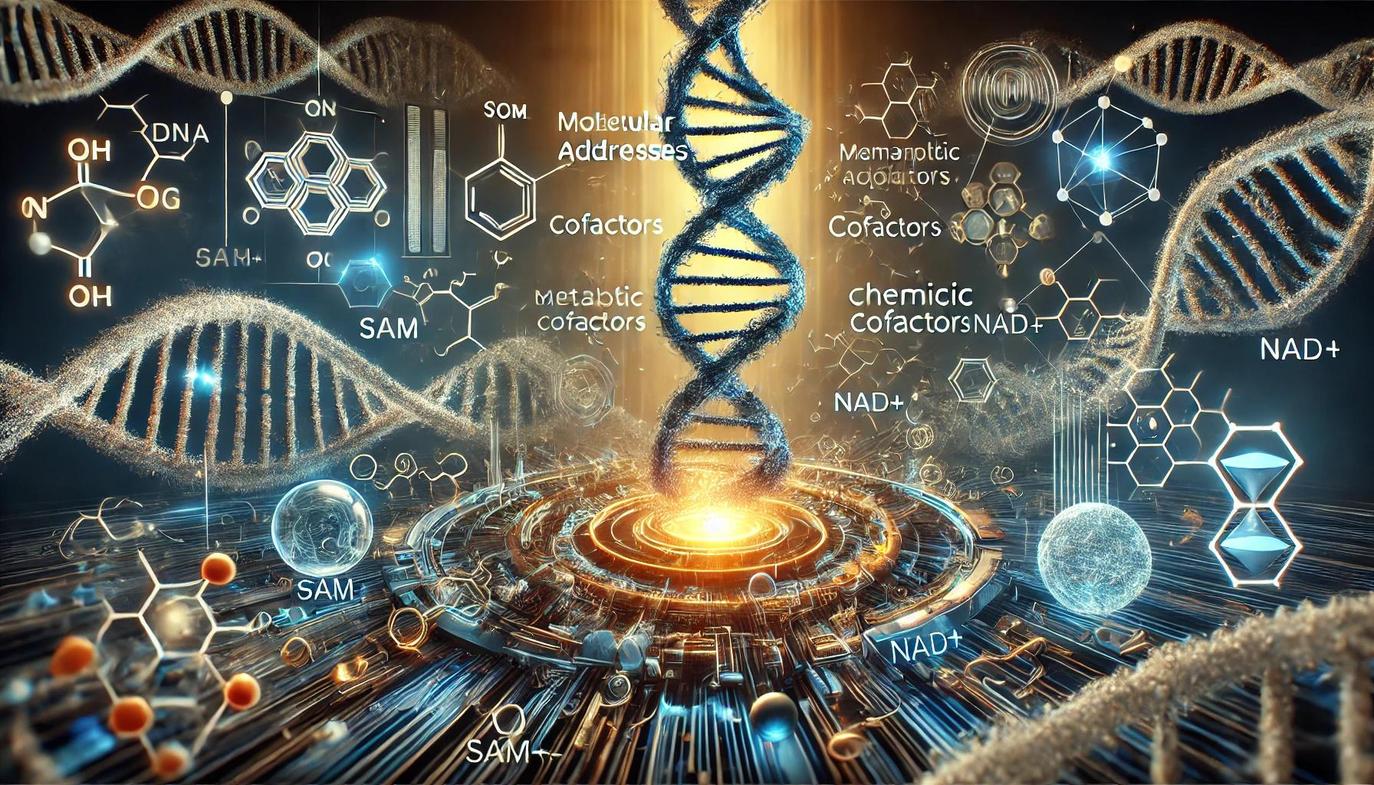
Unifying Epigenetic Control: From Molecular Addresses to 3D Layout
The long-held mystery of who directs the epigenetic writing machinery is beginning to yield its answers, revealing a tightly orchestrated hierarchy rather than a random process. This cascade starts with transcription factors providing the precise address, a principle recently demonstrated in plant systems, showing that sequence cues can indeed instruct DNA methylation placement as detailed in the Nature Cell Biology journal. This targeting logic is then integrated with cellular resources, as metabolism dictates the cofactor availability for writing and erasing enzymes, while the 3D genome architecture (regulated by factors like CTCF) determines the permissible paths of communication across the genome.
The focus must shift from simply cataloging chemical marks to understanding this upstream control system. While the direct translation of plant mechanisms requires cautious mammalian testing, the conceptual framework is what truly carries forward. By treating epigenetics as a programmable system of control, one that can be ‘decoded’ using existing methylation patterns in blood for early diagnostics, researchers are positioned to develop much more sophisticated, targeted approaches to health and agriculture that rely on tuning, rather than cutting, the genome.
Frequently Asked Questions on Epigenetic Targeting
1. Do Transcription Factors Directly Place DNA Methylation in Humans?
The process is clearly demonstrated in plants via RdDM. In humans, pioneer factors open chromatin and recruit enzymes, which is a related mechanism but not yet confirmed as direct, instructive placement.
2. How does 3D Genome Topology Affect Epigenetic Marks?
Genome topology, controlled by proteins like CTCF, creates loops and boundaries that physically determine which enhancers can communicate with which genes, setting the stage for marks to stabilize.
3. Can Specific Nutrients Influence Epigenetic Enzymes?
Yes. Nutrients influence cofactors that enzymes require. For example, Vitamin C helps maintain the iron state needed by TET enzymes to remove methylation, acting as a critical biochemical input.
4. Is Epigenetic Targeting Equivalent to CRISPR Gene Editing?
No. Epigenetic targeting modifies the chemical marks that regulate gene reading, leaving the underlying DNA sequence intact, unlike gene editing, which alters the letters of the DNA itself.
5. What is the Core Logic of Programmable Epigenetic Control?
The core logic is hierarchical: Transcription Factors decide the address, Metabolism provides the chemical resources, and 3D Architecture ensures only permissible interactions occur.


